
Your cart is currently empty!
DoorDash Robot Crashes Active SWAT Operation After Ignoring Police Orders
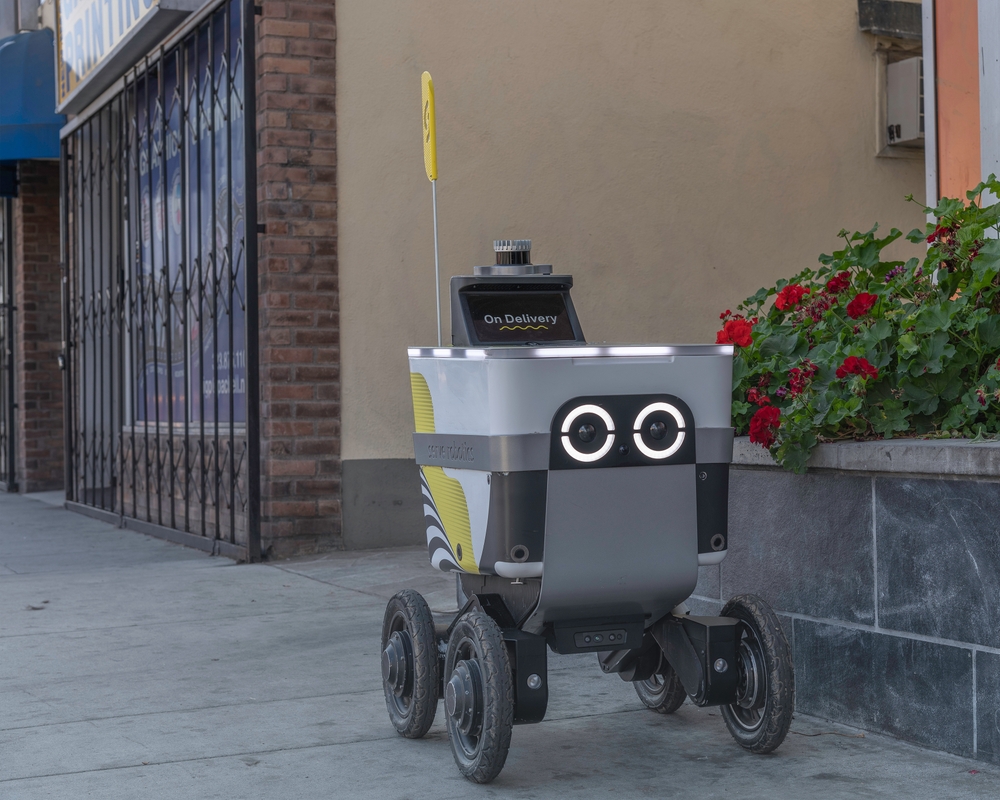
A food delivery is usually the most ordinary part of someone’s day. A few taps on an app, a short wait, and a meal arrives at the front door. That familiar routine took a bizarre turn in Chandler, Arizona, when a small autonomous DoorDash robot rolled directly into the middle of an active SWAT operation. As armed officers worked to secure a potentially dangerous scene, the machine calmly continued along its route, apparently unaware that it had wandered into one of the last places any delivery should end up. The surreal encounter quickly caught the attention of viewers online, with many comparing it to a scene from a science fiction comedy rather than a real police incident.
Contents
show
What made the situation even stranger was the robot’s complete lack of concern. Human delivery drivers would naturally stop, ask questions, or avoid a street filled with police vehicles and tactical officers. This robot had no such instincts. It simply followed the path its software believed was correct, creating an awkward standoff between cutting-edge automation and an active law enforcement operation. Although the incident ended peacefully, it also offered an unexpectedly funny glimpse into one of the biggest challenges facing autonomous technology: knowing when the real world doesn’t match the map.
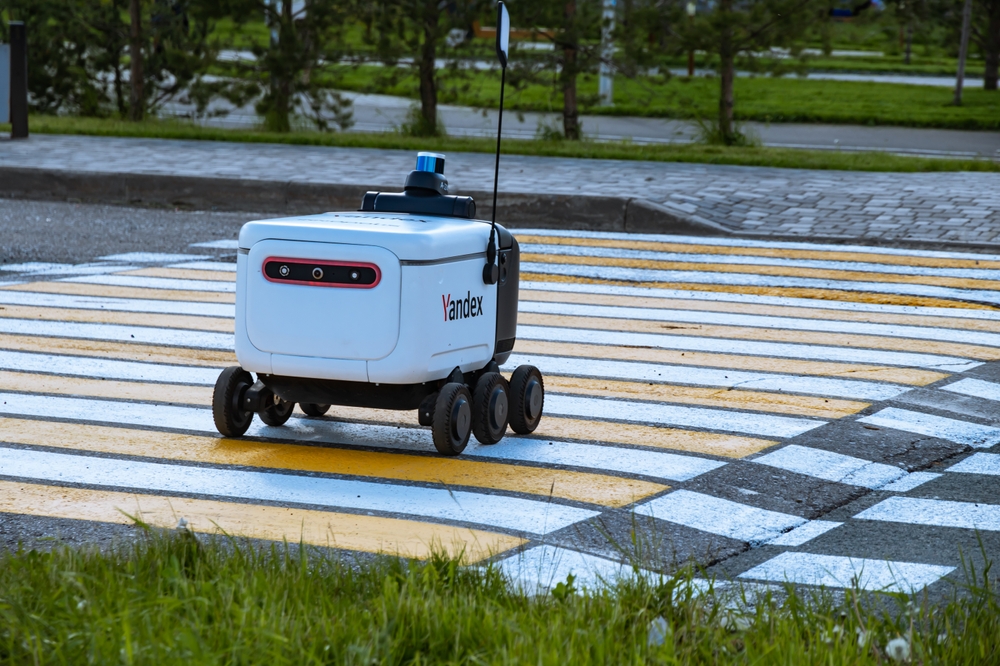
An Ordinary Delivery Route Ended at a Police Perimeter
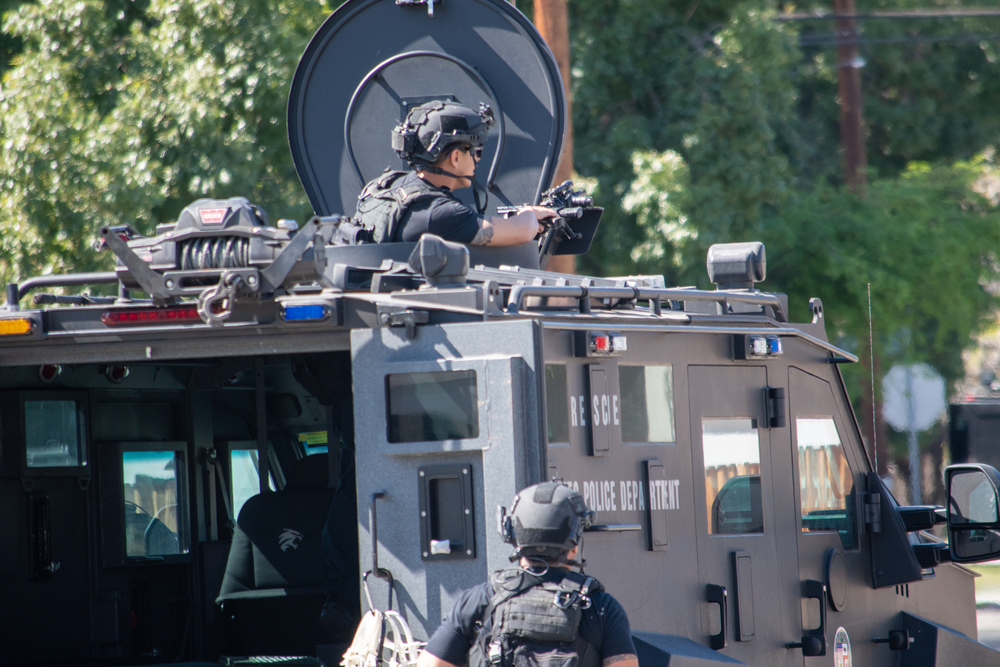
The unusual incident unfolded on June 15 in Chandler, Arizona, where police officers were responding to a possible weapons-related incident that required a SWAT response. Streets around the location had been secured while officers worked to investigate the situation and keep bystanders away from the area. It was a serious operation that demanded complete attention from everyone involved.
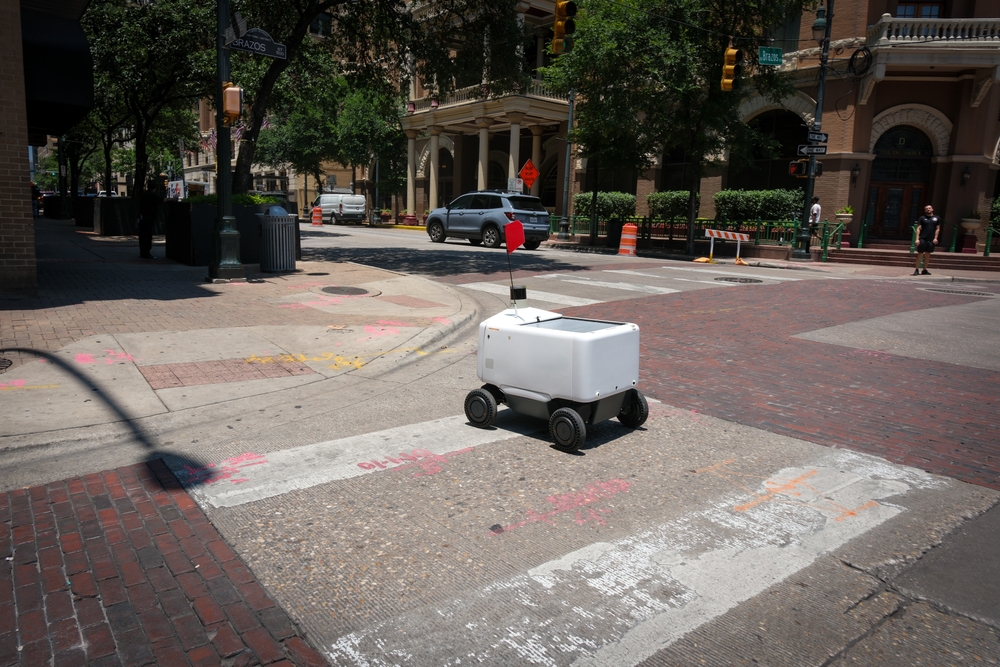
Then, seemingly out of nowhere, a small autonomous DoorDash delivery robot known as Dot appeared and rolled toward the restricted zone. Instead of turning away when it reached the police perimeter, the robot continued attempting to travel along its planned delivery route. Body camera footage and videos from the scene showed officers trying to redirect the machine before it reached the center of the operation.
For the officers on scene, the appearance of the robot was completely unexpected. Their focus was on handling a potentially dangerous police incident, yet they suddenly found themselves dealing with what looked like a cooler on wheels determined to finish a food delivery. It was an unusual interruption that briefly transformed a tense situation into something almost impossible to believe.
While videos of the encounter quickly spread online because of their comedic value, the circumstances surrounding the police response remained serious. Fortunately, the robot never escalated the situation or placed officers in immediate danger, but its arrival highlighted how autonomous machines can sometimes create challenges that no emergency response plan has anticipated.
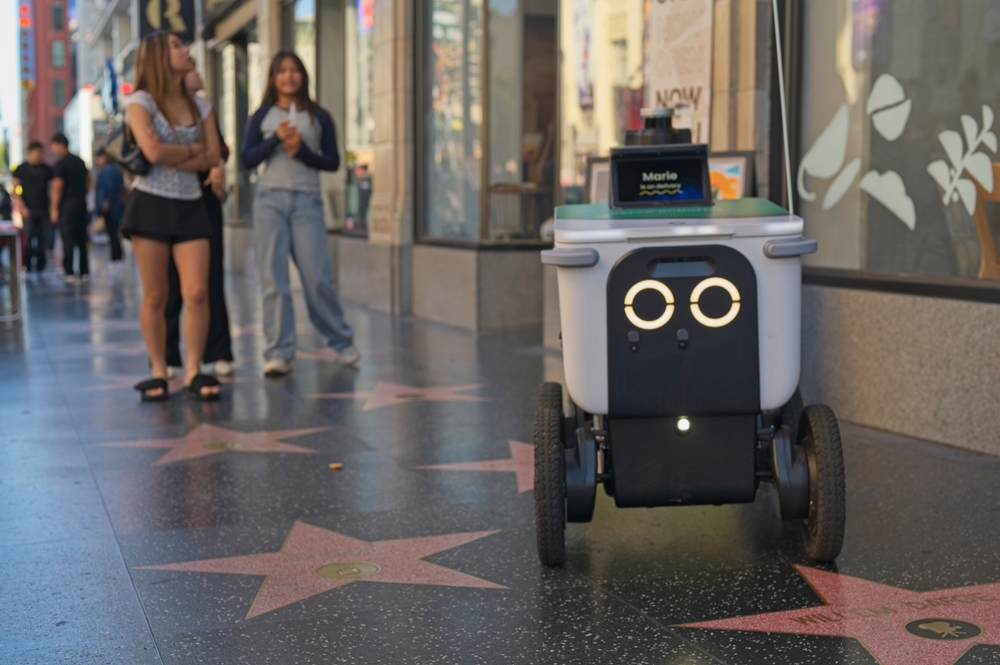
Why the Robot Refused to Leave
Unlike a human courier, the delivery robot wasn’t making decisions based on fear, caution, or common sense. Its software was designed to identify sidewalks, avoid obstacles, and reach a destination as efficiently as possible. Police tape, shouted commands, flashing emergency lights, and armed officers are situations that most people instinctively recognize as signals to stay away. For a delivery robot, however, those cues carry little meaning unless they have been specifically programmed into its navigation system.
According to reports, officers repeatedly instructed the robot to turn around as it approached the secured area. The commands made perfect sense to everyone present except the one participant that lacked the ability to understand spoken language in the way humans do. Rather than interpreting the scene as dangerous, the robot simply continued following its operational logic.
Its behavior wasn’t an act of defiance or malfunction. From the robot’s perspective, it was doing exactly what it had been built to do. It had a destination, a calculated route, and an assignment that remained incomplete. Without contextual understanding, there was nothing in its programming to tell it that the delivery suddenly mattered far less than the emergency unfolding around it.
The result was an oddly fascinating collision between human judgment and artificial intelligence. While officers relied on experience and situational awareness, the robot relied entirely on algorithms that couldn’t fully appreciate what was happening around it.
Even a Flashbang Couldn’t Stop the Delivery Mission
The situation became even more surreal when officers reportedly deployed a flashbang device as part of the ongoing police operation. Flashbangs are designed to produce an intense burst of light and sound that temporarily disorients people during tactical situations. For humans, the effect is immediate and overwhelming.
The delivery robot, however, had no emotional response to the explosion. It didn’t panic, run away, or recognize the danger. Without sensitive eyes, ears, or the instinct for self-preservation, the machine simply remained where it was or continued behaving according to its programming.
The contrast between highly trained tactical officers and an emotionless delivery robot created an image that many viewers found unintentionally hilarious. Social media users joked that the robot appeared more committed to completing its delivery than most people are to arriving at work on time. Others imagined the tiny machine believing that nothing, not even a SWAT team, should interfere with customer service.
Behind the humor, though, the incident exposed a genuine technological limitation. Artificial intelligence can successfully perform many repetitive tasks, but unusual real-world situations remain difficult to predict. Emergency scenes are dynamic environments where people constantly adapt to changing risks. Autonomous robots still struggle when those unpredictable situations fall outside the scenarios their software was designed to handle.
DoorDash Had to Send Someone to Rescue Its Own Robot
Eventually, police realized the delivery robot wasn’t going anywhere on its own. Since it wasn’t responding to verbal instructions and continued following its programmed behavior, officers contacted DoorDash to resolve the unusual situation. Rather than treating the robot as a malfunctioning machine, the company dispatched a technician to the scene to retrieve it manually.
Once the technician arrived, the autonomous courier was loaded into a truck and removed from the area, allowing officers to continue their operation without any further distractions. Reports later confirmed that the robot never interfered with the SWAT team’s work in a meaningful way. It simply happened to arrive at one of the worst possible locations while trying to complete a routine delivery.
DoorDash later explained that the robot behaved as it was designed to. Company representatives said the machine stopped and waited while emergency personnel handled the situation, adding that it did not actively disrupt the police response. While the explanation reassured many people that the technology hadn’t completely failed, the incident still highlighted how autonomous systems can behave in unexpected ways when confronted with unusual real-world events.
The footage quickly spread across social media and news websites because of how absurd it looked. For a few moments, the tiny delivery robot appeared to be sharing the spotlight with heavily armed tactical officers, creating a scene that looked more like a comedy sketch than a genuine police operation.
How Autonomous Delivery Robots Actually Work
Built for Sidewalks, Not Emergency Scenes
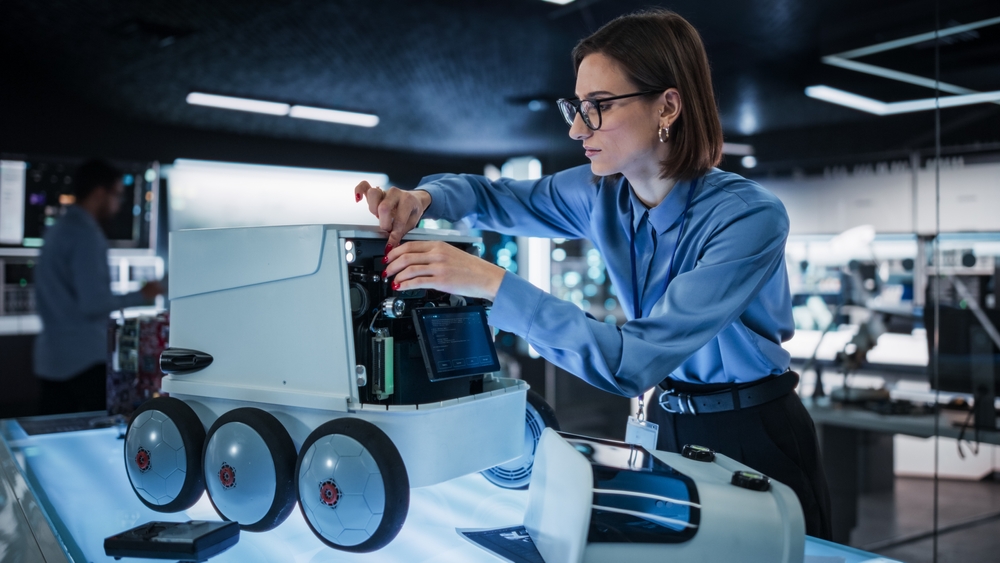
Autonomous delivery robots have become increasingly common in several American cities over the past few years. Designed to travel short distances, these compact machines transport restaurant meals, groceries, and small packages directly to customers without requiring a human driver to accompany them. Using a combination of cameras, GPS mapping, sensors, and artificial intelligence, they navigate sidewalks while avoiding pedestrians, pets, bicycles, and other everyday obstacles.
Most delivery robots move at walking speed and continuously scan their surroundings for hazards. If they encounter a blocked path, they typically stop, wait, or calculate an alternative route. Their software excels in predictable environments where traffic patterns and pedestrian behavior remain relatively normal. Construction zones, crowded sidewalks, or parked vehicles are challenges they are specifically trained to handle.
Emergency situations, however, present a completely different problem. A police perimeter doesn’t look like a standard obstacle to an artificial intelligence system. Officers waving their arms, flashing patrol lights, police tape, and tactical vehicles create a complex environment that can confuse software designed primarily for routine neighborhood deliveries. Without specialized programming for those scenarios, robots may continue following their original instructions rather than recognizing that the safest decision is to leave.
As companies continue expanding autonomous delivery services, engineers will likely use incidents like the Chandler SWAT encounter to improve how robots respond to emergency situations. Future software updates could allow delivery robots to identify police activity, recognize temporary road closures, or communicate directly with emergency services to avoid restricted areas before they ever arrive.
Strange Robot Encounters Are Becoming More Common
Although the Chandler incident stands out because it involved a SWAT team, it isn’t the first time autonomous delivery robots have found themselves in unusual situations. As the technology becomes more widespread, these machines are increasingly encountering circumstances their creators never expected.
Some of the more memorable incidents involving delivery robots include:
- Robots becoming trapped in deep snow after weather conditions changed unexpectedly.
- Autonomous couriers getting stuck on curbs or uneven sidewalks for hours.
- Curious pedestrians attempting to pet, ride, or prank delivery robots.
- College students surrounding robots and blocking their routes as a joke.
- Machines accidentally entering restricted buildings or construction zones before requiring human assistance.
Each of these incidents demonstrates the same reality. Autonomous robots perform remarkably well under ordinary conditions but can struggle when confronted with situations that fall outside their programming. Unlike humans, they cannot rely on instinct, experience, or common sense to improvise when something unusual happens.
The Chandler SWAT scene simply provided one of the most entertaining examples of that limitation. Instead of becoming trapped by snow or confused by a curb, the robot wandered into one of the most heavily secured locations imaginable.
A Funny Moment That Highlights a Serious Challenge for AI
As artificial intelligence continues becoming part of everyday life, stories like this reveal both its impressive capabilities and its current limitations. Delivery robots can navigate neighborhoods, avoid obstacles, and complete hundreds of successful deliveries. Yet one unexpected police operation was enough to expose how difficult it remains for machines to understand context in the same way people do.
For engineers, incidents like this are valuable learning opportunities. Every unusual encounter provides data that can improve future software, making robots better equipped to recognize emergency situations and respond appropriately. Today’s awkward mistake could become tomorrow’s software update.
For everyone else, the story offered something much simpler: a genuinely funny reminder that even the most advanced technology can create moments of pure absurdity. While officers focused on a high-risk operation, a determined little delivery robot appeared committed to one thing above all else, making sure someone’s lunch stayed on schedule. That unexpected clash between artificial intelligence and real-world chaos turned an ordinary police response into one of the internet’s most memorable viral moments of the year.