
Your cart is currently empty!
Lettuce Recall Expands as Cyclospora Outbreak Sickens Nearly 2,000 People Across Nine States
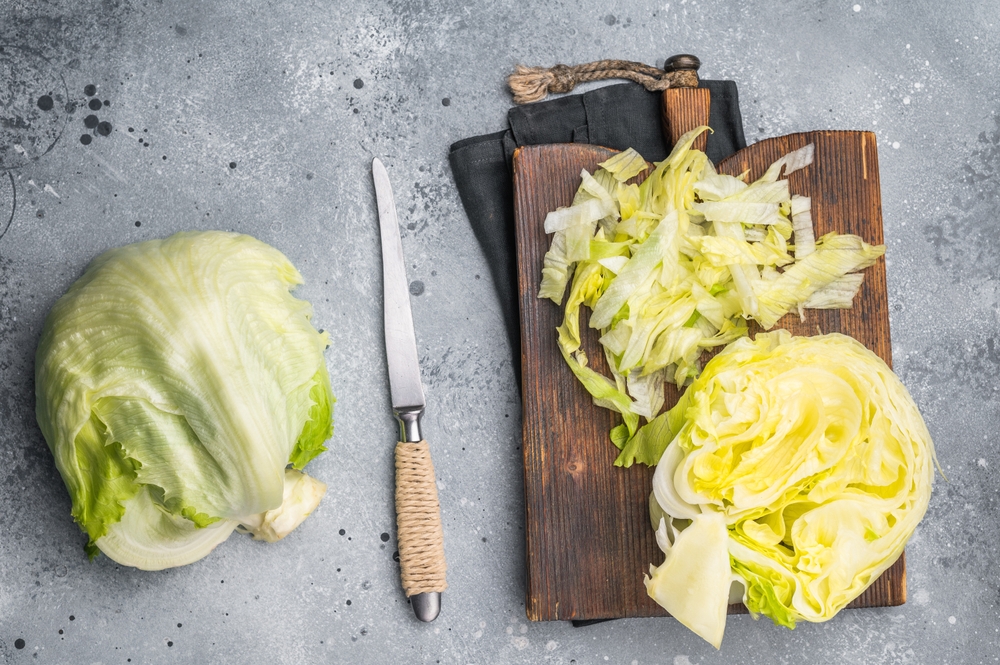
What began as a routine food safety investigation has rapidly turned into one of the largest Cyclospora outbreaks the United States has seen in recent years. Federal health officials are now urging consumers to check their refrigerators after a massive recall of iceberg lettuce linked to hundreds of restaurants and retail stores across the country. With nearly 2,000 confirmed illnesses and almost 100 hospitalizations already reported, the investigation is continuing to grow as authorities work to trace every affected product.
Contents
show
The outbreak has placed shredded iceberg lettuce under intense scrutiny after investigators connected illnesses in multiple states to products supplied by Taylor Farms de Mexico. The voluntary recall, announced on July 17, reaches far beyond restaurant kitchens, affecting Walmart’s Marketside brand as well as food service distributors that supplied businesses in more than two dozen states. While no deaths have been reported, officials say the number of confirmed cases is expected to rise in the coming weeks because Cyclospora infections often take time to diagnose and report.
A Foodborne Illness Investigation Quickly Expanded
The U.S. Food and Drug Administration (FDA), the Centers for Disease Control and Prevention (CDC), and state health departments are jointly investigating the multistate outbreak after epidemiological evidence repeatedly pointed toward shredded iceberg lettuce sourced from central Mexico. Investigators narrowed their search through patient interviews, tracing meals consumed before symptoms appeared and identifying a common ingredient among many of those who became ill.
According to the latest FDA update released on July 24, the outbreak now includes 1,947 laboratory-confirmed illnesses across nine states, with 98 people hospitalized. Health officials have reported cases in Illinois, Indiana, Kansas, Kentucky, Michigan, Ohio, Oklahoma, Pennsylvania, and West Virginia. Fortunately, no deaths have been linked to the outbreak so far.
Officials emphasized that the confirmed illnesses represent only a portion of Cyclospora infections reported nationwide. Because confirming a case requires laboratory testing and extensive follow-up investigations, new cases may continue to be added even after recalled products have been removed from store shelves. Illnesses included in the investigation began between June 22 and July 20, 2026, illustrating how long contaminated products may have circulated before the recall was announced.
Public health investigators also noted that the increase in confirmed infections partly reflects the addition of four newly identified states connected to the outbreak, expanding what was initially believed to be a smaller regional event into a much broader public health concern.

Why Taylor Farms Issued a Nationwide Recall
On July 17, 2026, Taylor Farms de Mexico voluntarily recalled all iceberg lettuce sourced from central Mexico after FDA traceback investigations consistently linked its products to people who became sick. The recall affects products distributed to restaurants, retailers, and consumers throughout the United States, including several Marketside-branded salad products sold at Walmart.
The recalled retail products include 12-ounce and 24-ounce Iceberg Salad packages and 8-ounce and 16-ounce Shredded Lettuce packages carrying Best if Used By dates ranging from July 18 through August 3, 2026. Food service distributors also received recalled products shipped between June 29 and July 16, meaning many restaurants may have served the lettuce before the recall was announced.
The distribution network was extensive. Food service products reached businesses in 27 states, while recalled Walmart Marketside products were sold in select stores across Alabama, Arkansas, Florida, Georgia, Indiana, Kansas, Kentucky, Louisiana, Missouri, Mississippi, Oklahoma, Tennessee, Texas, Virginia, and West Virginia.
The recall also extended beyond grocery stores. FDA investigators identified recalled lettuce supplied to Taco Bell restaurants before the company stopped using lettuce from Taylor Farms de Mexico on July 17. Officials continue to investigate whether additional retailers, restaurants, or distribution channels may also have received affected products.

Taco Bell Became a Key Piece of the Investigation
One of the strongest clues emerged when investigators interviewed hundreds of people diagnosed with Cyclospora. Many reported eating at Taco Bell in the two weeks before becoming sick, prompting a closer examination of ingredients used across multiple restaurant locations.
Earlier stages of the investigation found that about 90 percent of interviewed patients who had eaten at Taco Bell reported consuming meals containing iceberg lettuce. That finding led investigators to trace shipments back through suppliers until they converged on Taylor Farms de Mexico as the common source.
Cases connected to Taco Bell exposure have now been reported in:
- Illinois
- Indiana
- Kansas
- Kentucky
- Michigan
- Ohio
- Oklahoma
- Pennsylvania
- West Virginia
Although Taco Bell has confirmed it is no longer using lettuce supplied by Taylor Farms de Mexico, health officials caution that illnesses may continue appearing because Cyclospora infections often take days or even weeks before symptoms develop. The investigation also remains active, meaning additional restaurants or distributors could still be identified as more information becomes available.
Understanding Cyclospora and Why It Can Be Difficult to Detect
Cyclospora is a microscopic parasite that spreads when people consume contaminated food or water. Unlike many bacterial foodborne illnesses that appear within a day or two, Cyclospora infections typically develop about one week after exposure, although symptoms can begin anywhere from two days to more than two weeks later.
That delayed onset often makes it difficult for people to remember exactly what they ate before becoming ill. It also complicates outbreak investigations because patients may struggle to identify common meals or restaurants from several days earlier.

Health officials also warn that routine stool tests do not always screen specifically for Cyclospora, meaning patients experiencing prolonged diarrhea may need to request targeted testing. Without appropriate diagnosis and treatment, symptoms can last for several weeks and sometimes disappear before returning again, creating cycles of illness that can significantly disrupt daily life.
The Symptoms That Should Never Be Ignored
Most people infected with Cyclospora develop watery diarrhea, which is often the first and most persistent symptom. However, the illness rarely stops there. The parasite can also cause loss of appetite, stomach cramps, bloating, excessive gas, nausea, weight loss, and overwhelming fatigue. Some people may also experience vomiting, headaches, body aches, or fever, while others may carry the parasite without showing any symptoms at all.
Health officials say symptoms usually appear about one week after eating contaminated food, although they can develop as soon as two days or as late as two weeks after exposure. Because of this delayed timeline, many people may not immediately connect their illness to a salad or meal they ate days earlier, making it harder for doctors and investigators to identify the source.

Without treatment, cyclosporiasis can last anywhere from several days to more than a month. Some patients recover only to have symptoms return weeks later, a pattern known as relapse. People with weakened immune systems may experience more severe illness and face a greater risk of complications that require hospitalization.
The CDC also notes that dehydration is one of the biggest concerns, particularly for older adults, young children, and anyone with prolonged diarrhea. Anyone experiencing symptoms after eating shredded iceberg lettuce within the previous two weeks is encouraged to contact a healthcare provider and specifically request testing for Cyclospora, since routine stool tests may not automatically include the parasite.
What Consumers Should Do Immediately
Federal health officials continue to urge consumers not to take any chances with recalled products. Anyone who purchased recalled iceberg lettuce should throw it away immediately or return it to the place of purchase for a refund. Even if the lettuce appears fresh, officials warn that contaminated products cannot be made safe simply by rinsing them.
Consumers should also thoroughly wash any containers, refrigerator shelves, cutting boards, knives, or countertops that may have come into contact with the recalled lettuce. Using hot, soapy water or a dishwasher helps reduce the risk of cross-contamination to other foods that may still be in the kitchen.
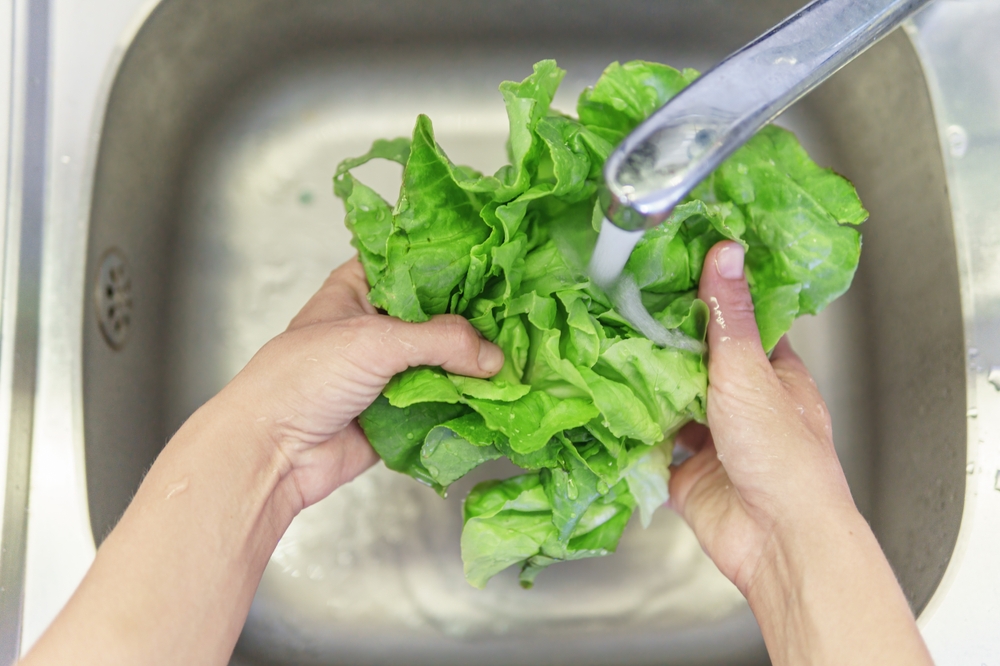
To reduce the risk of future infections, health agencies recommend washing fresh produce under running water before eating or preparing it. However, they also caution that washing alone cannot guarantee the removal of Cyclospora. Cooking produce to at least 158°F (70°C) is considered the most effective way to kill the parasite, although that is not practical for many fresh salad products.
Anyone diagnosed with cyclosporiasis may also receive a call from local or state health officials asking about foods eaten during the two weeks before symptoms began. While these interviews can take time, public health agencies say they are one of the most valuable tools for identifying contaminated foods and preventing additional illnesses.
Why Health Officials Expect More Cases
Although the recall was announced on July 17, investigators believe confirmed case numbers will continue climbing in the weeks ahead. Cyclospora outbreaks often unfold more slowly than bacterial foodborne illnesses because diagnosing the parasite requires specialized laboratory testing, and confirming links between patients takes additional epidemiological work.
The FDA has also explained that delays in reporting mean today’s case count reflects exposures that occurred days or even weeks earlier. As more laboratory results become available and investigators interview additional patients, more illnesses connected to the outbreak are expected to be added to the official total.
The investigation briefly drew attention after a lettuce sample collected at the border initially appeared to test positive for Cyclospora. However, FDA laboratory experts later determined the result was a false positive. Officials stressed that this finding does not change the overall investigation because the voluntary recall is supported by extensive epidemiological evidence and traceback data linking illnesses to shredded iceberg lettuce supplied by Taylor Farms de Mexico.
Federal and state agencies continue working with retailers, restaurants, distributors, and the supplier to ensure recalled products have been removed from the market. Officials say additional brands or distribution channels could still be identified as the investigation continues.
A Reminder to Check Your Refrigerator
With nearly 2,000 confirmed illnesses, almost 100 hospitalizations, and recalled products distributed across much of the United States, this outbreak has become one of the country’s largest recent food safety investigations involving fresh produce. Even if you purchased lettuce weeks ago, checking product labels and disposal dates could help prevent illness before symptoms ever appear.
For anyone experiencing prolonged diarrhea, fatigue, or stomach problems after eating fresh salads or shredded lettuce, health officials say early medical attention and proper testing remain the best steps toward recovery while investigators continue tracking the full scope of the outbreak.
CDC, contaminated lettuce, cyclospora outbreak, cyclosporiasis, FDA, food poisoning, food recall, food safety, health news, iceberg lettuce recall, lettuce recall 2026, Marketside salad, outbreak investigation, public health, recalled produce, Taco Bell, Taylor Farms, U.S. food recall, Walmart recall