
Your cart is currently empty!
Scientists Find 26 Genetic Clues Behind Fibromyalgia

For decades, fibromyalgia patients have faced a frustrating problem: the pain was real, but medicine had no blood test or scan that could clearly show why. Now, the largest genetic study of the condition ever conducted has uncovered 26 regions of the genome linked to fibromyalgia risk. The findings point strongly toward the nervous system…
These Seniors Show What Tattoos Really Look Like After Decades of Aging
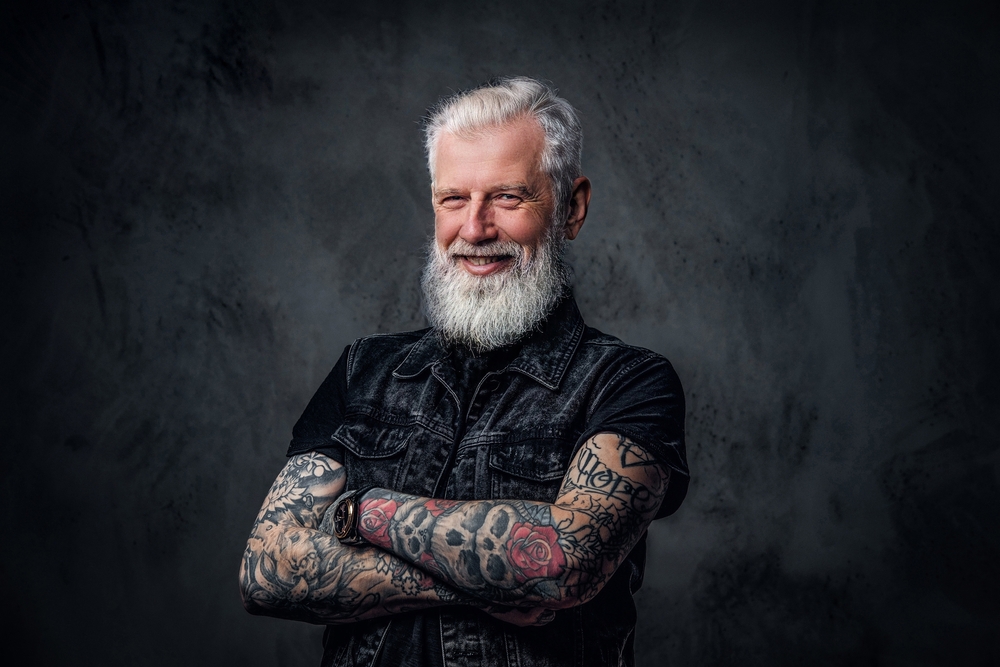
For anyone considering a tattoo, one question tends to linger in the back of their mind: what happens to the ink decades from now? Skin changes, bodies change, and the crisp design that looked perfect at 25 may not look exactly the same at 75. A collection of revealing photographs featuring tattooed senior citizens offers…
Scientists May Have Finally Settled The Coffee Health Debate

For decades, coffee came with a warning. Too much caffeine could make the heart race, raise blood pressure, and potentially trigger irregular rhythms, so many people were told to cut back. Now, a growing body of research has forced scientists to reconsider that advice. The latest evidence suggests that moderate coffee drinking may be far…
Soft Food May Have Helped Humans Learn to Say F and V
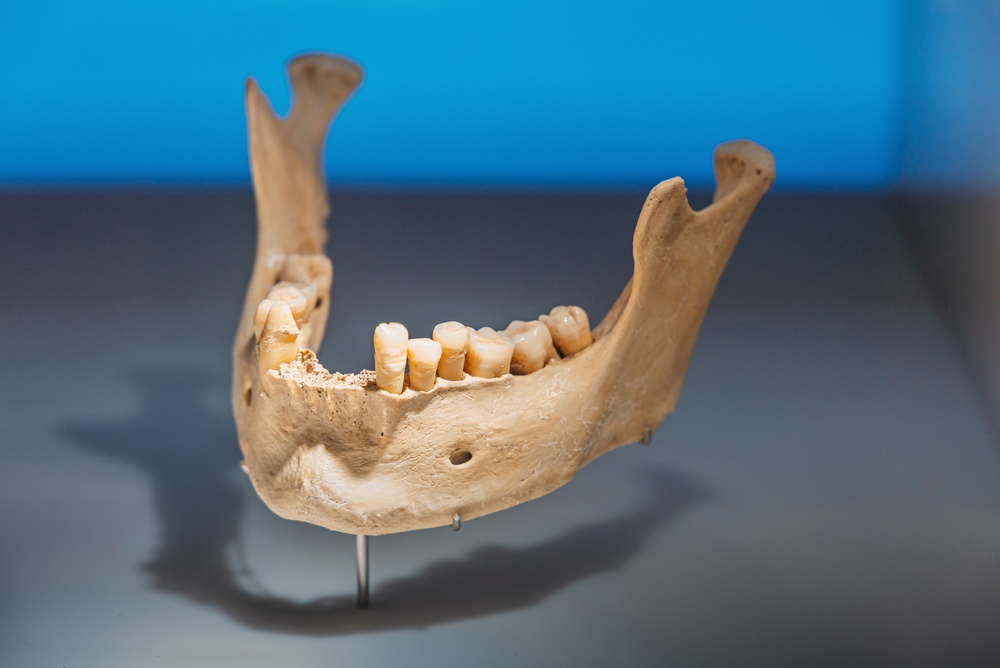
An overbite might seem like a modern dental problem, but researchers believe it could have quietly influenced the way humans speak. A shift toward softer food may have altered human jaws over thousands of years, making sounds like “f” and “v” easier to produce and leaving a possible mark on languages still spoken today. For…
She Couldn’t Find Anyone Her Age Talking About Fashion, So This 70-Something Started Posting and Millions Watched

Candace Leslie Cima went looking for fashion advice that applied to women her age and found a glaring problem instead: they were barely there. At the supermarket checkout, magazine covers promised readers tips on looking their best at 20, 30 and 40, but the decades that followed seemed to disappear from the conversation. Cima had…
Doctor Explains What Spending 93% of Your Time Indoors Could Be Doing to Your Body

Most people don’t wake up and think their biggest problem is that they spend too much time indoors. They blame stress, work, poor sleep, anxiety, or simply getting older. Yet Americans spend around 87% of their time inside buildings and another 6% inside vehicles, leaving surprisingly little time outdoors. Dr. John La Puma believes that…
Why People Once Woke Up in the Middle of the Night and Went Back to Sleep
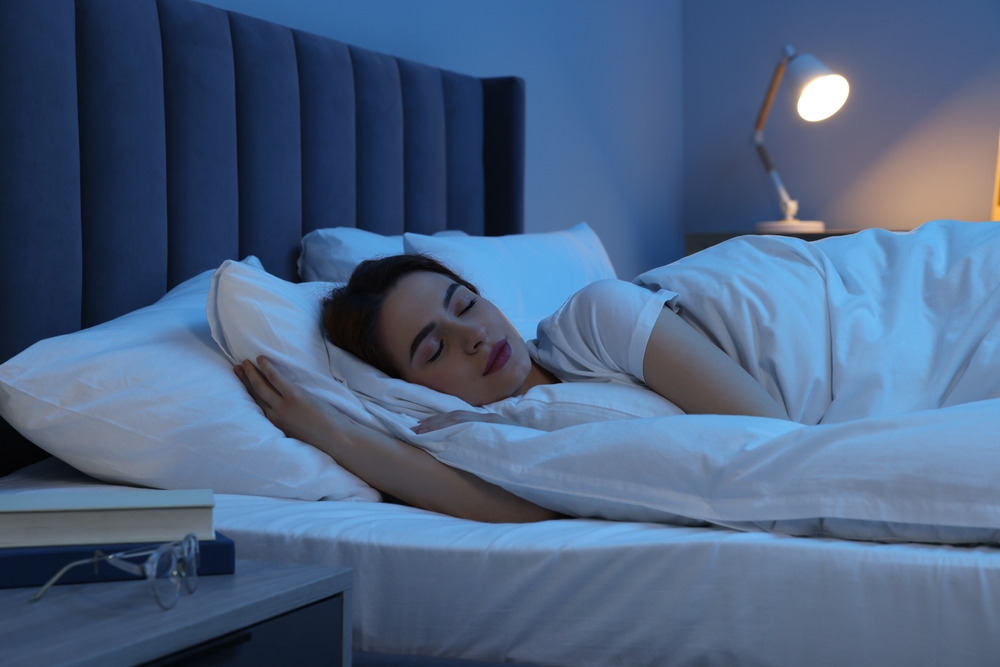
You wake up at three in the morning, stare into the darkness, and start doing the maths. If you stay awake another hour, tomorrow is going to be brutal. But for much of Western history, waking in the middle of the night was ordinary enough that people barely explained it. Records repeatedly mention a “first…
Mom Launches Pink Taxi Service to Help Women Get Home Safely

Amberine Nawaz stared at her silent phone in a panic. Her eight-year-old daughter was in a taxi with a stranger, driving through an area with no cell service—meaning Amberine couldn’t reach her at all. Since her family had just moved to a new town, she didn’t know a single person nearby she could call for…
92 Year Old Milton H Has Just Reached 500 Pure Barre Classes
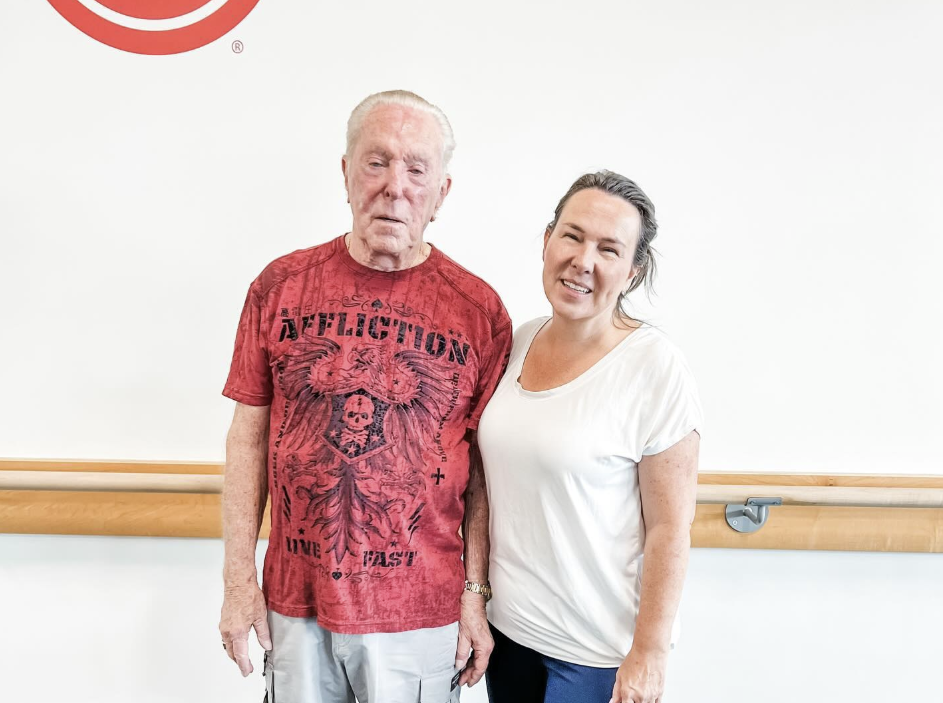
Most people would be thrilled to reach 500 workouts at any age. Milton H. reached the milestone at 92, after repeatedly walking into a Florida fitness studio and putting in the work. Pure Barre St. Augustine recently celebrated Milton’s 500th class with photos shared online, and the achievement quickly attracted thousands of likes and a…
Scientists Found a Cellular Mechanism That Could Help Explain How Aging Takes Hold
Scientists may have found a surprisingly specific weak point in the aging process. A new study suggests that a molecule inside our cells helps keep mitochondria working properly, and its decline with age may contribute to cellular deterioration. Even more striking, researchers were able to restore younger-looking mitochondrial function in laboratory worms by supplying either…