
Your cart is currently empty!
Man Sparks Heated Debate Over Hotel Checkout Habit
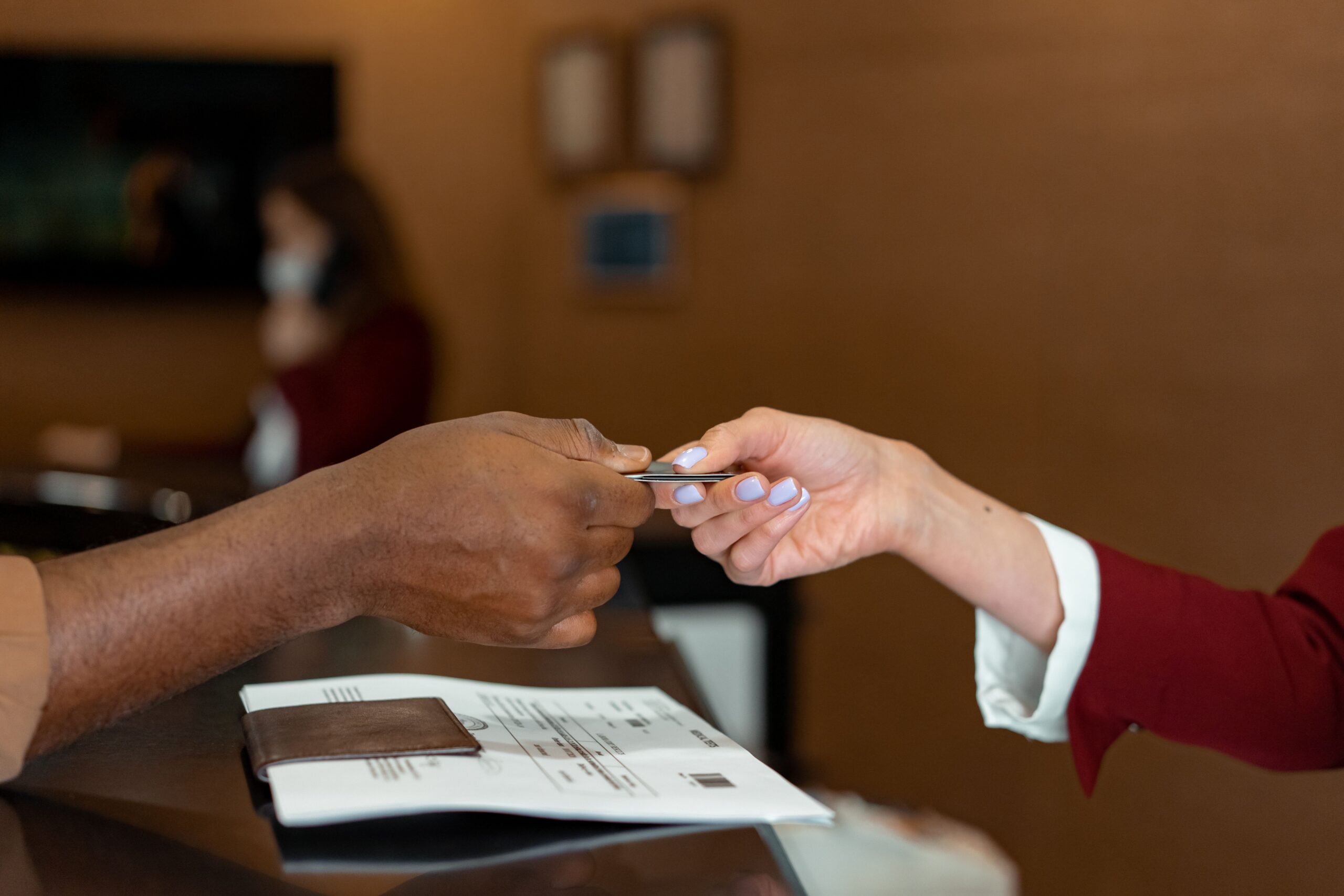
For many travelers, checking out of a hotel is a simple routine. Pack the suitcase, make one last sweep for forgotten chargers, drop the key card at reception, and head for the door. The room is left behind for housekeeping to reset before the next guest arrives.
Contents
show
But one Scottish content creator has shown that even something as ordinary as checking out can spark a surprisingly passionate debate.
Darren Dowling, better known online as “Dazza,” shared a photo of the way he leaves every hotel room before departing. Instead of simply walking away, he strips the bed completely, removing the duvet cover, pillowcases, and sheets before neatly placing everything together.
His question was straightforward.
“I always try and leave a hotel room like this. Is this the right or wrong thing to do?”
Thousands of people suddenly found themselves taking sides over a habit many had never even considered.
One Simple Photo Turned Into A Heated Conversation
Dowling is well known in Scotland for his popular “Does It Fry?” cooking videos and has built a large audience on Facebook. His post wasn’t intended to cause controversy, but the image immediately caught people’s attention.
The photograph showed a hotel bed stripped down to the mattress protector, with the used bedding folded neatly on top. Everything appeared tidy, organized, and ready for housekeeping.
To some viewers, it looked like the perfect example of being considerate.
To others, it seemed unnecessary.
Within hours, the comments section had filled with thousands of opinions from hotel guests, hospitality workers, and people who simply couldn’t understand why anyone would spend part of their vacation doing extra chores.
Many commenters argued that stripping the bed crossed an invisible line between being polite and doing someone else’s job.
“They literally pay people to do that though,” one person wrote.
Another admitted that while they always try to leave rooms reasonably clean, the idea of removing bedding had never crossed their mind.
“I have never done this. I never leave the room in a state but it would never occur to me to strip the bed for them.”
That perspective resonated with plenty of travelers who see hotels as one of the few places where they can temporarily stop worrying about household responsibilities.
After all, guests are paying for accommodation that includes housekeeping. Some questioned whether doing part of the cleaning process was necessary at all.
Yet the conversation quickly shifted once hospitality workers began sharing their experiences.
Housekeepers Explained Why Small Gestures Matter
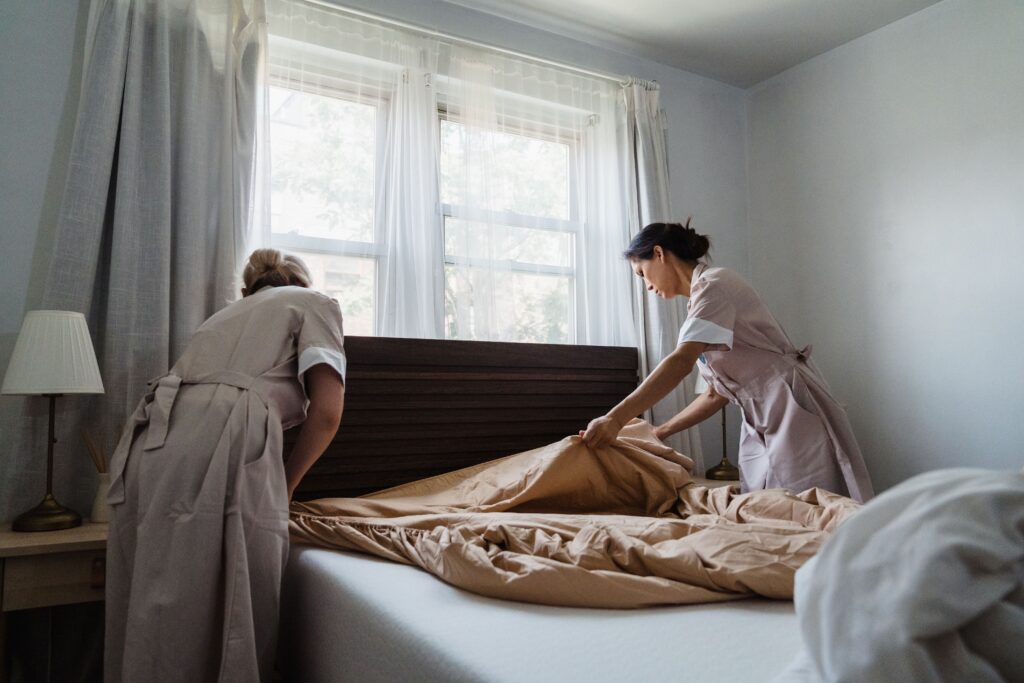
While many internet users viewed Dowling’s routine as excessive, current and former hotel housekeepers offered a very different perspective.
For them, the image represented something they rarely receive from guests: consideration.
One former housekeeper explained exactly why the gesture stood out.
“Having worked in housekeeping in a hotel, you have no idea how much things like this are appreciated. As you have time targets to hit per room and this is a massive help. Top man.”
That comment attracted significant support from others who had worked behind the scenes in hotels.
Cleaning guest rooms is physically demanding work.
Housekeepers often clean dozens of rooms during a single shift, with strict schedules that leave little room for delays. Every minute saved in one room can help them stay on schedule throughout the day.
Several workers noted that removing sheets before checkout eliminates one small task from a long list that includes changing bedding, cleaning bathrooms, vacuuming, sanitizing surfaces, replacing amenities, checking for damage, and preparing the room for the next guest.
One commenter summed it up simply.
“It’s the right thing to do. It’s a backbreaking job, and you just made it a bit easier for them.”
The responses revealed a side of hotel operations that many guests rarely think about.
Most travelers only see spotless rooms waiting for them upon arrival.
Few ever witness the demanding work required to achieve that standard within tight turnaround times.
Hotel Managers Also Weighed In

The discussion expanded beyond housekeeping staff as hotel managers began offering their own perspectives.
Rather than dismissing Dowling’s habit as unnecessary, many praised the intention behind it while also providing practical advice.
One hotel manager wrote:
“As a hotel manager I think this is class. I would say no need to fold things up so neatly. You could literally leave it all in a pile on the floor. But guests like you make our days a little easier.”
That response surprised many readers.
The manager wasn’t suggesting every guest should strip their beds.
Instead, the comment emphasized that thoughtful actions are noticed, even if they are not expected.
Another former housekeeper shared an additional habit that many travelers may never have considered.
“That’s good, as a former housekeeper I also like to leave all wet and dirty towels set in a corner.”
Separating wet towels prevents moisture from spreading across the room and allows staff to collect laundry more efficiently.
These comments gradually shifted the discussion away from whether guests should clean hotel rooms and toward a broader conversation about courtesy.
Many workers stressed that nobody expects perfection.
What they appreciate is any effort that makes their physically demanding job slightly easier.
The Internet Couldn’t Agree On Where Courtesy Ends
The debate highlighted an interesting divide in how people define good hotel etiquette.
For some, being respectful simply means avoiding unnecessary mess.
That could include throwing rubbish into bins, avoiding damage to furniture, not leaving food scattered around the room, and checking drawers before departure.
Anything beyond that feels unnecessary because housekeeping is already included in the cost of the stay.
Others believe there’s nothing wrong with spending an extra minute helping someone whose work often goes unnoticed.
Several commenters compared stripping the bed to stacking plates at a restaurant or returning empty glasses to a bar.
Neither action is required.
Neither dramatically changes someone’s workload.
But many people see those gestures as basic consideration.
One commenter described Dowling as a “life skills influencer,” explaining that although they had always stacked dishes after eating out, they had never thought about applying the same mindset in hotels.
“You bet I’m going to start though!”
The discussion demonstrated how social media can expose everyday habits that most people never question.
Many readers admitted they had never once thought about what happens after they close the hotel room door for the final time.
Others said they had worked in hospitality for years and automatically stripped beds whenever they stayed elsewhere because they understood the workload involved.
The conversation became less about right or wrong and more about personal philosophy.
Should guests do only what they’re required to do?
Or is there value in helping even when no one expects it?

As more industry professionals joined the discussion, the comments evolved into something larger than a debate about bed sheets.
Many began describing the realities of housekeeping that most hotel guests never witness.
Rooms are not always left in reasonable condition.
Some housekeepers recalled entering rooms after only a single night’s stay and finding rubbish everywhere, towels scattered across the floor, furniture moved, food left out, and bedding in complete disarray.
Compared with those situations, a neatly stripped bed represented a welcome surprise.
One housekeeper wrote that seeing guests make even a small effort could completely change the start of a shift.
Others pointed out that housekeeping remains one of the least visible departments in the hospitality industry despite being one of the most essential.
Guests may interact with reception staff, bartenders, servers, or concierge teams during their stay.
Housekeepers often remain invisible, quietly preparing rooms before guests arrive and restoring them after checkout.
As one commenter explained, without housekeeping there would be no clean rooms to sell and no hotel business at all.
The discussion also highlighted how physically demanding the role can be.
Changing dozens of beds every day requires constant lifting, bending, pulling heavy duvets, carrying linen carts, and working against tight deadlines.
Small gestures from guests may not transform the job, but many workers insisted they are appreciated.
Still, not everyone agreed that stripping beds was the best approach.
Some even suggested it could create confusion, while others believed guests should simply leave rooms tidy and allow trained staff to follow their normal cleaning procedures.
That disagreement would soon become another major talking point as even more hotel workers joined the conversation with unexpected perspectives.
Not Every Housekeeper Thought Stripping The Bed Was The Perfect Solution
Although many hospitality workers praised Dowling’s routine, the conversation became more nuanced as additional housekeepers shared their own experiences.
One cleaner admitted that finding a stripped bed wasn’t always reassuring.
Instead, it sometimes made them suspicious.
“I get worried when I see this. What are they hiding?”
The comment was made jokingly, but it reflected a reality familiar to experienced hotel staff. Guests occasionally attempt to cover up spills, stains, damaged bedding, or accidents before checking out.
A stripped bed can sometimes mean a problem is waiting underneath.
Other hospitality workers pointed out that every hotel follows different procedures for handling used linen. Some housekeeping teams prefer removing bedding themselves because it allows them to inspect mattresses, identify damaged items, and separate laundry according to the hotel’s system.
In those cases, stripping the bed may not actually save much time.
That doesn’t mean the gesture is unwelcome.
Rather, it highlights that there is no universal rule across the hotel industry.
What helps one housekeeping team may simply be another step in a different property’s routine.
Most professionals who joined the discussion agreed on one point.
Thoughtfulness matters more than following any unwritten checklist.
One Guest Claimed The Habit Actually Cost Him Money
Just when it seemed the discussion couldn’t become any more surprising, another commenter introduced an experience that few people expected.
According to one traveler, stripping the bed before checkout had actually resulted in a financial penalty during a stay in Spain.
“They claimed the room was ‘messy’ as I stripped the beds and put any rubbish in a bin bag and put them nicely in the corner of the room. Had to pay €60.”
The claim caught many readers off guard.
Although there was no indication that such fines are common practice, it served as another reminder that hotel policies vary widely between countries and individual properties.
Some hotels may prefer guests to leave rooms exactly as they found them, allowing housekeeping staff to follow standardized inspection procedures.
Others may appreciate guests organizing used towels, collecting rubbish, or stripping bedding.
The experience reinforced an important point throughout the debate.
There is no official hotel etiquette guide that every property follows.
Instead, expectations often depend on local customs, management preferences, and operational procedures.
Darren Had A Simple Response To His Critics
Many commenters continued insisting that hotel staff are employed specifically to clean rooms.
From their perspective, guests should simply enjoy the service they have paid for.
Dowling acknowledged those comments but offered a response that quickly attracted attention.
“The police are paid to stop murders but that doesn’t go well does it.”
His reply wasn’t intended as a direct comparison between the two professions. Instead, it illustrated a broader principle.
Just because someone is paid to perform a task does not mean other people cannot make their work a little easier.
That idea resonated with supporters who viewed small acts of consideration as part of everyday courtesy.
Many pointed out that people often return shopping carts, stack restaurant plates, or hold doors open for strangers without being asked.
Those actions are rarely required.
They simply reflect how some people choose to interact with others.
For critics, however, the comparison missed the point.
They argued that housekeeping procedures exist for a reason and that guests should avoid interfering with staff workflows.
The exchange demonstrated how two groups could look at the same photograph and arrive at completely different conclusions.
The Debate Became About More Than Hotel Rooms
What started as a discussion about bed sheets gradually evolved into something much broader.
People began sharing their own habits when staying in hotels.
Some always gather used towels into one place.
Others empty rubbish into bins before leaving.
Several said they wipe bathroom counters or make the bed before checking out.
Many admitted they had never considered doing any of those things.
Instead, they simply avoid leaving unnecessary mess and assume the housekeeping team will take care of the rest.
The discussion also highlighted how personal experiences shape opinions.
Former hospitality workers overwhelmingly understood why Dowling’s gesture was appreciated.
People who had never worked in hotels were more likely to view it as unnecessary because they had little insight into the pace and physical demands of housekeeping.
One commenter summed up the issue by describing housekeeping as one of the hardest jobs in any hotel.
Workers clean room after room while racing against strict deadlines, often without guests ever seeing the effort involved.
That perspective encouraged many readers to think differently about the people who prepare rooms behind the scenes.
Small Acts Of Courtesy Mean Different Things To Different People
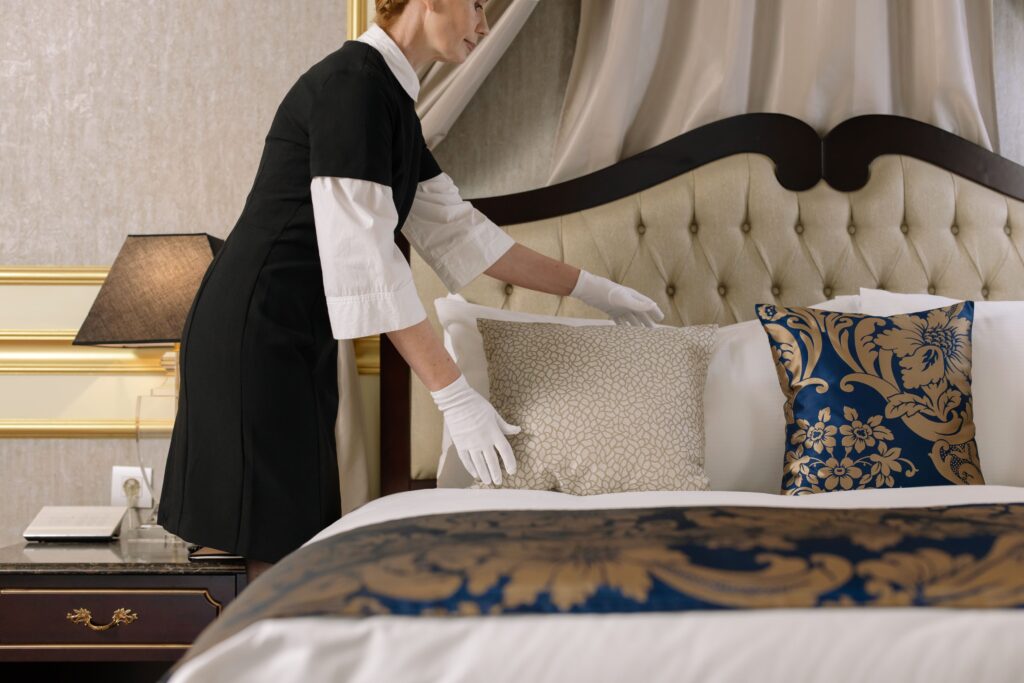
Hotel etiquette has always included obvious expectations.
Most guests understand they shouldn’t damage property, leave excessive rubbish behind, or treat staff disrespectfully.
Beyond those basics, however, opinions vary considerably.
Some travelers believe paying for accommodation includes every aspect of room cleaning.
Others feel there is nothing wrong with taking a few extra moments to reduce someone else’s workload.
Neither approach is supported by any official rulebook.
Instead, they reflect different ideas about courtesy.
Hospitality professionals participating in the discussion repeatedly emphasized that they do not expect guests to clean rooms themselves.
What they appreciate most is respect.
That might mean reporting accidental damage instead of hiding it.
It could involve keeping rubbish together, placing wet towels in one area, or simply treating the room with care during the stay.
For some guests, stripping the bed naturally fits into that mindset.
For others, leaving the bedding untouched feels equally respectful because it allows staff to follow their normal routine.
A Viral Photo Opened An Unexpected Conversation
Social media often turns ordinary moments into surprisingly polarizing discussions.
Dowling’s hotel checkout routine joined a long list of everyday habits that people rarely think about until someone posts them online.
The reactions showed there is no clear consensus on whether guests should strip hotel beds before leaving.
Some see it as an unnecessary chore during a holiday.
Others view it as a small gesture of appreciation for workers whose efforts are often overlooked.
What stood out most was the number of housekeepers who took the opportunity to explain what their jobs actually involve. Their comments shifted the conversation away from internet arguments and toward a better understanding of the people who prepare hotel rooms for every arriving guest.
Whether travelers choose to strip the bed or simply leave the room tidy, the discussion offered a useful reminder that simple acts of consideration rarely go unnoticed. In an industry built on welcoming strangers every day, even small gestures can leave a lasting impression long after checkout.