
Your cart is currently empty!
The Small Parenting Habits Children Never Forget

Most parents assume their children will remember the big stuff.
Contents
show
The expensive holidays. The birthday parties that took weeks to organize. The Christmas mornings with mountains of wrapping paper covering the floor.
But ask grown adults what they actually remember about childhood, and the answers are usually much smaller.
They remember the way their parent looked up from the kitchen when they walked through the door after school. They remember hearing laughter from the living room on stressful nights. They remember how someone reacted when they spilled milk, failed a test, or admitted they were scared.
Childhood memories are strange like that. The moments that shape people are often the ones adults barely notice while they’re happening.
Psychologists have long pointed out that children build emotional security through repetition, not grand gestures. A single expensive trip might be exciting, but the daily emotional atmosphere inside a home is what becomes part of a child’s inner voice.
That means the ordinary moments matter far more than many parents realize.
Not because anyone needs to become a perfect parent. That does not exist.
But because children are constantly collecting evidence about who they are, whether they matter, and what relationships are supposed to feel like.
And surprisingly often, the evidence comes from tiny interactions that seem forgettable at the time.
The Way You React When They First See You After Being Apart
One of the biggest emotional signals children absorb happens in the first few seconds after reconnecting with a parent.
It might be after school, after daycare, after work, or even after a short trip to the grocery store. Children instinctively scan a parent’s face for emotional information.
Do you seem happy to see them?
Do you make eye contact?
Do you immediately return to your phone?
To adults, these moments can feel routine. To children, they quietly answer an important emotional question: “Am I someone people are glad to come home to?”

Many adults still remember the feeling of walking toward a parent after school and seeing either warmth or distraction waiting for them.
This is especially powerful because transitions are emotionally loaded for children. School can involve social pressure, embarrassment, overstimulation, or anxiety that parents never fully see. Reconnecting with a trusted adult helps regulate the nervous system.
A simple smile, a quick hug, or a genuine “How was your day?” can become one of the emotional anchors children carry for years.
And children notice consistency more than perfection.
Even busy parents who only have a few minutes before rushing to the next task can still create a memorable emotional landing point.
The Small Rituals That Happen Over and Over Again

Children rarely remember entire years clearly.
What they remember instead are repeated patterns.
The pancakes every Saturday morning.
The song that always played during car rides.
The bedtime phrase a parent said every night without fail.
These rituals often seem meaningless to adults because they are so ordinary. But repetition creates emotional permanence.
Psychologists who study memory have found that routines help children feel psychologically secure because predictability lowers stress. Rituals become signals that life is stable and safe.
That is why many grown adults can still remember tiny household traditions decades later.
Sometimes the rituals are accidental.
A parent who always whistles while cooking dinner.
A nightly joke repeated at bedtime.
A specific fast-food stop after soccer practice.
Children attach emotional meaning to these patterns because they represent continuity.
In chaotic households, rituals become even more important. They tell children that no matter what happened during the day, some things remain dependable.
And surprisingly often, those dependable moments become the memories that survive longest.
How You Respond When They Make a Mistake

Children do not learn who they are from success alone.
They also learn from failure.
More specifically, they learn from how the adults around them react to failure.
A spilled drink. A broken plate. A failed exam. A forgotten homework assignment.
These moments may feel frustrating for exhausted parents, but children are paying attention to something bigger than the actual mistake.
They are trying to figure out whether love disappears when they disappoint someone.
A child who is screamed at for every accident often becomes hypervigilant. They learn to fear mistakes rather than learn from them.
On the other hand, children whose parents stay calm during stressful moments often develop stronger emotional resilience.
That does not mean there should be no consequences.
It means the reaction matters.
There is a major difference between “You made a bad choice” and “You are a bad kid.”
Many adults can still remember specific childhood moments when they accidentally broke something valuable and braced themselves for humiliation.
What stayed with them years later was not the object itself.
It was whether the adult chose connection or anger.
Children internalize those reactions and eventually use them on themselves.
That becomes their future self-talk.
The Mood of the House at Night

People often underestimate how deeply children absorb nighttime tension.
The atmosphere inside a home after dark can become one of the strongest emotional memories of childhood.
Some children remember peaceful evenings.
Soft conversations. Television sounds in the background. A sense that the day was winding down safely.
Others remember listening carefully from their bedroom.
Waiting to hear whether doors slammed.
Trying to detect tension in adult voices.
Children are highly sensitive to emotional tone, especially during quieter nighttime hours when distractions disappear.
Psychologists sometimes describe this as emotional climate. Children may not understand adult problems, but they absolutely understand emotional energy.
That emotional climate often becomes associated with safety itself.
Many adults who grew up in tense households still struggle to relax at night because their nervous systems learned to associate evenings with unpredictability.
Meanwhile, children raised in calmer environments often remember nighttime routines with surprising tenderness.
A parent reading nearby.
Someone checking in before bed.
The sound of dishes being washed while they drifted to sleep.
None of these moments look dramatic from the outside.
But emotionally, they become part of how children define home.
Whether You Listened When They Talked About Small Things

Children constantly test whether their inner world matters.
And they usually test it through stories adults consider unimportant.
A long explanation about a playground argument.
A detailed retelling of a dream.
An enthusiastic description of a cartoon character.
Adults are often tempted to half-listen during these moments because the topics seem trivial.
But children are not only sharing information.
They are checking whether someone cares about what matters to them.
Developmental psychologists have repeatedly found that responsive listening strengthens attachment and self-worth in children.
Feeling emotionally dismissed over and over again can quietly teach children that their thoughts are inconvenient or irrelevant.
What children often remember later is not whether parents solved their problems.
It is whether they felt emotionally present.
Many adults still vividly remember parents who looked distracted every time they spoke.
Others remember the opposite.
A parent who paused what they were doing.
A parent who laughed at the story.
A parent who remembered details later.
Those interactions become evidence of emotional value.
And strangely enough, children often remember the small conversations more than the formal lectures.
The Moments When You Became Playful Instead of Authoritative
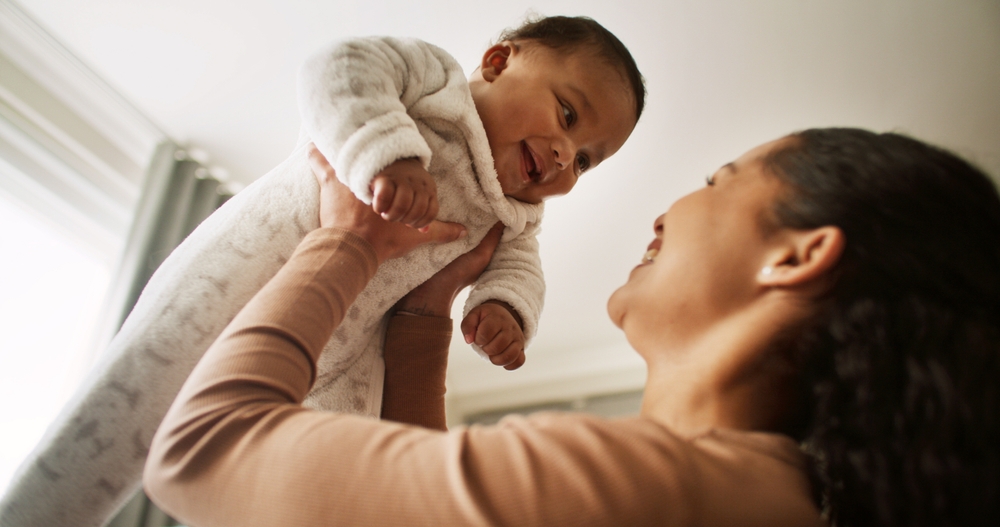
Children remember adults who occasionally stepped out of “serious mode.”
Not because they expect parents to become entertainers full time.
But because play communicates emotional accessibility.
A spontaneous dance in the kitchen.
Singing nonsense songs in the car.
Running through sprinklers together.
These moments matter because children experience parents differently during play.
The power dynamic softens.
The relationship feels emotionally mutual.
Research on parent-child bonding consistently shows that shared laughter strengthens emotional connection and reduces stress hormones for both children and adults.
And the memories created through humor tend to stay unusually vivid.
Many adults barely remember expensive gifts from childhood.
But they remember the weird made-up songs their parents sang.
They remember movie nights where everyone laughed uncontrollably.
They remember parents acting silly in public just to embarrass them.
Playfulness tells children something important: joy belongs in relationships.
That message can shape how they later approach friendships, parenting, and intimacy.
Because children raised in emotionally warm environments often grow into adults who associate love with comfort instead of emotional distance.
How You Treated Other People When You Thought Nobody Was Paying Attention
Children are constantly observing behavior adults assume goes unnoticed.
The way you speak to waiters.
How you react to traffic.
Whether you mock strangers after leaving a store.
Parents often focus heavily on teaching values through direct instruction, but psychologist Albert Bandura’s social learning theory suggests children learn even more through observation.
In other words, children pay attention to behavior more than speeches.
A parent who lectures about kindness but constantly insults people sends a confusing emotional message.
Children notice the contradiction.
And eventually they model what they repeatedly see.
Many adults can trace their current behaviors directly back to these quiet observations.
Some remember parents who treated everyone with respect, regardless of status.
Others remember chronic criticism, gossip, or cruelty disguised as humor.
These memories matter because they shape a child’s understanding of normal human interaction.
Children absorb emotional habits long before they consciously evaluate them.
That means everyday moments often become character lessons without anyone realizing it.
And because children idealize parents early in life, the behaviors they witness tend to carry enormous psychological weight.
What Happened When They Were Emotionally Overwhelmed

Every child experiences moments when emotions become too big to handle.
Tantrums.
Fear.
Embarrassment.
Disappointment.
What children remember years later is rarely the exact reason they were upset.
What they remember is how adults responded.
Were they mocked?
Punished immediately?
Ignored?
Or helped through it?
Children do not automatically know how to regulate emotions. Emotional regulation is largely learned through co-regulation with caregivers.
That means calm adult responses literally help shape how children manage stress later in life.
This does not mean parents must tolerate every behavior without boundaries.
It means children need adults who can separate emotions from identity.
A child having a meltdown is not necessarily manipulative or dramatic.
Sometimes they are overwhelmed and lack the neurological tools to recover independently.
Adults who respond with emotional steadiness often create long-term psychological safety.
Children raised this way are more likely to view emotions as manageable rather than shameful.
And many adults vividly remember the moments someone stayed emotionally close to them during distress.
A parent sitting quietly beside them after a bad day.
A reassuring hand on their shoulder.
Someone saying, “We’ll figure this out.”
These moments become emotional reference points for future relationships.
Whether Your Affection Felt Conditional or Consistent
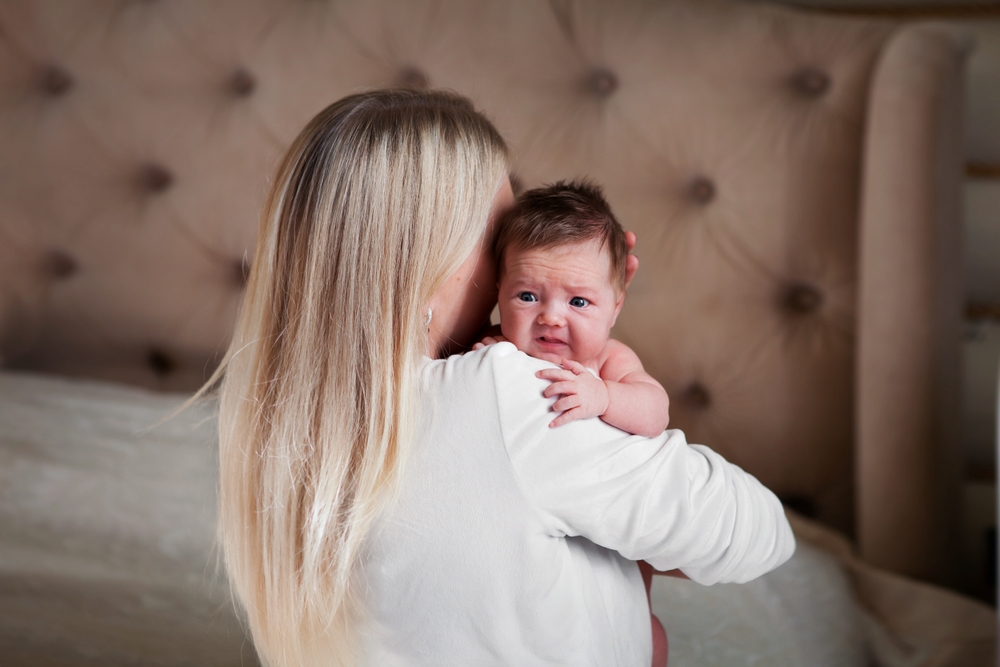
Children are incredibly sensitive to emotional withdrawal.
They quickly notice whether warmth disappears after mistakes, disagreements, or disappointing behavior.
That is why consistent affection matters so much.
Not performative affection.
Not exaggerated speeches.
Just steady signals of care.
A parent checking in after an argument.
A hug after discipline.
A calm conversation after tension.
Attachment researchers have long emphasized that secure children are not raised in conflict-free homes. They are raised in homes where connection reliably returns after conflict.
This process is sometimes called repair.
And it matters enormously.
Children who experience consistent emotional repair tend to feel safer in future relationships because they learn that conflict does not automatically equal abandonment.
Meanwhile, children who experience affection as unpredictable often become anxious about rejection.
Many adults can still remember the feeling of not knowing whether a parent would be loving or distant depending on mood.
Others remember parents who stayed emotionally connected even while enforcing boundaries.
That difference often shapes how people later handle intimacy, trust, and vulnerability.
Children may not consciously analyze these patterns while growing up.
But emotionally, they absorb them constantly.
The Way You Apologized After Getting Something Wrong
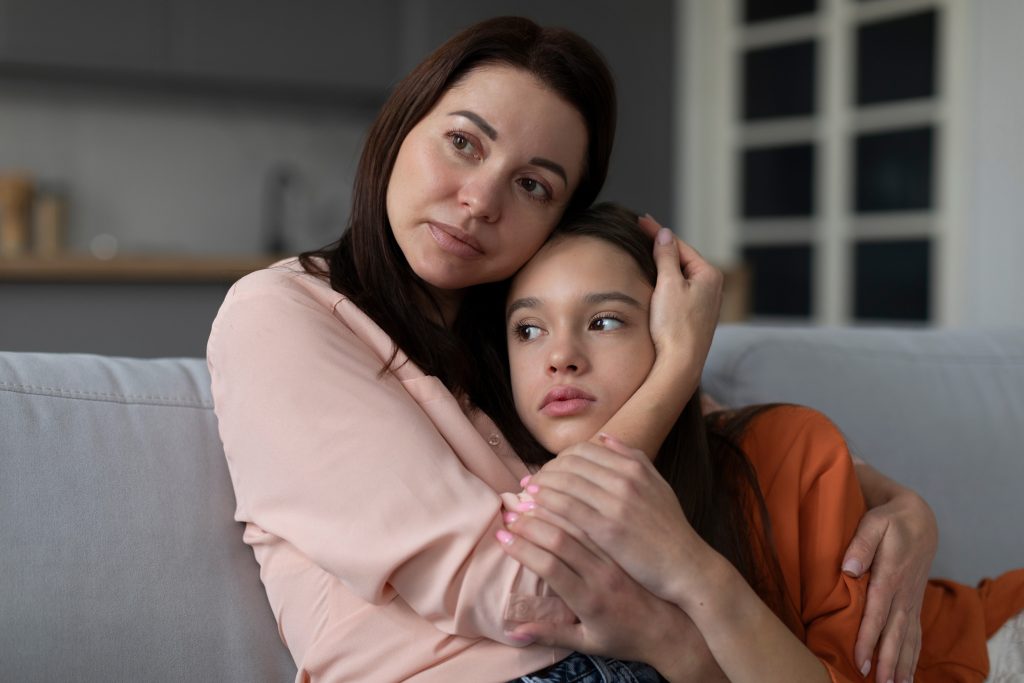
Parents sometimes believe apologizing weakens authority.
In reality, healthy apologies often strengthen trust.
Children know adults make mistakes.
They see the yelling.
The overreactions.
The unfair assumptions.
What matters most is whether accountability exists afterward.
A sincere apology teaches children several important psychological lessons at once.
It teaches that mistakes do not make someone unlovable.
It teaches that relationships can recover.
And it teaches emotional responsibility.
Many adults still remember the rare moments when a parent admitted they were wrong.
Because emotionally, it felt powerful.
It made the relationship feel real rather than hierarchical.
On the other hand, parents who refuse accountability often create confusion and resentment.
Children learn that power matters more than honesty.
Over time, this can damage emotional closeness.
Apologizing also models behavior children eventually carry into their own adult relationships.
Children raised around healthy repair are more likely to apologize sincerely themselves.
They learn that accountability is not humiliation.
It is maturity.
And surprisingly often, the parents children admire most later in life are not the flawless ones.
They are the ones who acted human while still making their children feel emotionally safe.
The Moments They Realized You Genuinely Enjoyed Being Around Them

One of the most defining memories children carry into adulthood is whether they felt emotionally welcomed.
Not merely cared for.
Not simply supervised.
Actually enjoyed.
Children can usually tell the difference.
A parent can provide food, shelter, and structure while still seeming emotionally irritated by a child’s presence.
And children notice that feeling quickly.
Many adults vividly remember whether they felt like a burden growing up.
They remember the sighs.
The constant impatience.
The sense that they were interrupting adult life simply by existing.
Others remember feeling genuinely liked.
Parents laughing with them.
Inviting them into conversations.
Showing curiosity about who they were becoming.
That emotional experience matters because children often build self-worth around how consistently welcomed they feel.
Psychologists sometimes refer to this as reflected value. Children partially learn their worth by observing how important they seem to significant adults.
This is why small moments of warmth can become lifelong emotional memories.
A parent staying up late talking.
A shared inside joke.
Someone excited to hear their opinion.
None of these moments requires money or perfect parenting.
But they communicate something children never forget.
“You are someone I truly like being around.”
And for many people, that feeling becomes one of the strongest emotional foundations they carry into adulthood.
The Memories Children Carry Are Often Quieter Than Parents Expect
Most parents worry about the huge mistakes.
The ruined holidays.
The stressful years.
The moments where exhaustion took over.
But childhood memories are rarely built from isolated disasters or picture-perfect milestones alone.
They are usually built from emotional patterns.
Children remember what consistently surrounded them.
The tone of your voice.
The atmosphere in the house.
The feeling they had after making mistakes.
The tiny rituals that made life feel predictable.
The moments they felt emotionally seen.
That is both comforting and challenging.
Comforting because meaningful parenting does not require perfection or endless expensive experiences.
Challenging because the ordinary moments matter so much.
In the end, many children grow up remembering less about what their parents bought them and far more about how life felt around them.
And often, the moments that shape those memories are the ones adults almost overlook entirely.