
Your cart is currently empty!
NASA’s Most Powerful Moon Rocket Just Took a Major Step Forward With This Huge Delivery
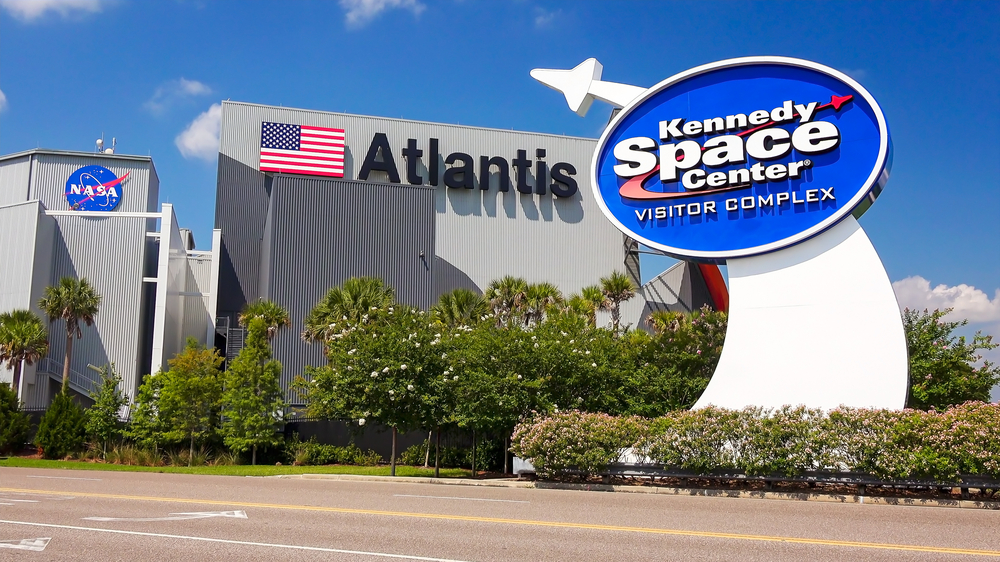
A massive piece of NASA hardware just arrived in Florida, and while it did not come with fireworks or a launch countdown, it marks one of the most important steps yet in humanity’s push back toward the Moon. The core stage for Artemis III, the central structure of the agency’s most powerful rocket, has officially reached Kennedy Space Center after a long journey across the Gulf Coast, setting the stage for the next phase of assembly.
Contents
show
This moment might look routine on the surface, but inside NASA, it signals a major transition. The Artemis program is moving out of preparation and into physical build-up at the launch site, where every component must come together with precision. What arrives as a single structure now will soon become part of a fully integrated system designed to carry astronauts farther than any crewed mission has gone in more than 50 years.
The Core Stage Completed a 900-Mile Journey Across the U.S.
The largest section of the Artemis III rocket did not arrive by road or air. It traveled by water, moving 900 miles aboard NASA’s Pegasus barge from Louisiana to Florida, carrying the backbone of the Space Launch System. The journey took about a week and ended at Kennedy Space Center’s turn basin, where teams prepared to unload one of the most critical pieces of flight hardware NASA currently has.
NASA confirmed the milestone clearly, stating that “The largest rocket section for NASA’s Artemis III mission arrived at the agency’s Kennedy Space Center in Florida on April 27.” That single line marks years of manufacturing work coming together at the place where final assembly begins.
The same update explains how “The SLS (Space Launch System) core stage traveled 900 miles on the Pegasus barge from NASA’s Michoud Assembly Facility in New Orleans where the stage is manufactured, to complete assembly of the massive rocket at NASA Kennedy.” That distance reflects not just logistics, but the scale of coordination behind every Artemis mission component.
What This Massive Rocket Section Actually Includes
This is not a single solid structure but a combination of critical systems built into one enormous frame. The delivered section represents roughly 80 percent of the full core stage, and once fully assembled, it will stand at 212 feet tall, making it one of the most powerful rocket elements ever constructed.
NASA outlined exactly what this portion contains, noting it includes “the section containing the liquid hydrogen tank, liquid oxygen tank, intertank, and forward skirt.” Each of these components serves a specific purpose, from storing propellant to maintaining structural integrity during launch.
The liquid hydrogen and oxygen tanks feed the engines that generate thrust, while the intertank connects these massive structures and absorbs the intense forces of liftoff. The forward skirt houses avionics systems that control the rocket’s guidance and operations during flight.
All of these systems must function together perfectly. Even minor deviations in pressure, alignment, or timing could affect mission safety, which is why the assembly phase is treated as one of the most critical parts of the entire program.
Inside the Vehicle Assembly Building Where It All Comes Together
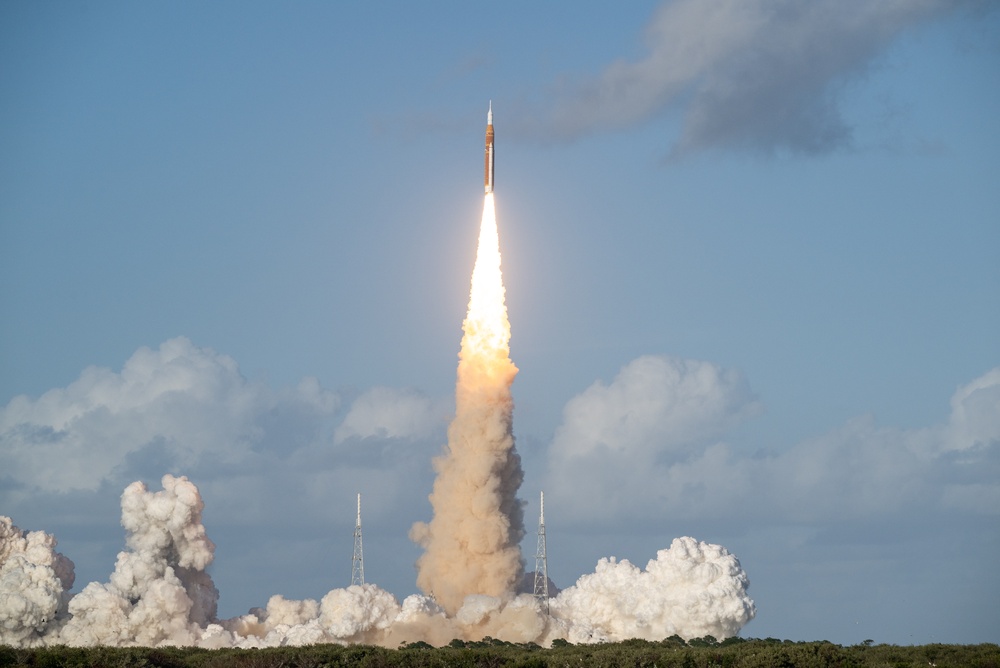
Once unloaded, the core stage does not stay idle for long. NASA teams move it into the Vehicle Assembly Building, one of the largest structures in the world by volume, where the rocket begins to take its final shape. This building has been central to every major NASA launch program since the Apollo era.
NASA confirmed the next step, stating “Teams will transport the top four-fifths of the 212-foot-long core stage, the section containing the liquid hydrogen tank, liquid oxygen tank, intertank, and forward skirt, on Tuesday, April 28 to NASA’s Vehicle Assembly Building to join the previously delivered boat-tail and engine section in the facility’s High Bay 2 for outfitting and vertical integration to complete the full stage.”
Inside High Bay 2, engineers will connect the newly arrived structure with the engine section, then begin installing internal systems, wiring, and avionics. The process is slow, deliberate, and heavily monitored, because once the rocket is fully assembled, there is no room for error.
This stage of work transforms separate components into a single launch-ready system, bringing Artemis III significantly closer to its mission phase.
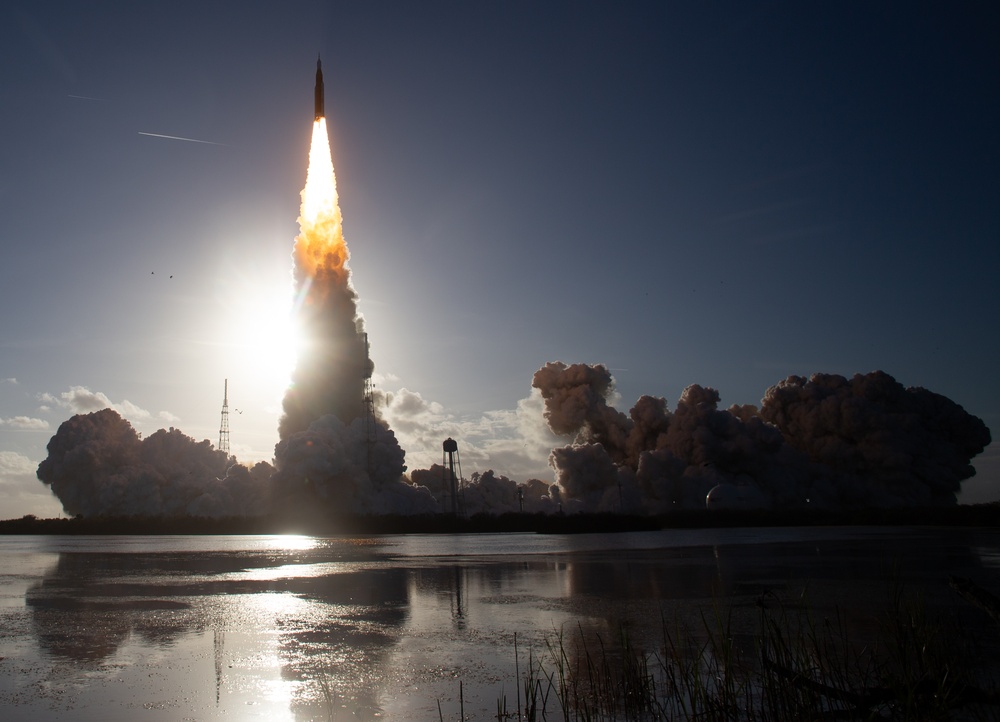
Artemis III Is Focused on Testing Before Humans Return to the Moon
Despite the excitement around Artemis III, this mission will not land astronauts on the Moon. Instead, it plays a critical role in testing the systems required for future landings, particularly how spacecraft interact with each other in orbit.
NASA described the mission’s purpose clearly: “Artemis III will launch crew aboard the Orion spacecraft on top of the SLS rocket to test rendezvous and docking capabilities between Orion and commercial spacecraft needed to land astronauts on the Moon.”
This means astronauts will travel into Earth orbit and perform complex maneuvers with other spacecraft, including vehicles built by commercial partners. These tests are essential because future Moon landings will rely on multiple spacecraft working together rather than a single direct descent system.
The mission focuses on precision, timing, and coordination in space, ensuring that every docking sequence and transfer operation works exactly as planned before attempting a lunar landing.
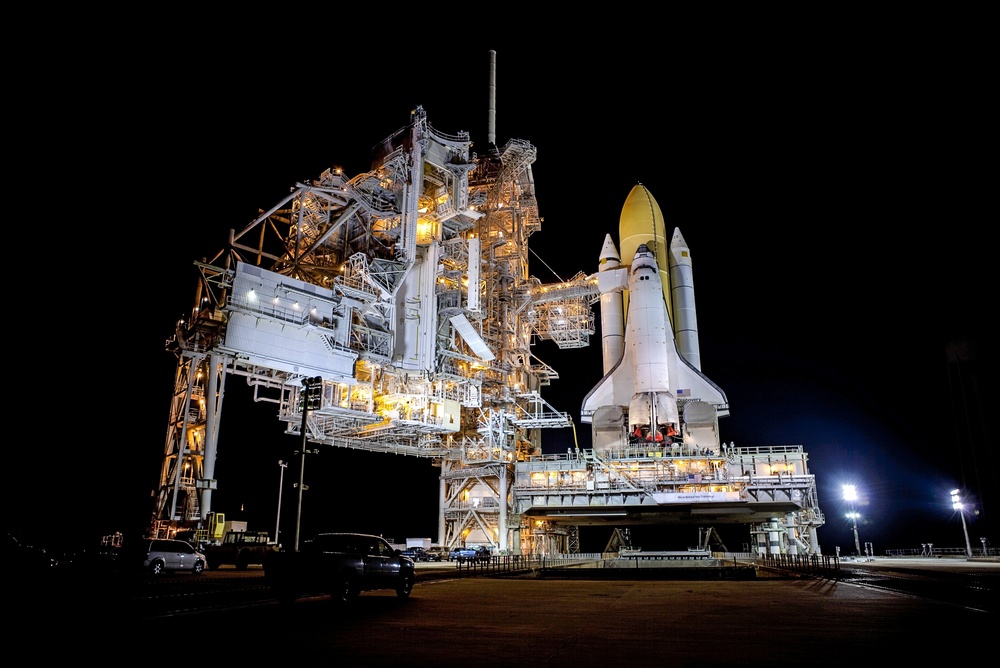
The Timeline Shift Reflects Bigger Challenges Behind the Scenes
NASA had originally aimed for a mid-2027 launch for Artemis III, but that schedule has now shifted toward later in the year. The change reflects the complexity of coordinating multiple spacecraft systems, many of which are still in development.
Private partners are building key elements of the mission, including lunar landers that must be ready and fully tested before Artemis III can achieve its objectives. That introduces dependencies that go beyond NASA’s direct control, adding layers of technical and scheduling challenges.
Delays in testing or certification of these systems ripple across the entire timeline. Every component must align perfectly, not just within NASA’s own hardware, but across multiple organizations working toward the same mission.
The result is a slower but more cautious approach, focused on ensuring that when the mission does launch, every system is ready.
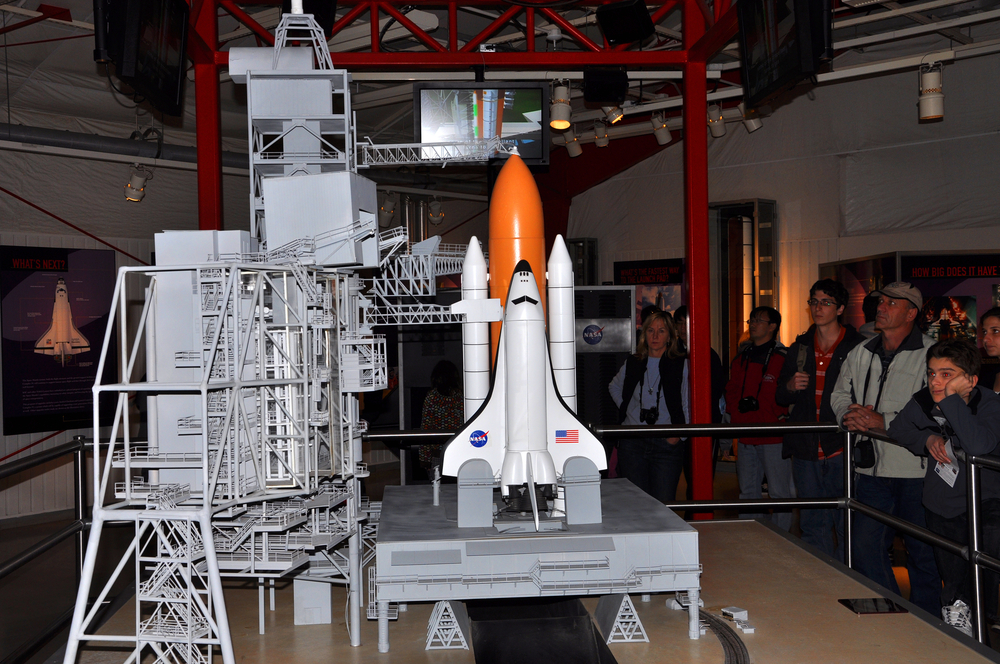
Artemis II Set a New Benchmark for Human Spaceflight
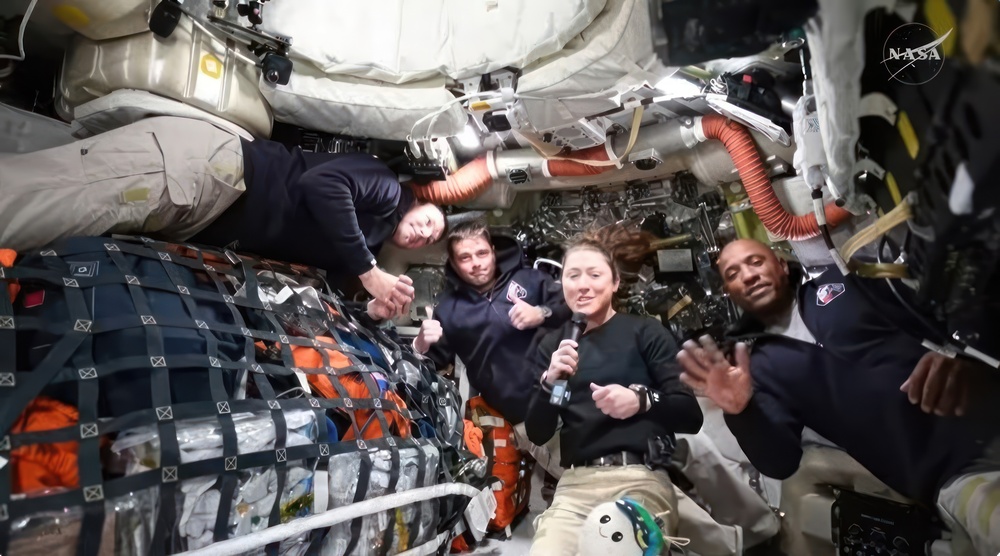
Before Artemis III could move forward, Artemis II had to prove that NASA could safely send astronauts beyond Earth orbit again. That mission successfully carried four astronauts on a journey around the Moon, marking the first crewed deep-space mission since the Apollo era.
The flight reached distances exceeding 250,000 miles from Earth and tested critical systems inside the Orion spacecraft, including life support and navigation in deep space conditions.
These results gave NASA the confidence to proceed with Artemis III, knowing that the core systems required for human spaceflight beyond low Earth orbit are functioning as expected.
Artemis II did not just demonstrate capability. It reset expectations for what modern crewed missions can achieve after decades of operating closer to Earth.
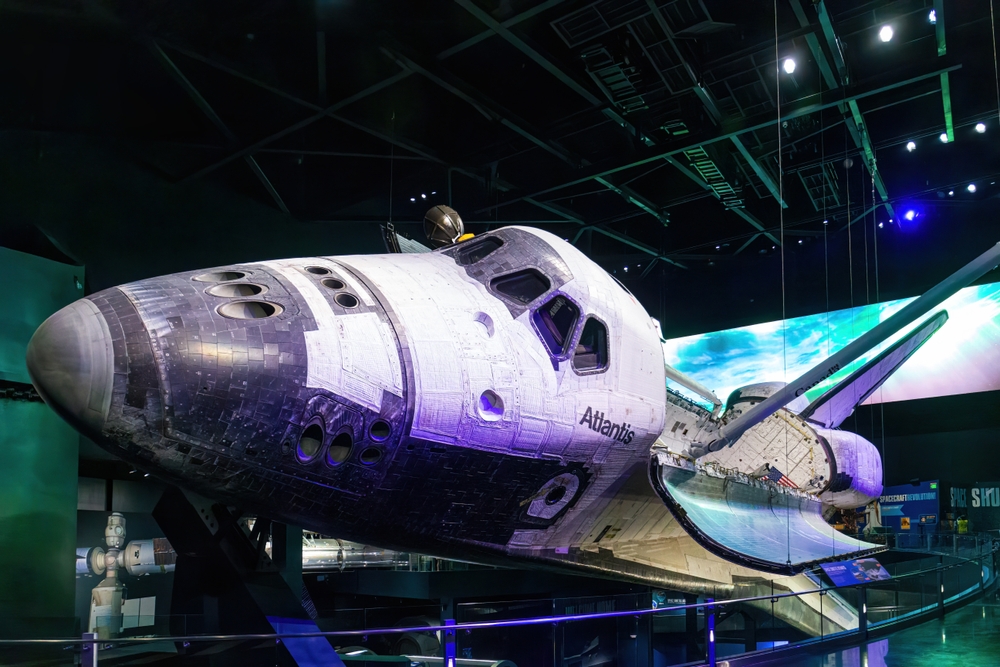
What Happens After Artemis III
The success of Artemis III will directly influence the next phase of lunar exploration. Artemis IV is expected to attempt a full Moon landing, potentially as early as 2028, using the systems tested during Artemis III.
That mission would mark the first human return to the lunar surface since 1972, opening the door for longer stays and more advanced exploration strategies. NASA’s long-term goal extends beyond brief visits, focusing on building a sustainable presence on and around the Moon.
Each mission builds on the last, turning individual milestones into a broader exploration strategy that includes lunar orbit stations, surface habitats, and future missions deeper into space.
A Quiet Arrival That Signals Something Much Bigger
The arrival of the Artemis III core stage may not look dramatic, but it represents a shift from planning to execution at a scale few programs attempt. Massive hardware is moving into place, and the rocket that will carry astronauts into this next phase is starting to take shape in real time.
Every bolt tightened and every system tested inside the Vehicle Assembly Building brings the mission closer to reality. The process is slow for a reason, because once this rocket leaves the ground, there is no second attempt mid-flight.
This single delivery marks a point where preparation turns into commitment. The path back to the Moon is no longer theoretical. It is being assembled, piece by piece, inside one of the most iconic buildings in spaceflight history.