
Your cart is currently empty!
Scientists Reveal Why Rainwater May No Longer Be Safe to Drink
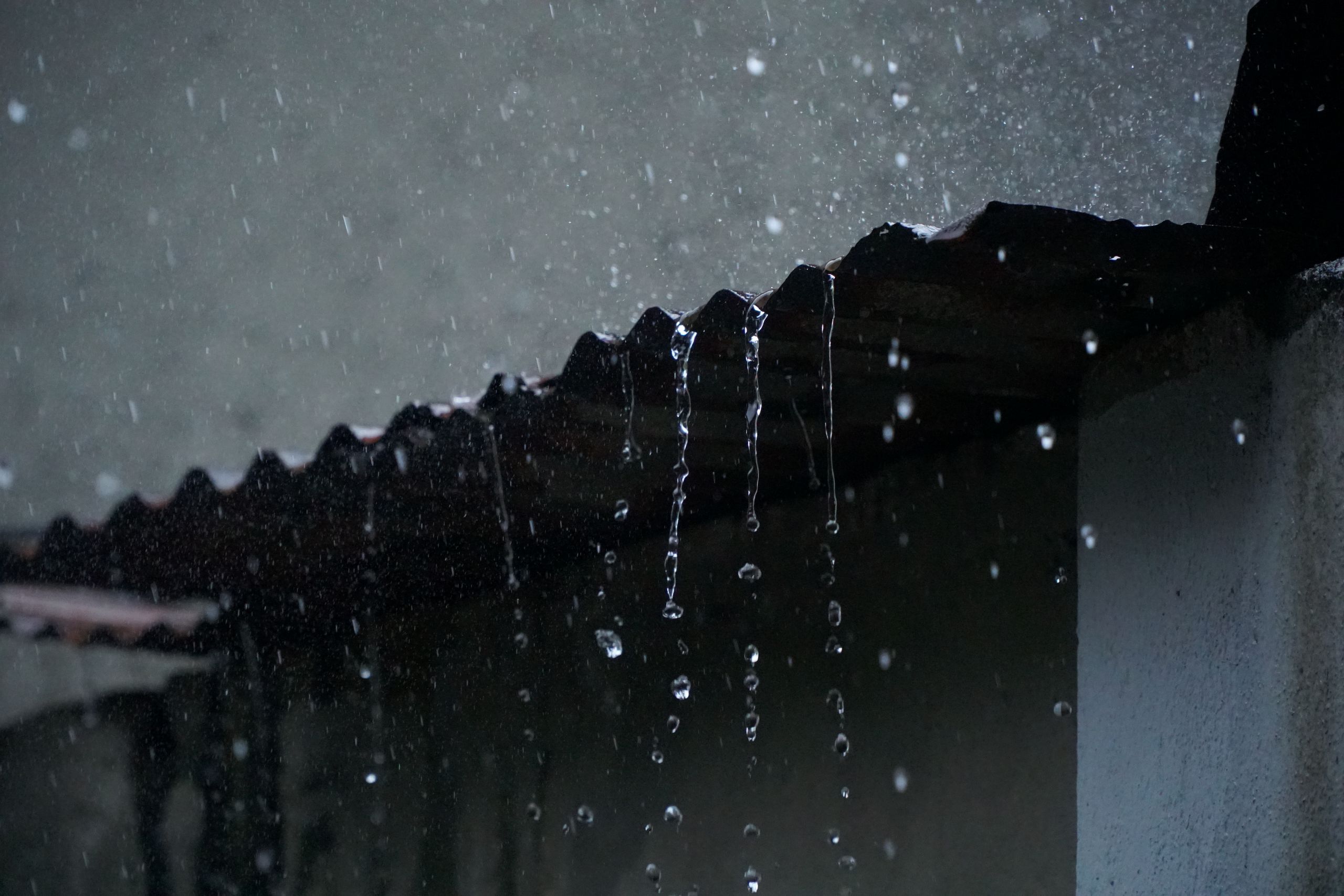
Something as ordinary as catching raindrops on your tongue could expose you to chemicals that scientists increasingly worry about. Research from Stockholm University has found that PFAS, widely known as “forever chemicals,” are so widespread that rainwater in many parts of the world exceeds current drinking-water safety guidelines.
Contents
show
The findings are particularly concerning because these synthetic substances have been detected in remote environments, including Antarctica. Their persistence in the environment raises difficult questions about drinking-water safety, the long-term consequences of industrial pollution, and whether existing measures can keep pace with contamination that travels across the globe.
Scientists Say Rainwater Faces a Widespread Contamination Problem
Researchers at Stockholm University investigated the presence of per- and polyfluoroalkyl substances, commonly known as PFAS, in rainwater and other environmental sources. These human-made chemicals are used in numerous products because they resist water, grease and stains, making them useful for everything from food packaging to specialized industrial applications.
However, the properties that make PFAS useful have also created a significant environmental challenge. Many of these substances break down extremely slowly, allowing contamination to persist long after the chemicals have been released.
Ian Cousins, a professor in Stockholm University’s Department of Environmental Science and the lead author of the research, highlighted how dramatically drinking-water guidelines have changed as scientists have learned more about PFAS toxicity.
“There has been an astounding decline in guideline values for PFAS in drinking water in the last 20 years,” Cousins said.
One example involves perfluorooctanoic acid, or PFOA, a PFAS compound associated with serious health concerns. According to the research, the US drinking-water guideline value for PFOA has declined by 37.5 million times over approximately two decades.
Cousins explained the implications of the latest US guidelines, saying, “Based on the latest US guidelines for PFOA in drinking water, rainwater everywhere would be judged unsafe to drink.”
That statement illustrates the extent of the concern, although it does not mean every raindrop contains the same concentration of chemicals or that all rainwater presents an identical level of risk. The research highlights how widespread PFAS contamination has become relative to increasingly stringent drinking-water standards.
What Are Forever Chemicals and Where Are They Used?

PFAS are a large family of synthetic chemicals developed for their ability to resist heat, water, grease and other forms of degradation. Their distinctive chemical structures make many of them unusually persistent in natural environments, earning them the nickname “forever chemicals.”
Manufacturers have used different PFAS compounds in consumer products and industrial processes for decades. Some applications involve coatings that prevent food from sticking to cookware, while others use water-resistant treatments or materials designed to withstand demanding conditions.
Everyday products that have used certain PFAS include:
- Nonstick cookware: Some coatings use PFAS to help prevent food from sticking to cooking surfaces.
- Food packaging: Certain grease-resistant paper and cardboard products have contained these chemicals.
- Waterproof clothing: Some fabric treatments use PFAS to repel water and stains.
- Cosmetics: Particular formulations have included PFAS to achieve specific product properties.
- Electronics: Various industrial and electronic applications have relied on selected PFAS compounds.
- Firefighting foams: Certain specialized foams have contained PFAS for suppressing fuel fires.
The presence of PFAS varies between products, and not every item in these categories necessarily contains them. Nevertheless, their extensive historical use has created numerous opportunities for the chemicals to enter the environment through manufacturing, product use and waste disposal.
Their durability presents a particular problem once they escape into water, soil or air. Conventional natural processes may take a very long time to break down certain PFAS, allowing contamination to remain long after the original source has disappeared.
How Forever Chemicals Travel From Oceans Into Rain Clouds
One of the most concerning aspects of PFAS contamination is the ability of these substances to move through interconnected environmental systems. Pollution released in one location can eventually affect areas far removed from the original source.
The Stockholm University research describes how PFAS can circulate between the oceans and the atmosphere. Sea spray can carry certain contaminants into the air, while atmospheric movement can transport them over considerable distances.
These chemicals can subsequently return to the Earth’s surface through rainfall. This process helps explain why researchers have detected PFAS in remote locations, including Antarctica, where local industrial activity alone cannot explain the wider pattern of contamination.
The movement of PFAS through the atmosphere creates a challenge for communities attempting to protect their water supplies. Geographic isolation does not necessarily offer protection against pollutants capable of travelling through air currents and returning to the ground with precipitation.
Rainwater can also collect contaminants from surfaces after reaching the ground. Roofs, gutters and storage containers may introduce additional substances into collected water, depending on their materials and condition.
For people who rely on rainwater for drinking, these findings raise concerns about a resource that can appear clean while containing chemicals that cannot be identified through sight, taste or smell.
Drinking-Water Safety Limits Have Changed Dramatically

The research examined several commonly studied PFAS compounds, including PFOA, PFOS, PFHxS and PFNA. Researchers compared their concentrations in environmental sources such as rainwater, soil and surface water.
The findings indicated that levels of certain compounds, particularly PFOA and PFOS, frequently exceeded relevant drinking-water guideline levels. The results illustrate how environmental contamination can become a public health concern when scientific assessments lead authorities to adopt stricter limits.
Drinking-water guidelines are designed to help limit exposure to substances that may cause harm. They are not identical across all countries, and regulatory agencies may adopt different thresholds based on their scientific assessments and public health objectives.
The reported change in the US guideline for PFOA demonstrates the scale of this shift. As evidence concerning potential health effects has developed, regulators have substantially lowered the concentrations considered acceptable in drinking water.
However, exceeding a guideline does not automatically mean that a person will become ill after drinking the water once. Health risks depend on the chemical involved, the concentration, the duration of exposure and other individual factors.
The distinction matters because the research addresses environmental contamination and the difficulty of meeting current standards. It does not establish that every rainfall contains identical concentrations or that every person exposed to PFAS will experience adverse health effects.
Even with those qualifications, the widespread presence of persistent chemicals creates a difficult challenge for water providers. If a source exceeds the applicable safety limits, treatment may be needed before the water can be considered suitable for drinking under those standards.
What Scientists Know About the Potential Health Risks

Researchers have investigated PFAS exposure for decades because certain compounds have been associated with several adverse health outcomes. Evidence varies across the broader PFAS family, meaning findings about one substance should not automatically be applied to every chemical in the group.
Studies have linked exposure to certain PFAS with effects involving the immune system, reproductive health and child development. Research has also raised concerns about the relationship between some compounds and particular cancers.
The potential health effects reported in scientific research include:
- Immune system changes: Exposure to certain PFAS has been associated with altered immune responses, including reduced antibody responses to some vaccines.
- Reproductive health concerns: Research has identified associations between certain PFAS exposures and fertility-related effects.
- Developmental effects: Some studies have linked exposure during pregnancy or childhood with adverse developmental outcomes.
- Cancer risk: PFOA has been classified as carcinogenic to humans by the International Agency for Research on Cancer.
- Other health effects: Scientists continue to investigate potential associations involving metabolic health and other bodily systems.
These findings warrant attention, but they need to be interpreted carefully. An association between a chemical exposure and a health outcome does not always establish direct causation, and the strength of evidence differs between compounds and conditions.
Exposure levels also matter. A person’s potential risk depends on how much of a particular chemical enters the body, how frequently exposure occurs and how long it continues.
The concern surrounding PFAS is partly driven by their persistence and widespread distribution. Repeated exposure through drinking water and other sources can make it difficult to avoid certain compounds entirely, particularly in areas where contamination affects several environmental pathways.
Why Removing PFAS From Drinking Water Is So Difficult

Treating water contaminated with PFAS can require specialized equipment and substantial investment. Technologies such as activated carbon, ion exchange and certain membrane filtration systems can reduce concentrations of some PFAS, although their effectiveness depends on the specific chemicals and treatment conditions.
These systems also require appropriate maintenance and monitoring. A treatment method that performs well for one compound may be less effective for another, so selecting a suitable system depends on the contamination profile and the quality standards that must be met.
There is another complication. Removing PFAS from water does not necessarily destroy the chemicals themselves. Treatment can concentrate contaminants into filters, membranes or waste streams that must then be managed carefully.
The researchers have warned that bringing contaminated drinking water within current safety guidelines could involve substantial costs for water treatment facilities. Those costs may create particular difficulties for communities with limited resources or few alternative water supplies.
Jane Muncke, managing director of the Food Packaging Forum Foundation in Zurich, Switzerland, has argued that industries producing and using these chemicals should pay for the pollution they create.
“The vast amounts that it will cost to reduce PFAS in drinking water to levels that are safe based on current scientific understanding need to be paid by the industry producing and using these toxic chemicals,” Muncke said.
She also emphasized the urgency of addressing the problem, stating, “The time to act is now.”
Her comments reflect a broader debate about environmental responsibility. When persistent pollutants spread beyond their original sources, communities and water utilities can face significant expenses even if they played no role in producing the chemicals.
Preventing unnecessary releases could therefore reduce both future contamination and the financial burden of cleaning up existing pollution.
What People Who Collect Rainwater Need to Know

Rainwater harvesting provides an important source of water for households and communities around the world. Some people use collected rainfall to supplement municipal supplies, while others depend on it for drinking, cooking and everyday household needs.
The research does not mean that every collected rainwater supply contains the same concentration of PFAS. Water quality varies with local environmental conditions, contamination sources and collection methods.
However, the findings show why clear appearance alone cannot establish that rainwater is safe to drink. PFAS cannot reliably be detected by looking at water, smelling it or tasting it.
People who depend on collected rainwater can take several practical steps to reduce uncertainty about their water supply.
First, check whether local public health or environmental authorities have issued guidance about PFAS contamination. Local information can help identify known risks and determine whether testing or alternative water supplies may be necessary.
Second, consider laboratory testing where PFAS contamination is a concern. Testing can identify specific compounds and help establish whether their concentrations exceed relevant drinking-water guidelines.
Third, understand the capabilities of any water treatment system before relying on it. Some filters can reduce certain PFAS, but ordinary household filtration does not necessarily remove every compound. Boiling water is also not a reliable method of removing PFAS.
Finally, people who rely on rainwater for drinking should consider a verified safe alternative if contamination is suspected and suitable treatment is unavailable. The appropriate response depends on local conditions and the results of testing, rather than assumptions based on how clean the water looks.
The Fight Against Forever Chemicals Starts Before Pollution Spreads
PFAS contamination presents a difficult environmental challenge because the chemicals can persist and travel far beyond their original sources. Their detection in rainwater and remote environments demonstrates the limits of relying on geography alone to protect drinking-water supplies.
The findings have strengthened calls for tighter restrictions on PFAS and greater responsibility from industries that manufacture or use them. Policymakers must weigh the functions these chemicals serve against the potential health risks, environmental persistence and cost of cleaning contaminated water.
For communities that depend on rainwater, the immediate priority is understanding the quality of their supply and using appropriate testing and treatment where necessary. For governments and industries, preventing further pollution could help avoid years of expensive cleanup.
Rainfall remains a vital part of the planet’s natural water cycle, but its presence does not guarantee drinking-water safety. Protecting that water will require decisions made long before the next storm arrives.