
Your cart is currently empty!
Scientists Reversed Signs of Aging in Mice in Just 30 Days by Targeting a Brain Protein
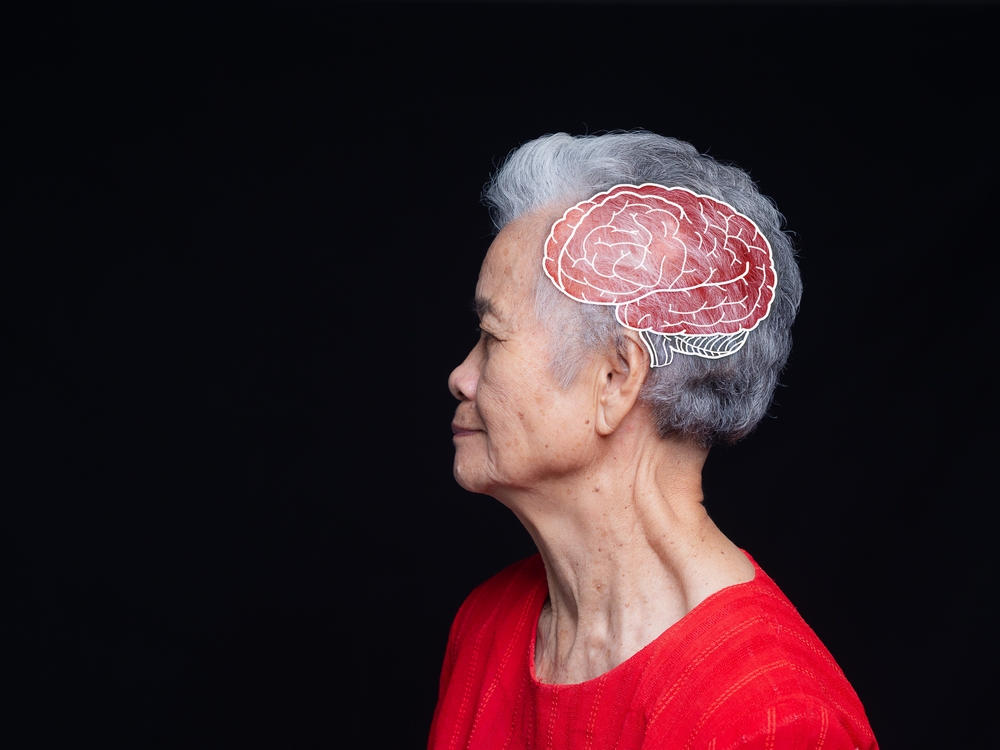
Scientists investigating why the body ages have uncovered a surprising clue inside the brain. By restoring a protein called Menin in older mice, researchers reversed several age-related changes in just 30 days, including problems with memory, balance, bone mass, and skin thickness. The findings suggest that certain biological processes associated with aging may be more responsive to intervention than scientists once thought, although the experiments have not established that the same results can be achieved in humans.
Contents
show
The research, published in PLOS Biology in March 2023, also uncovered another unexpected result. Older mice that received the amino acid D-serine performed better on learning and memory tests after three weeks. The discovery has drawn attention to the relationship between brain chemistry and aging throughout the body, raising questions about whether targeting specific brain pathways could eventually help protect cognitive function as people grow older.

The Brain Protein That Appears to Influence Aging
At the center of the discovery is Menin, a protein involved in regulating gene activity and controlling inflammation. The researchers, led by Lige Leng at Xiamen University in China, investigated its role in the hypothalamus, a small region near the base of the brain that regulates essential functions such as sleep, hunger, metabolism, body temperature, and hormone production. Because these processes influence multiple organs, changes in the hypothalamus can have consequences that extend well beyond the brain itself.
The team found that Menin levels gradually declined with age in certain hypothalamic neurons in mice. Earlier work had suggested that the protein helps restrain inflammation in this region, prompting the researchers to investigate whether its decline might contribute to physical and cognitive deterioration. They discovered that reducing Menin activity increased inflammation in the hypothalamus and was associated with thinner skin, reduced bone mass, worsening cognitive performance, and modestly shortened lifespans. These results suggested that the protein could play an active role in several aging-related changes rather than simply declining alongside them.
What Happened When Researchers Restored Menin?
The scientists next investigated whether restoring Menin could improve the changes observed in older animals. Using a gene delivery technique, they increased the protein’s production in a specific area of the hypothalamus in mice around 20 months old. The intervention targeted the ventromedial hypothalamus, a region involved in regulating metabolism, energy balance, and other bodily functions.
Within 30 days, the treated mice showed improvements in several measurements of physical and cognitive health. Researchers observed thicker skin, increased bone mass, and better performance on tests involving learning, memory, and balance. They also reported reduced inflammation and improvements in certain metabolic changes associated with aging. In a separate survival analysis, mice receiving the intervention lived longer than untreated controls, although the findings do not establish how much of this effect could be reproduced in humans.
The results attracted attention because one targeted intervention appeared to influence several different aspects of aging at once. However, the treatment required gene delivery into a specific brain region, making it very different from taking a pill or dietary supplement. The experiments also do not prove that Menin is a single master switch controlling aging, since the biological processes involved are complex and affect different tissues in different ways.
A Simple Amino Acid Produced Another Surprising Result
While investigating Menin, the researchers noticed that levels of D-serine also declined when the protein’s activity decreased. D-serine is an amino acid that helps regulate NMDA receptors, specialized proteins on nerve cells that contribute to communication between neurons. These receptors play an important role in learning and memory, making D-serine a potential link between changes in the hypothalamus and worsening cognitive performance.
Further investigation revealed that Menin helps regulate PHGDH, an enzyme involved in the biochemical pathway responsible for producing serine. The researchers connected this pathway to changes in D-serine availability and found that restoring Menin increased D-serine levels in the hippocampus, a brain region essential for memory formation. This provided a possible explanation for why the Menin intervention improved cognitive performance in older mice.
What Happened After Three Weeks of D-Serine?
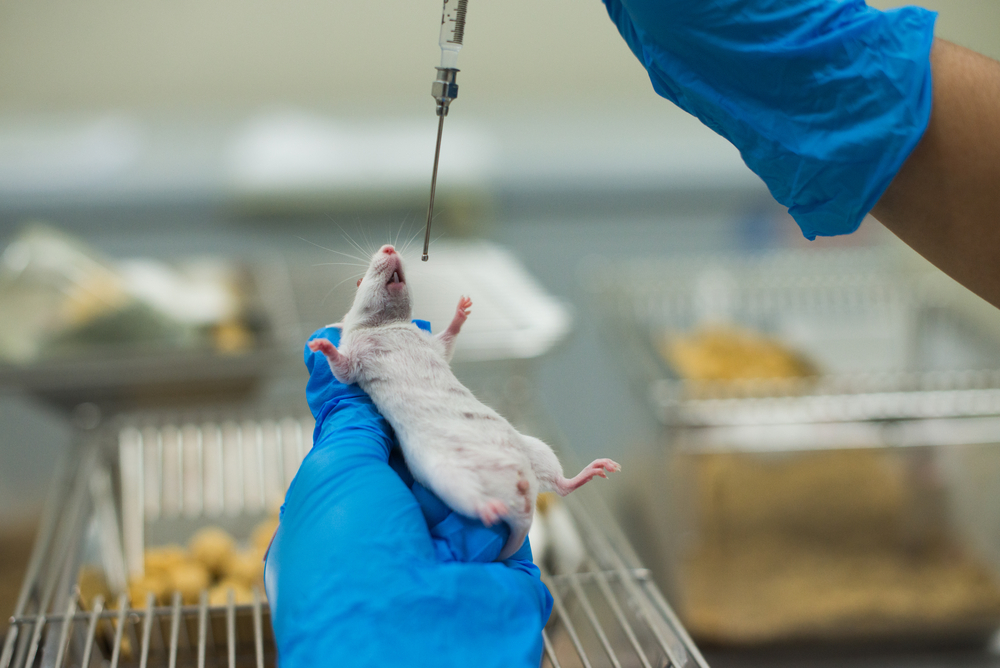
To test whether D-serine could improve memory independently of restoring Menin, the scientists gave older mice the amino acid in their drinking water for three weeks. The animals subsequently performed better on learning and memory tests. The improvement suggested that D-serine could account for at least part of the cognitive effects associated with the Menin pathway.
However, the two interventions did not produce identical results. Restoring Menin improved cognitive performance alongside measurements involving skin thickness and bone mass, while D-serine supplementation primarily improved learning and memory. The distinction suggests that Menin influences several biological processes and that D-serine may account for only one part of its effects.
D-serine should also not be confused with L-serine, the form commonly found in foods such as soybeans, eggs, fish, and nuts. Although the two amino acids are related, they have different biological roles, and eating foods containing L-serine is not equivalent to taking the D-serine used in the experiments. The mouse findings therefore do not establish that eating particular foods or taking an over-the-counter supplement can reverse aging.
Why the Results Do Not Prove D-Serine Can Prevent Memory Loss
Human research on D-serine remains limited, and the available findings do not establish that it can reliably protect against age-related cognitive decline. A small randomized clinical trial published in 2016 examined the amino acid in 50 healthy older adults. Participants performed better on one assessment involving spatial learning and problem-solving, but researchers did not find significant improvements across the other cognitive tests or mood measurements.
Further research has also shown that D-serine’s effects may depend on the biological circumstances. In an April 2025 study published in Cellular and Molecular Life Sciences, scientists investigated the amino acid in mice genetically engineered to develop features of Alzheimer’s disease. Unlike the Menin experiments, which linked reduced D-serine levels with age-related memory problems, this study found that an early increase in D-serine accompanied disruptions in brain signaling.
Removing the enzyme responsible for producing D-serine prevented or reduced several later cognitive impairments in those mice. These findings do not invalidate the earlier experiments, because the studies examined different biological conditions. Instead, they suggest that the relationship between D-serine and brain function is more complicated than simply increasing its levels. The timing of treatment, the underlying condition, and the state of the brain’s signaling systems may all influence the outcome.
Safety is another unresolved issue. High doses of D-serine have raised kidney safety concerns in animal experiments, and researchers have not established whether long-term supplementation is safe or effective for preventing memory loss in otherwise healthy people. For now, D-serine remains an experimental approach rather than a proven treatment for cognitive decline or aging.
Later Research Has Strengthened the Link Between the Brain and Aging
The Menin discovery is part of a wider effort to understand how the brain influences aging throughout the body. In 2024, researchers at Washington University School of Medicine investigated a different group of hypothalamic neurons that communicates with fat tissue. Maintaining or stimulating this pathway improved physical activity and age-related metabolic function in mice, while also extending their lifespan. The research involved a different protein and neural circuit, so it did not directly confirm the Menin findings, but it provided further evidence that communication between the hypothalamus and other tissues can influence aging.
Another 2024 study examined Menin’s protective functions in cultured hippocampal cells. Researchers found that increasing the protein helped protect the cells against inflammation and a form of programmed cell death triggered by exposure to the stress hormone corticosterone. Because these experiments were conducted in cells grown in a laboratory, they could not establish that increasing Menin would reverse aging in an entire organism. They nevertheless offered additional insight into the protein’s potential role in protecting brain cells.
In January 2025, scientists published an analysis of approximately 1.2 million mouse brain cells in Nature. The study identified groups of cells particularly sensitive to aging, including cells concentrated around the third ventricle, a fluid-filled cavity near the hypothalamus. Many aging cells showed reduced activity in genes associated with normal neuronal function and increased activity in genes linked to inflammation and immune responses. The findings highlighted the vulnerability of certain brain regions during aging without directly testing the Menin pathway.
Research published in 2026 has continued to investigate how brain activity and communication between tissues affect longevity. Separate studies have examined the role of daily biological rhythms in the hypothalamus and the effects of signals exchanged between skeletal muscles, the hypothalamus, and brown fat. These investigations point toward multiple pathways that may influence aging rather than a single protein or process responsible for the entire phenomenon.
Scientists Still Have Major Questions to Answer
Despite the encouraging findings, researchers still need to determine why Menin declines in the hypothalamus as animals age and how much of the resulting deterioration can be reversed. They also need to establish how long the improvements last and whether increasing the protein could produce unexpected effects elsewhere in the body. The original experiments provide evidence of a biological relationship, but they do not establish that targeting Menin would be safe or effective as an anti-aging treatment for people.
Leng and colleagues proposed that declining Menin could be one of the factors driving aging by connecting genetic regulation, inflammation, and metabolism. They also identified D-serine as a potential avenue for further research into cognitive decline. These interpretations reflect the researchers’ conclusions from the experiments, rather than proof that either approach is ready for clinical use.
The distinction between animal research and human medicine remains essential. Mice can help scientists identify biological mechanisms and test possible interventions, but treatments that produce measurable benefits in animals do not necessarily produce the same effects in people. Researchers would need further laboratory work, safety testing, and carefully designed clinical trials before establishing whether Menin-based interventions could offer meaningful benefits to human health.
The most striking finding is that targeting a specific brain pathway improved several age-related measurements in older mice within a relatively short period. If future research establishes that comparable mechanisms operate in humans, the discovery could help scientists develop new approaches to preserving memory and physical function with age. For now, the results offer a promising research direction, not evidence that an amino acid supplement can reverse aging.Scientists Reversed Signs of Aging in Mice in Just 30 Days by Targeting a Brain Protein
Sources:
- Leng, L., Yuan, Z., Su, X., Chen, Z., Yang, S., Chen, M., Zhuang, K., Lin, H., Sun, H., Li, H., Xue, M., Xu, J., Yan, J., Chen, Z., Yuan, T., & Zhang, J. (2023). Hypothalamic Menin regulates systemic aging and cognitive decline. PLoS Biology, 21(3), e3002033. https://doi.org/10.1371/journal.pbio.3002033
- Jin, K., Yao, Z., Van Velthoven, C. T. J., Kaplan, E. S., Glattfelder, K., Barlow, S. T., Boyer, G., Carey, D., Casper, T., Chakka, A. B., Chakrabarty, R., Clark, M., Departee, M., Desierto, M., Gary, A., Gloe, J., Goldy, J., Guilford, N., Guzman, J., . . . Zeng, H. (2025). Brain-wide cell-type-specific transcriptomic signatures of healthy ageing in mice. Nature, 638(8049), 182–196. https://doi.org/10.1038/s41586-024-08350-8