
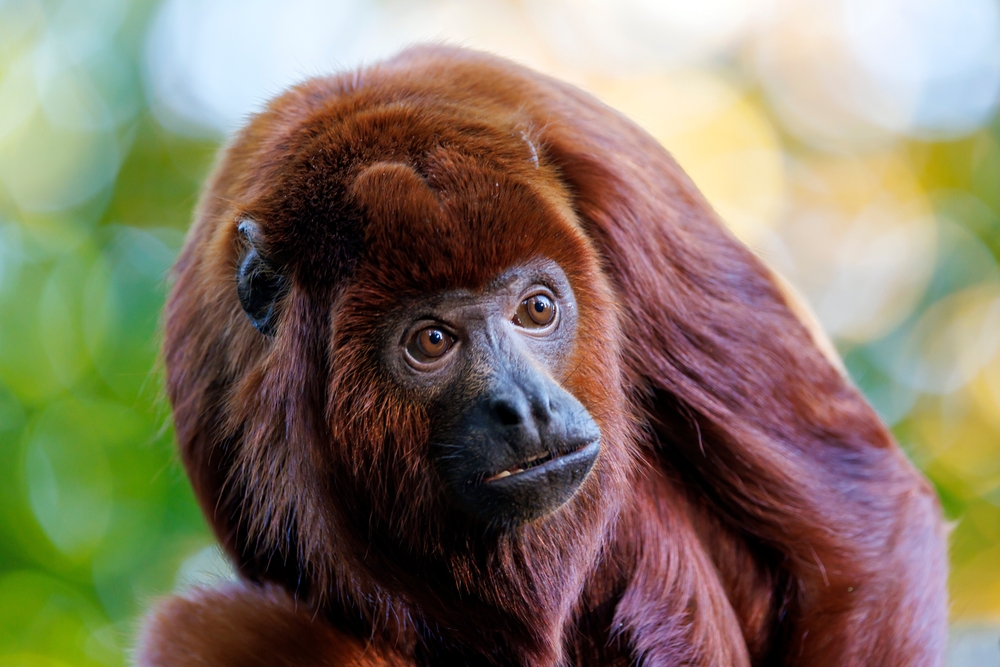
Two striking red-furred monkeys have emerged from the Amazon rainforest as scientists uncover previously unknown branches of their evolutionary history. Their discovery has expanded what researchers know about the region’s wildlife, but there is a serious problem. One of the newly identified species could already be close to extinction, while the other faces a potential threat from a planned hydroelectric dam.
The findings have raised fresh concerns about how quickly human activity could destroy animals before conservation efforts catch up. Researchers say the Amazon still contains remarkable biological secrets, even among animals scientists have studied for decades. Now, these two newly recognized primates have put the spotlight on a growing problem facing wildlife across the rainforest.
Scientists Identify Two Previously Unknown Monkey Species
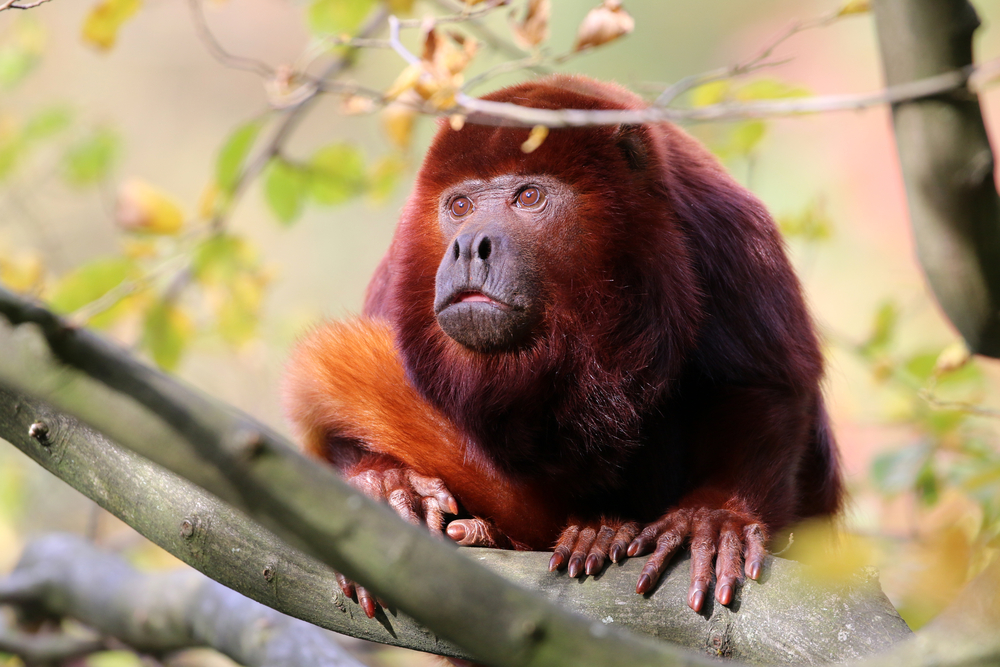
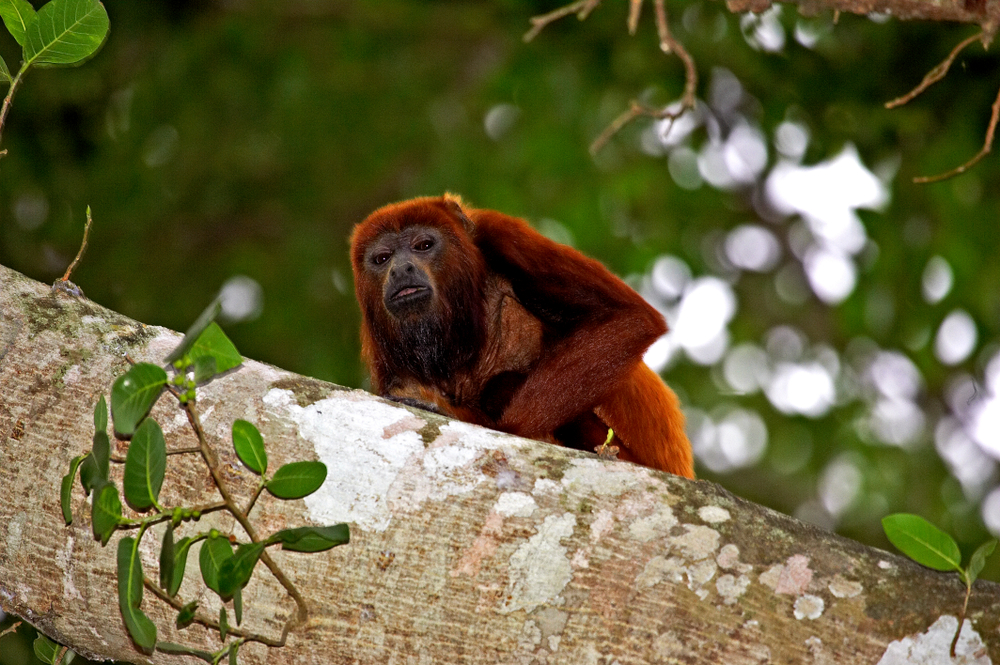
The two newly described primates are called Alouatta iroi and Alouatta matogrossensis. Both belong to the howler monkey genus, a group of primates found throughout Central and South America. Their identification brings the recognized number of howler monkey species to 16, adding two previously overlooked branches to the group’s evolutionary history. The animals have distinctive reddish fur, bushy facial hair and expressive faces that make them particularly striking.
The discoveries emerged from a genetic analysis published on October 30, 2026, in the journal Communications Biology. An international research team examined genetic information from 11 howler monkey species across South and Central America, combining existing DNA datasets with new genomic information from specimens held in Brazilian zoological collections. The researchers identified genetic differences that showed certain monkey populations represented distinct species rather than variations of already recognized animals.
Study first author Romina Batista, a biodiversity scientist at the University of Gothenburg in Sweden and the University of Salford in the United Kingdom, explained the significance of the findings. “Our study shows that the Amazon still holds remarkable biological secrets, even among well-known animals such as howler monkeys,” Batista said in a statement. The discovery demonstrates how modern genetic research can reveal previously overlooked wildlife, even among animals that have been observed and studied for generations.
However, the excitement surrounding the discovery comes with a troubling complication. One of the newly identified species could already be facing an extremely uncertain future, while the other lives in an area threatened by a major development project. Scientists have effectively uncovered two new pieces of the Amazon’s biodiversity while exposing how vulnerable their habitats have become.
One Newly Discovered Monkey Could Be Near Extinction
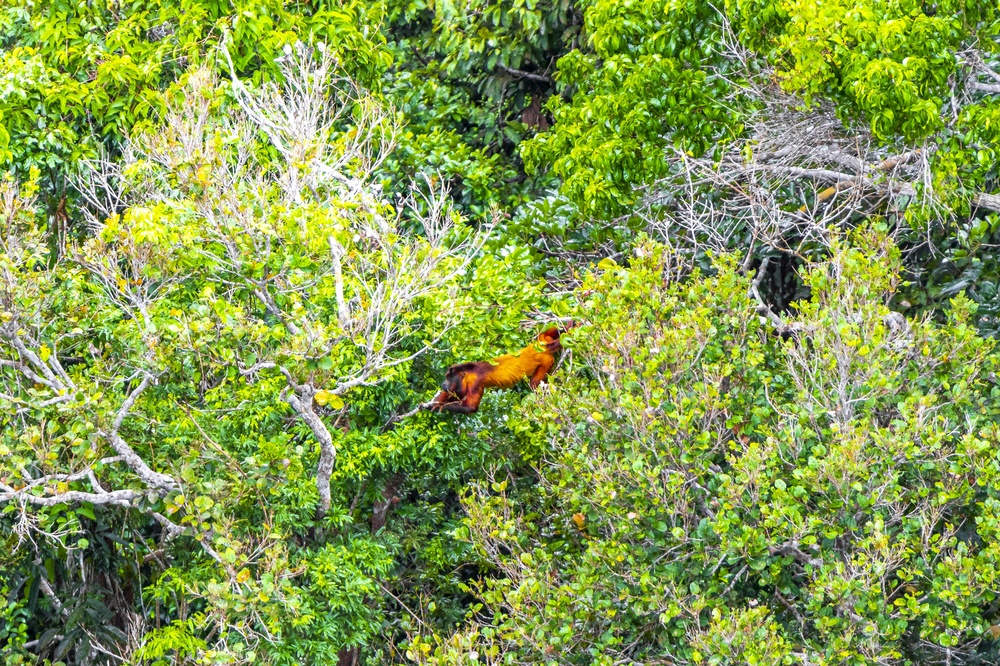
The most alarming finding concerns Alouatta matogrossensis, also known as the Mato Grosso red howler monkey. The species lives in southern Amazonia, particularly within Brazil’s Mato Grosso region, where agricultural expansion and forest destruction have placed considerable pressure on natural habitats. Researchers believe its limited distribution and deteriorating environment could leave it on the brink of extinction.
The situation is especially concerning because the monkey has only recently been formally recognized as a separate species. Its conservation needs may therefore have been overlooked while scientists classified its population alongside other howler monkeys. Recognizing it as distinct gives researchers a clearer basis for assessing its population, identifying threats and determining what protection it requires.
There is an important distinction between researchers’ warnings and an official extinction-risk classification. The species has not yet received a formal assessment from the International Union for Conservation of Nature. However, the available findings suggest it could qualify for a serious threat category, potentially including critically endangered status. Further research will be necessary to establish its population size and the precise level of danger it faces.
The discovery highlights a difficult problem for conservationists. Animals can spend years surviving in shrinking habitats before scientists realize they represent distinct species. By the time researchers identify them, their populations may already have declined significantly. For A. matogrossensis, the priority now is understanding how many individuals remain and how much suitable forest is still available to them.
The Second Monkey Faces A Potential Dam Threat
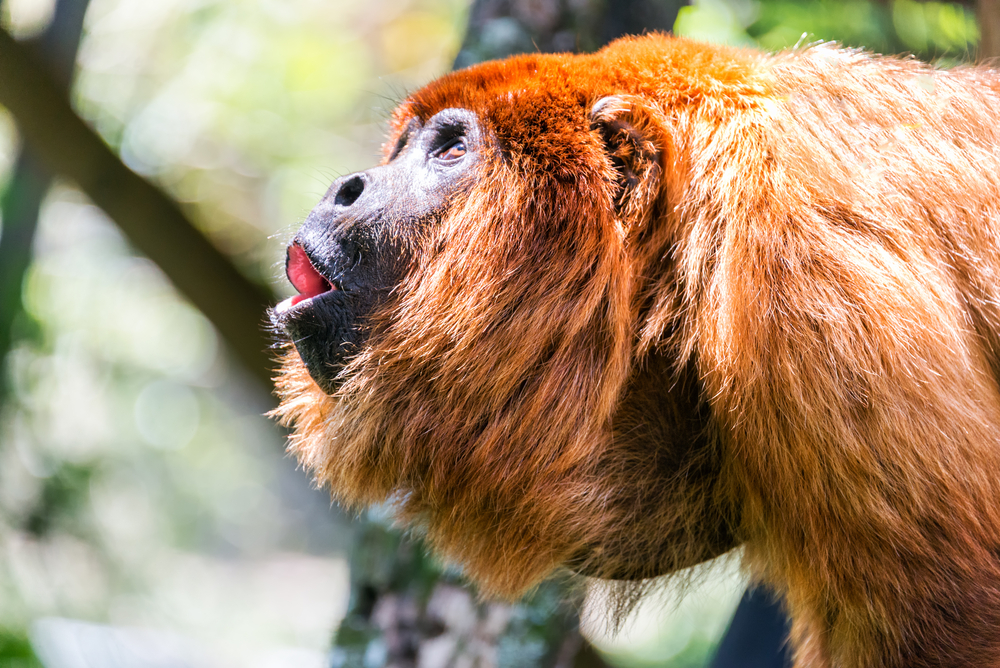
The other newly recognized species, Alouatta iroi, is also facing conservation concerns. Known as the Pantepui red howler monkey, it inhabits northwestern Amazonia, with its distribution extending across parts of Brazil, Guyana and Venezuela. Researchers identified it as a distinct genetic lineage after examining differences between populations previously grouped with other howler monkeys.
Its habitat faces a potential threat from a planned hydroelectric development on the Rio Branco River. The proposed Bem Querer hydroelectric dam has raised concerns about the effects of large-scale infrastructure development on wildlife populations living in the surrounding region. Researchers have identified the project as a potential threat to A. iroi and its close relative, Alouatta macconnelli.
Hydroelectric developments can transform river systems and surrounding landscapes. Depending on their location and design, projects can flood forest areas, change natural water flows and disrupt habitats used by wildlife. These changes can become especially serious for species with restricted geographical distributions because they may have fewer alternative places to live.
The situation means both discoveries come with separate conservation challenges. A. matogrossensis faces pressure from habitat destruction and agricultural expansion, while A. iroi could be affected by a proposed infrastructure project. Identifying these animals gives scientists an opportunity to examine their needs before further environmental changes make their survival even more difficult.
How Rivers Helped Create Different Monkey Species
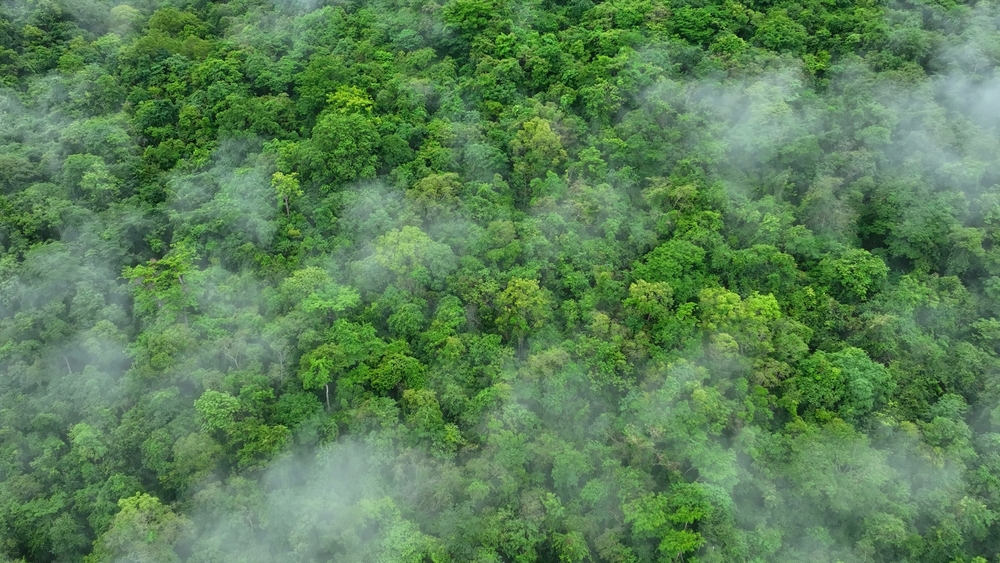
One of the most fascinating parts of the research concerns the Amazon’s enormous river systems. Scientists found that major waterways helped shape howler monkey evolution over millions of years by separating populations that would otherwise have had opportunities to interact. Rivers including the Amazon, Xingu and Branco created geographical barriers that encouraged different groups to develop independently.
Researchers believe howler monkeys can swim across smaller waterways, but large rivers can prevent populations from regularly mixing. When groups become isolated, they experience different environmental conditions and accumulate genetic differences over generations. Eventually, these changes can become substantial enough for scientists to recognize separate species.
This process is known as allopatric speciation. It occurs when geographical barriers divide populations of the same species, restricting reproduction between them. Over long periods, isolated populations can develop distinct genetic characteristics and evolutionary paths. The Amazon’s rivers have played an important role in creating the conditions for this process among several groups of wildlife.
The research identified several geographical factors that can influence how animal populations evolve:
- Major rivers: Large waterways can separate populations and restrict genetic exchange between groups.
- Forest boundaries: Different habitat conditions can isolate animals and limit their movement.
- Savanna landscapes: Open areas between forest regions can influence where populations establish themselves.
- Geographical distance: Separated groups have fewer opportunities to reproduce with one another.
- Environmental changes: Shifting landscapes can influence how populations spread and evolve over generations.
For howler monkeys, these natural barriers have helped create the remarkable diversity found across Central and South America. A river that appears to be a single geographical feature on a map can represent a major evolutionary boundary for animals living beneath the forest canopy.
Genetic Research Has Changed The Howler Monkey Family Tree
The study also changes how scientists understand relationships between several existing howler monkey species. Researchers estimated that howler monkeys diverged from close relatives between 19 million and 13.5 million years ago. Their genetic analysis also revealed that some populations previously considered closely related may have different evolutionary histories.
For example, the Tapajós red-handed howler, Alouatta tapajozensis, and the Amazonian black howler, Alouatta nigerrima, were found to be less closely related than scientists had previously thought. The researchers also supported recognizing the Trinidad howler, Alouatta insulanus, as a separate species. Its classification had remained uncertain, making the genetic findings particularly useful for understanding the group’s diversity.
These results demonstrate why genetic research has become such an important tool in modern wildlife science. Animals can share similar physical characteristics while carrying significant differences in their genetic makeup. Traditional classification methods sometimes struggle to distinguish closely related populations, especially when their appearances overlap.
Historical zoological collections also played an important role in the investigation. Researchers examined specimens preserved in Brazilian collections and combined this material with modern genomic information. Such collections can provide valuable evidence about animals that scientists may not have been able to study extensively in their natural habitats. In this case, previously collected specimens helped reveal new information about the evolutionary relationships between howler monkeys.
Deforestation Is Putting Amazonian Wildlife Under Pressure
The discovery arrives amid growing concerns about the condition of Amazonian forests. Deforestation, agricultural expansion, habitat fragmentation and climate change are placing pressure on wildlife across the region. For A. matogrossensis, the condition of its habitat is particularly concerning because the species occupies areas affected by extensive land-use changes.
Forests in Mato Grosso have experienced significant pressure from agricultural activities, including soybean production and cattle ranching. As land is cleared, continuous forest habitats become divided into smaller patches. Animals that once moved through connected areas may find themselves isolated, with fewer opportunities to find food, shelter and suitable breeding partners.
Habitat fragmentation can create several serious problems for wildlife populations:
- Reduced habitat: Forest clearance leaves fewer suitable areas for monkeys to feed and live.
- Population isolation: Roads and cleared land can separate groups that previously interacted.
- Road fatalities: Animals crossing roads risk being struck by vehicles.
- Reduced genetic exchange: Fragmented populations may have fewer opportunities to reproduce with other groups.
- Greater vulnerability: Small isolated populations can face increased risks from environmental disturbances.
Study co-author Jean Boubli, a professor and chair of primate ecology and evolution at the University of Salford, warned about the timing of the discovery. “This discovery comes at a critical time, as increasing deforestation, climate change and habitat loss threaten many Amazonian species before they are fully understood or even discovered by science,” Boubli said.
His warning highlights a challenge facing researchers and conservation organizations. Protecting wildlife requires accurate information about which species exist, where they live and how their populations are changing. When animals remain scientifically unrecognized, conservation planning can overlook their specific needs.
An Existing Conservation Project Is Already Helping One Species
There is some encouraging news involving Alouatta matogrossensis. Researchers have documented the newly recognized monkeys using artificial canopy bridges installed in Brazil. These structures allow wildlife to cross roads through elevated pathways that connect separated sections of forest. The bridges form part of an initiative associated with the Reconecta Project, which works to improve connectivity for animals living in fragmented landscapes.
One photograph from the research showed a female carrying an infant across an artificial canopy bridge. The image provides a striking example of how conservation infrastructure can help wildlife move through areas affected by human development. Such structures offer animals an alternative to descending to the ground when crossing roads or moving between disconnected forest patches.
Canopy bridges are particularly useful for arboreal animals, which spend much of their lives in trees. Roads and cleared areas can interrupt their usual routes, forcing them to travel through unfamiliar or dangerous environments. Elevated crossings help reconnect parts of the forest canopy and reduce the need for animals to move directly across traffic routes.
The bridges can also help researchers monitor wildlife movement. Cameras installed near these structures provide evidence of which species use them and how frequently animals cross. In this case, monitoring efforts contributed to documenting the newly identified monkey, connecting an existing conservation initiative with an important scientific discovery.
The Amazon Still Holds Wildlife Scientists Have Yet To Discover
The identification of Alouatta iroi and Alouatta matogrossensis has expanded the recognized diversity of howler monkeys and changed parts of their evolutionary family tree. However, the findings also raise questions about how many other animal populations remain scientifically undocumented across the Amazon. Its enormous forests, isolated habitats and complex river systems provide countless opportunities for wildlife populations to evolve separately.
The researchers’ findings also demonstrate why conservation assessments need accurate information about species distribution. Without knowing which animals inhabit a particular region, it becomes harder to understand the consequences of deforestation and large development projects. Newly recognized species may require protection that existing conservation plans have not yet considered.
Further research will be needed to establish the population sizes, geographical ranges and conservation status of both monkeys. The potential threats facing them also need careful attention, particularly where forest destruction and infrastructure development could permanently alter their habitats. Their recent identification gives scientists an opportunity to gather that information and develop more targeted conservation measures.
The Amazon has revealed two more of its remarkable inhabitants, but their discovery comes with a warning that cannot be ignored. A species can evolve over millions of years and remain hidden in the rainforest, only to face extinction before humanity fully understands what it has found.
Sources:
- Batista, R., Semedo, T. B. F., Beck, R. M. D., Bittencourt, P. S., Ceríaco, L. M. P., Cuadros-Espinoza, S., Da Silva, M. N. F., De Melo, F. R., Deo, R. N., De Vries, D., Farh, K. K., Farias, I. P., Gibson, M. C., Goodhead, I., Gubili, C., Hermosilla-Albala, N., Hrbek, T., Janiak, M. C., Kuderna, L. F. K., . . . Boubli, J. P. (2026). Genome-wide analyses reveal recent diversification and hidden diversity in Amazonian howler monkeys, including two new species. Communications Biology. https://doi.org/10.1038/s42003-026-11187-8
- The University of Salford. (2026, November 4). Scientists discover two new species of howler monkey. University of Salford. https://www.salford.ac.uk/news/scientists-discover-two-new-species-of-howler-monkey?