
Your cart is currently empty!
Thailand Just Uncovered The Largest Dinosaur Ever Found In Southeast Asia
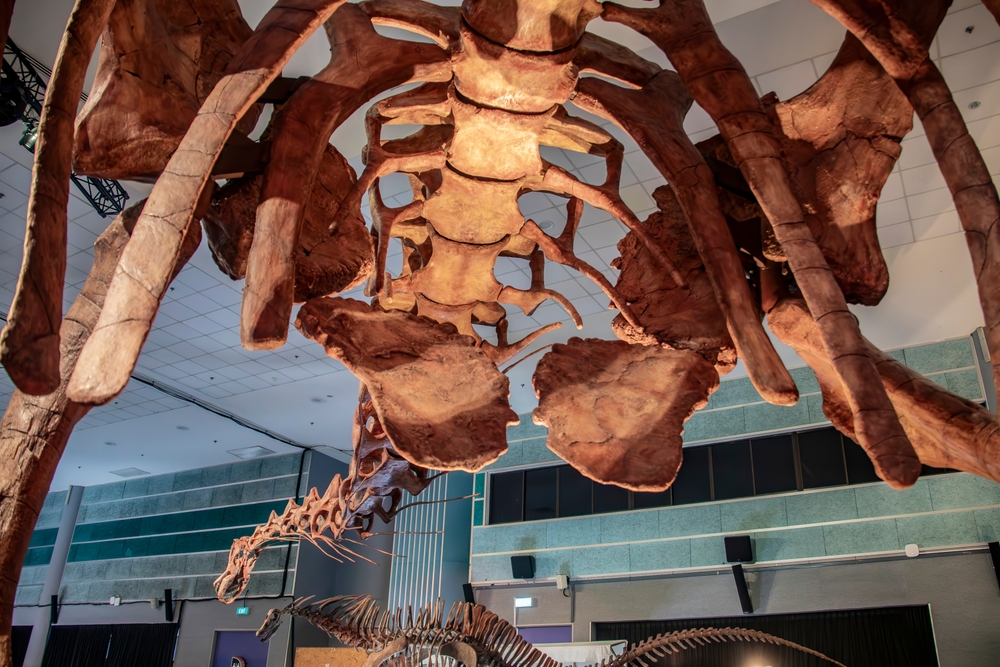
A giant dinosaur bone sticking out from rocks beside a pond in northeastern Thailand has led researchers to one of the biggest prehistoric discoveries the region has ever seen. Scientists now say they’ve identified the largest long necked herbivorous dinosaur ever discovered in Southeast Asia, a towering creature so enormous that researchers estimate it weighed around 27 tons when it roamed the Earth more than 100 million years ago. The dinosaur has now been officially named Nagatitan chaiyaphumensis, and researchers believe it may represent the final giant dinosaur species Thailand will ever uncover from younger rock formations.
Contents
show
What makes the discovery even more remarkable is how unexpectedly it unfolded. Locals in Thailand’s Chaiyaphum province first spotted the fossils back in 2016 after noticing unusual bones embedded in rock near the edge of a pond. Excavation teams later uncovered massive remains, including a front leg bone nearly six feet long. Lead researcher Thitiwoot Sethapanichsakul admitted the size stunned him immediately. “In fact, when I first saw the specimen, the kind of front leg bone is actually taller than me, which is quite surprising,” he said.
A giant new dinosaur species has been identified from fossils discovered in Thailand.
— Nature is Amazing ☘️ (@AMAZlNGNATURE) May 14, 2026
Named the “Nagatitan,” it is believed to be the largest dinosaur ever found in Southeast Asia, weighing around 27 tonnes and stretching nearly 27 meters long. Scientists say this dino lived… pic.twitter.com/rPwDGNiE0f
The Dinosaur Was Unlike Anything Previously Found in Southeast Asia
Scientists say the dinosaur lived during the Cretaceous period roughly 100 to 120 million years ago, when prehistoric Thailand looked dramatically different from today. The region once supported dense ecosystems filled with massive reptiles, ancient waterways, and enormous plant eating dinosaurs that moved across the landscape in herds.
Researchers quickly realized the fossils belonged to something far larger than any dinosaur species previously documented in Southeast Asia. Based on the recovered remains, they estimate Nagatitan chaiyaphumensis weighed approximately 27 tons, making it more than twice the size of an African elephant, the world’s largest living land animal.
“This dinosaur is very unique for us, especially in Southeast Asia, because of its size,” Sethapanichsakul explained. “It is massive in comparison to what we currently know of.”
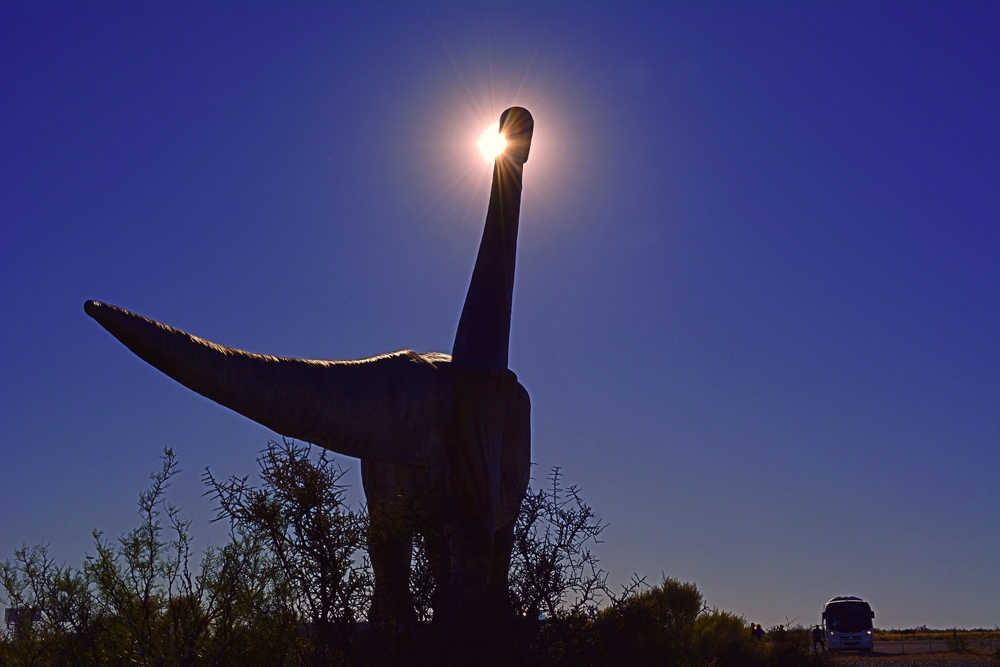
The dinosaur belonged to a group known as sauropods, famous for their enormous bodies, long necks, and giant tails. Some of the largest animals to ever walk the planet came from this dinosaur family, but scientists say discoveries this large remain extremely rare in Southeast Asia.
🦕 Scientists have identified a massive new dinosaur from remains discovered in Thailand, with the creature estimated to have weighed as much an nine adult elephants.
— AFP News Agency (@AFP) May 15, 2026
➡️ https://t.co/tKqPrlfqo9 pic.twitter.com/2tQWOhYxbD
Key Facts About Nagatitan Chaiyaphumensis
- Estimated weight of around 27 tons
- Lived between 100 and 120 million years ago
- Discovered in Thailand’s Chaiyaphum province
- Classified as a giant herbivorous sauropod
- Largest dinosaur species ever identified in Southeast Asia
Why Researchers Are Calling It Thailand’s ‘Last Titan’
The dinosaur’s name combines mythology and geography. “Naga” refers to serpent like beings found throughout Southeast Asian folklore, while “titan” references the giants of Greek mythology. The final part of the name honors Chaiyaphum province, where the fossils were first discovered.
But researchers say the nickname “last titan” carries a deeper meaning. Sethapanichsakul believes Thailand’s younger rock formations are unlikely to produce similar dinosaur fossils in the future, meaning this species could represent the final giant dinosaur of its kind ever uncovered in the country.
“We won’t find any more dinosaur fossils in any younger rocks in Thailand, making this dinosaur kind of the last giant of its kind that we could possibly find in the region,” he explained.
That possibility has made the discovery especially emotional for researchers involved in the excavation. Thailand’s fossil record still contains many mysteries, but scientists believe the era of uncovering giant dinosaurs from younger geological layers may already be over.
Southeast Asia’s largest dinosaur identified in Thailandhttps://t.co/TtUe5ioWyl pic.twitter.com/jB8m3qYxzA
— The Peninsula Qatar (@PeninsulaQatar) May 15, 2026
The Excavation Nearly Came to an End Before the Study Was Finished
Despite the excitement surrounding the fossils, researchers struggled to keep the excavation going after the initial discovery. Teams continued digging through 2020 before funding problems forced work at the site to slow down significantly.
For several years, scientists were left with massive bones but limited resources to properly study them. The project only regained momentum after Sethapanichsakul received funding support from the National Geographic Society in 2023. That grant allowed a fresh research effort to move forward and complete the analysis.
Without additional funding, one of the biggest dinosaur discoveries in Southeast Asia could have remained unfinished indefinitely. Paleontology projects often require years of excavation, transportation, preservation, and analysis before scientists can fully identify a new species.
The discovery also highlights how difficult dinosaur research can be in countries where paleontology is still developing compared to places with centuries of fossil exploration.
Thailand’s Dinosaur Research Is Still Relatively Young
Thailand may not be internationally famous for dinosaurs yet, but scientists say the country has become increasingly important in paleontology over the past few decades. Researchers believe prehistoric Thailand was once home to an impressive variety of dinosaur species during the Cretaceous period.
Sethapanichsakul says the country only seriously entered the world of dinosaur research in 1986, meaning Thailand’s paleontology community is still relatively young compared to nations that have been excavating fossils for centuries.
“We’ve only been studying dinosaurs in Thailand for roughly 40 years,” Sethapanichsakul said. “The world has known about dinosaurs for over 200 years In comparison.”
Researchers now believe Southeast Asia could become one of the next major regions for dinosaur discoveries as more fossil sites continue to be explored across Thailand and neighboring countries.
Scientists Believe Southeast Asia Could See a Dinosaur Boom
The discovery of Nagatitan chaiyaphumensis has fueled excitement among researchers who think the region still holds major prehistoric secrets beneath its surface.
“I would like to think of is like the next big boom of dinosaurs in Southeast Asia,” Sethapanichsakul said.
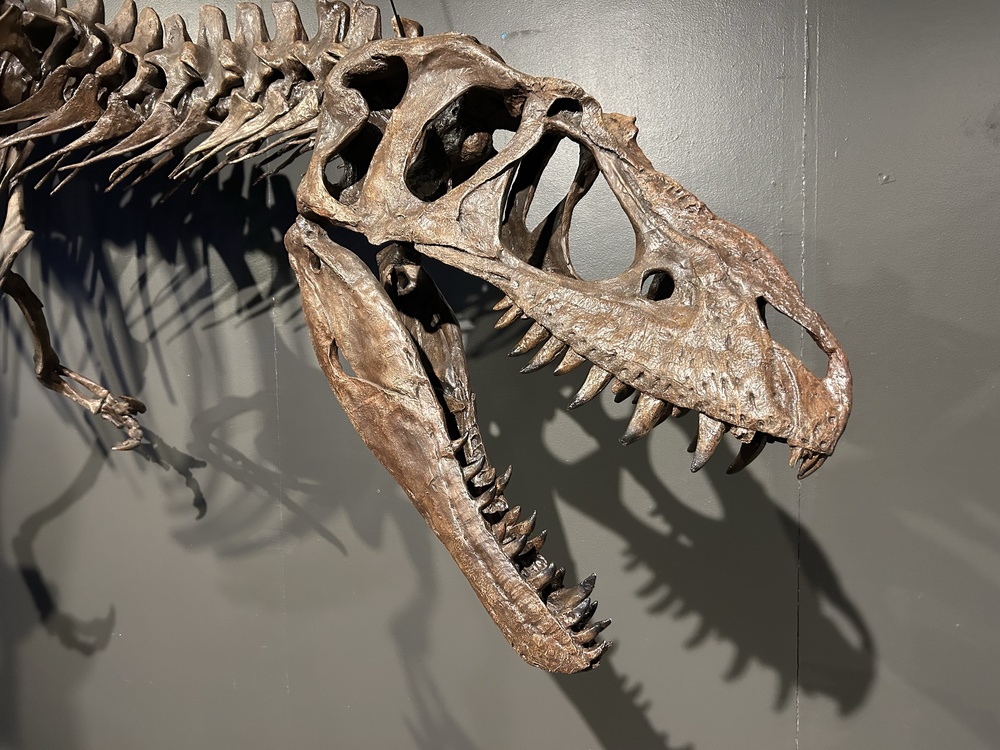
Scientists believe the area’s fossil history remains largely unexplored compared to North America and parts of China, where dinosaur discoveries have been happening for decades. Large sections of Southeast Asia still contain geological formations that researchers have barely studied.
That means discoveries capable of reshaping what scientists know about prehistoric life in Asia may still be waiting underground.
Researchers Hope the Discovery Inspires a New Generation
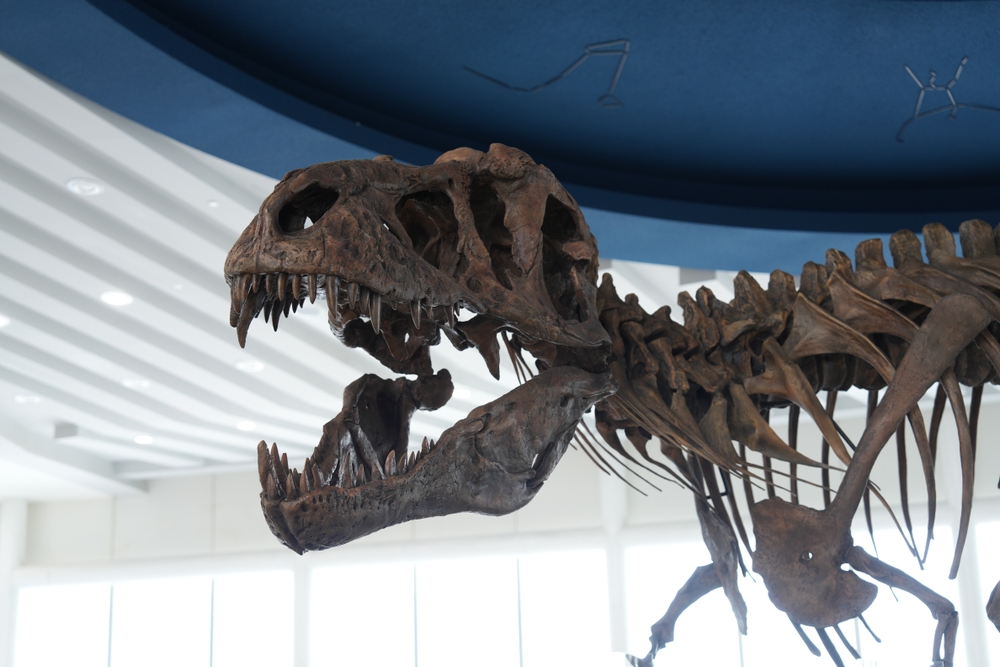
For scientists involved in the project, the discovery is about more than identifying a giant dinosaur species. Researchers hope the announcement can spark public excitement around paleontology and encourage younger generations in Thailand to become interested in science and fossil research.
Sethapanichsakul says outreach efforts have become an important part of their work, especially in rural communities near fossil sites where residents are often the first people to spot unusual remains.
“We are trying to get people, especially in rural areas, to understand the values of paleontology,” he said. “And we do that through outreach and things like that and having a brand-new dinosaur to announce to get people excited for.”
For now, Nagatitan chaiyaphumensis stands as one of the largest and most important dinosaur discoveries Thailand has ever produced. And unless another giant skeleton emerges from the rocks someday, the country’s “last titan” may keep that title for decades to come.
Sources:
- Sethapanichsakul, T., Khansubha, S., Manitkoon, S., Hanta, R., Mannion, P. D., & Upchurch, P. (2026). The first sauropod dinosaur from the Lower Cretaceous Khok Kruat Formation of Thailand enriches the diversity of somphospondylan titanosauriforms in southeast Asia. Scientific Reports, 16(1). https://doi.org/10.1038/s41598-026-47482-x
ancient creatures, archaeology, cretaceous period, dinosaur discovery, dinosaur fossils, dinosaur research, Fossil Discovery, giant dinosaur, giant titan dinosaur, long necked dinosaur, Nagatitan chaiyaphumensis, National Geographic, paleontology, prehistoric animals, sauropod dinosaur, Science news, Southeast Asia dinosaur, Thailand dinosaur, Thailand news, viral science news