
Your cart is currently empty!
The Creepy Crawly In Your House That Secretly Protects You
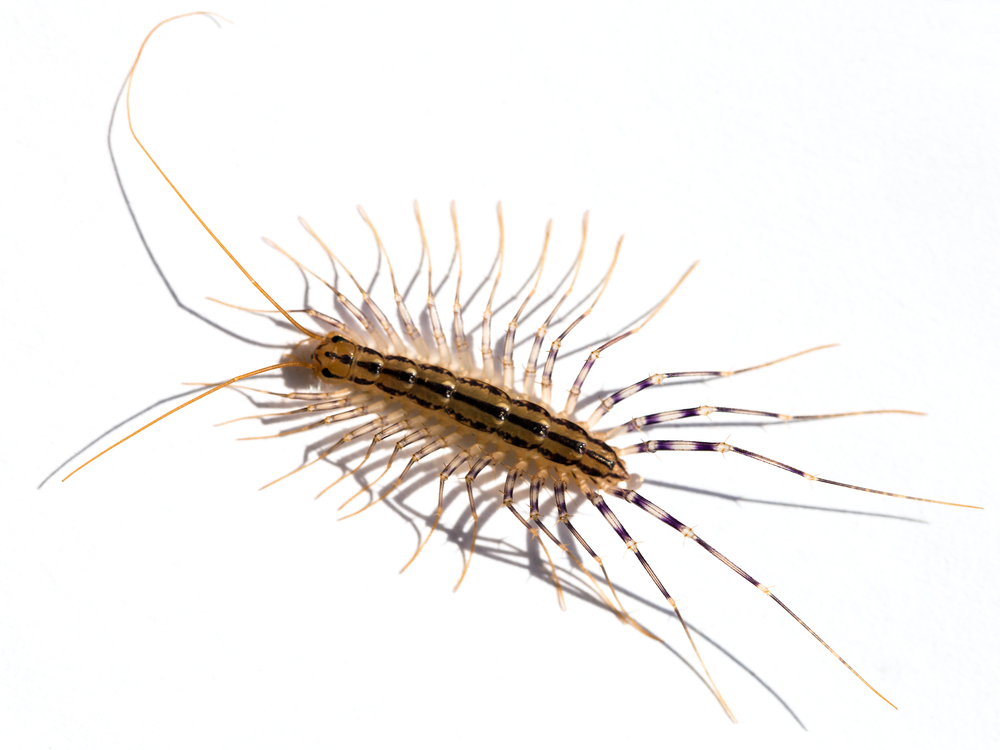
A sudden blur darts across the floor. It moves so fast you barely catch a glimpse before it disappears beneath a cabinet or behind a piece of furniture. For many people, that moment triggers the same reaction: panic, disgust, and an immediate search for something heavy enough to squash it before it vanishes again.
Contents
show
The creature responsible for that response is often the house centipede, one of the most feared visitors a homeowner can encounter. With its dozens of long legs, lightning-fast movements, and alien-like appearance, it looks like something straight out of a horror movie. Its unusual shape alone is enough to make many people uncomfortable.
Yet according to pest experts and wildlife advocates, killing this bug may be the exact opposite of what you should do. In fact, the strange creature scurrying through your home could be working harder to protect your living space than you realize. What appears to be a frightening intruder may actually be performing a valuable service.
Before you reach for a shoe or a can of bug spray, there is a surprising reason why this unsettling insect deserves a second look. Understanding its role inside your home may completely change the way you view one of nature’s most misunderstood creatures.
Why House Centipedes Terrify So Many People
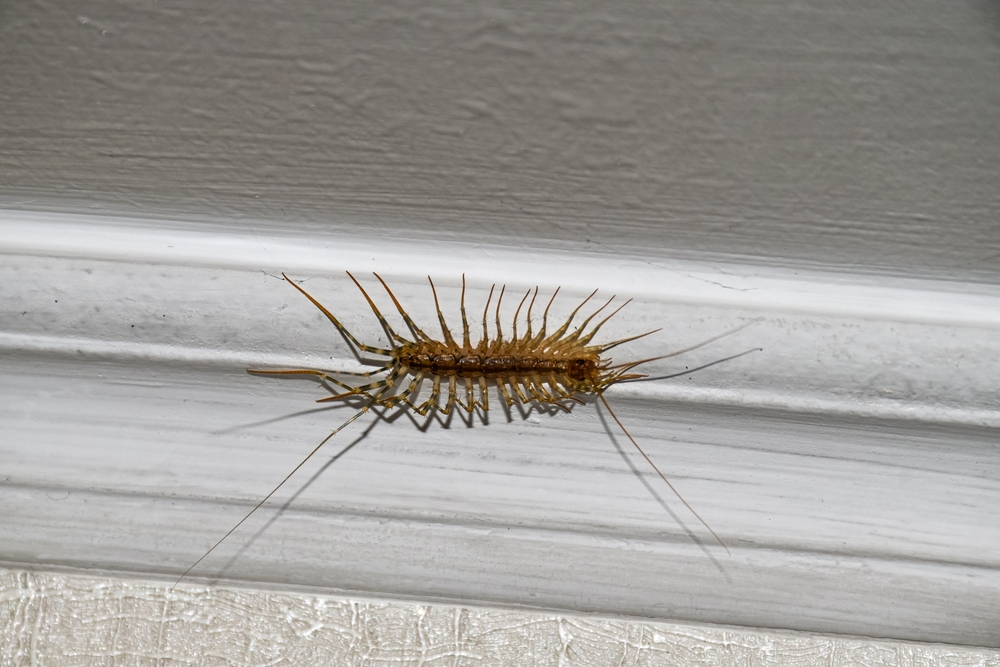
Few household creatures provoke the same level of discomfort as a house centipede. Their appearance seems designed to trigger human instincts that associate unfamiliar creatures with danger. Long antennae stretch forward while fifteen pairs of legs move in a blur across floors, walls, and even ceilings, creating a sight that many people find deeply unsettling.
Their speed only adds to the fear factor. Unlike spiders or beetles that often remain stationary for long periods, house centipedes can sprint across a room in seconds. The unexpected movement catches people off guard and creates an immediate sense of alarm, especially when one suddenly appears at night.
Part of the problem is perception. Most people assume that anything that looks so unusual must be harmful or dangerous. The house centipede’s appearance suggests a threatening pest, even though reality tells a very different story. Its intimidating look often overshadows the facts about its behavior.
Many homeowners never take the time to learn what these creatures actually do. Instead, the encounter ends the moment the insect is killed, leaving behind a misunderstanding that has persisted for generations. As a result, one of the most beneficial insects found indoors continues to have a reputation it does not deserve.
The Surprising Job They Perform Inside Your Home
Despite their frightening appearance, house centipedes are highly effective predators. Their primary role is hunting other insects that people generally consider far more problematic. Rather than causing trouble themselves, they spend most of their time searching for pests to eat.
Rather than feeding on furniture, clothing, stored food, or household materials, house centipedes spend their time searching for prey. They actively hunt cockroaches, ants, silverfish, moths, flies, and even spiders. Some reports suggest they may also target bed bugs when opportunities arise, making them surprisingly useful house guests.
This makes them one of nature’s most efficient forms of pest control. Unlike chemical sprays that require repeated applications and can introduce toxins into the home, house centipedes patrol your living space every night, looking for insects to eliminate. They work continuously without any effort from homeowners.
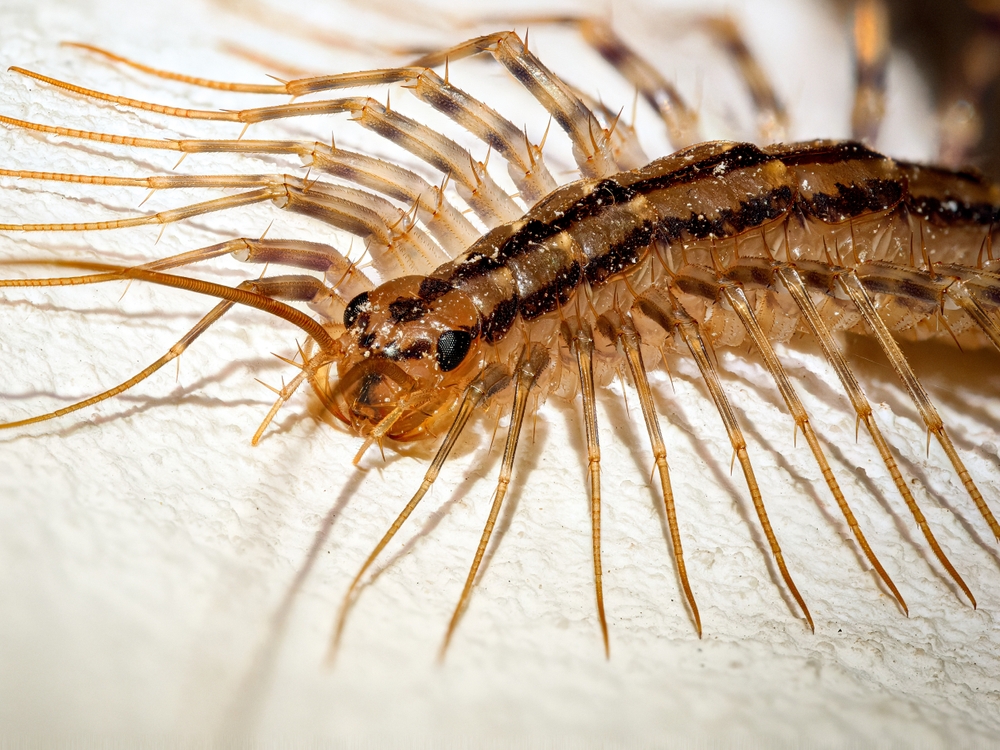
Experts often describe them as living exterminators. Their modified front legs inject venom into prey, allowing them to capture and consume insects quickly and efficiently. For homeowners dealing with unwanted pests, a house centipede may be reducing those populations without anyone even noticing its contribution.
What House Centipedes Actually Eat
The list of pests targeted by house centipedes is surprisingly long. Their hunting behavior makes them valuable allies in areas where insect populations can become difficult to control. They are opportunistic predators that take advantage of whatever prey is available.
Some of their common prey includes:
- Cockroaches
- Ants
- Silverfish
- Spiders
- Flies
- Moths
- Small termites
- Various household insects
Each of these pests presents its own problems. Cockroaches can contaminate food and spread bacteria. Silverfish damage paper products, books, and fabrics. Ants invade kitchens and storage areas in search of food. Spiders often trigger fears similar to those caused by centipedes, making them unwelcome visitors in many homes.
By feeding on these creatures, house centipedes help keep indoor insect populations in check. Their presence may indicate that they are actively hunting pests that would otherwise multiply inside the home. In many cases, they are helping maintain a natural balance without homeowners even realizing it.
They Are Cleaner Than Most People Realize
One of the biggest misconceptions about house centipedes is that they create the same kinds of problems as other household pests. In reality, they are among the least destructive creatures that can end up indoors. Their behavior is very different from insects that damage property or contaminate living spaces.
They do not build webs across corners and ceilings. They do not chew through walls, insulation, or wooden structures. They are not interested in clothing, furniture, books, or stored food products. Unlike rodents and cockroaches, they also leave very little evidence of their presence behind.
House centipedes are solitary hunters. They do not form large colonies, build nests inside walls, or establish organized infestations in the same way many household pests do. Most prefer to remain hidden and avoid contact with humans whenever possible.
Most of their lives are spent concealed in dark spaces where they wait for opportunities to hunt. For homeowners, that means the majority of their work happens completely out of sight. The next time one suddenly appears, it is likely because it was already tracking another insect somewhere in your home and briefly crossed your path.
Why They Enter Homes In The First Place
House centipedes do not invade homes simply because they want to live alongside humans. Several environmental factors usually draw them indoors. Understanding these factors can help explain why they appear in certain areas more often than others.
Moisture is one of the biggest attractions. Basements, bathrooms, laundry rooms, crawl spaces, and areas with plumbing leaks provide the damp conditions they prefer. These locations also tend to support populations of other insects, creating an ideal hunting environment where centipedes can easily find food.
Temperature can play a role as well. During colder months, some centipedes move indoors seeking shelter from outdoor conditions. Homes provide a stable environment that protects them from extreme weather and temperature fluctuations.
Food availability is another major factor. If ants, cockroaches, silverfish, or other insects are present, house centipedes often follow. Their appearance may actually be a warning sign that another pest population exists somewhere nearby. For this reason, pest professionals sometimes view centipedes as indicators rather than primary problems.
How To Remove One Without Killing It
Not everyone wants a house centipede sharing their living space, even after learning about its benefits. Fortunately, there are humane ways to remove one without crushing it. These methods allow you to relocate the insect while avoiding unnecessary harm.
The simplest method involves placing a cup or glass over the centipede and carefully sliding a piece of cardboard underneath. Once contained, it can be released outdoors away from the house. This approach is quick, effective, and avoids killing a creature that may have been helping control pests.
Reducing moisture can also encourage centipedes to move elsewhere. Fixing leaks, improving ventilation, and using dehumidifiers make indoor environments less attractive to them. Over time, these changes can significantly reduce the likelihood of future encounters.
Sealing cracks around doors, windows, and foundations helps prevent new visitors from entering. Eliminating other insect populations removes their food source and further discourages them from staying. These strategies address the underlying causes rather than simply removing a single bug that happened to be visible.
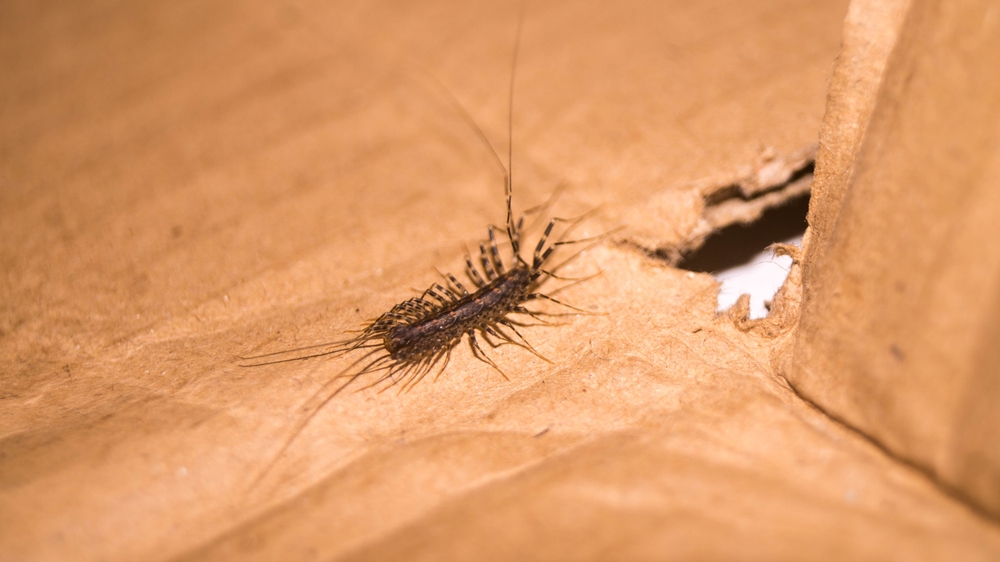
The Insect That Looks Like A Villain
House centipedes have an image problem. Nearly everything about their appearance suggests danger, yet the reality is far less dramatic. Their frightening look often causes people to judge them before understanding the role they play.
They spend their nights hunting insects that many homeowners genuinely do not want around. They avoid humans whenever possible and prefer remaining hidden from sight. Their presence often reflects environmental conditions rather than a direct threat to people or property.
For a creature that inspires so much fear, the house centipede plays a surprisingly useful role. While most people see a nightmare with too many legs, nature sees an efficient predator doing exactly what it evolved to do. Its hunting abilities help reduce populations of insects that can become far more troublesome.
The next time one races across your floor, you may still jump. That reaction is perfectly understandable given its appearance and speed. But after learning what it actually does, you might think twice before reaching for the nearest shoe and consider letting nature’s tiny exterminator continue its work.