
Your cart is currently empty!
The NYT Bestseller List Just Delivered an Unexpected Verdict on Faith in America
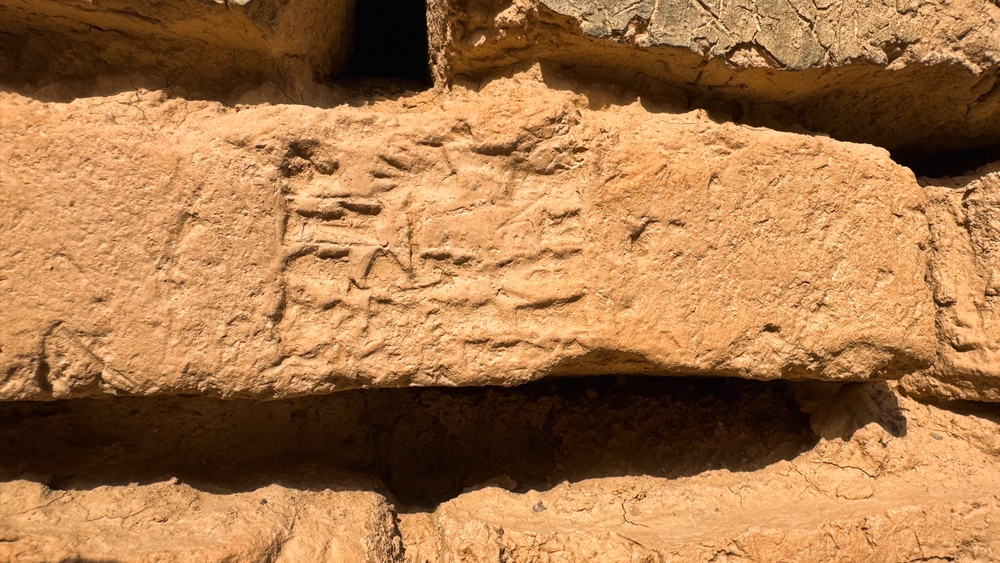
At some point in the last decade, a particular story about America became the accepted one. Faith was receding. Younger generations were walking away from religion in numbers that demographers found hard to ignore. Church attendance was falling, seminary enrollment was dropping, and the cultural institutions that had once organized life around religious belief were losing their grip on a public that had, apparently, moved on. That story still gets told. It just got harder to tell with a straight face.
Contents
show
In March 2026, a book landed on shelves that made an argument most mainstream publishers would have considered a long shot. It carried no celebrity name on the cover, no political controversy to drive cable news coverage, and no personal scandal to fuel social media debate. What it had instead was archaeology ossuaries, papyri, stone inscriptions, a linen shroud, coins pulled from Judean soil, and a single claim running through all of it: that the historical evidence for Jesus of Nazareth is stronger today than at any point in 2,000 years. Within weeks, The Jesus Discoveries by Dr. Jeremiah Johnston had climbed to the top of the New York Times bestseller list.
Before asking what the book argues, it is worth sitting with what that commercial fact means.
A Theologian Beat Every Celebrity Memoir on the List
Johnston, a theologian and historian, built The Jesus Discoveries around ten specific archaeological finds, each one responding to a skeptical challenge that critics had leveled at the Gospel accounts. Published by Bethany House in March 2026, the book does not read as a devotional text or a piece of Christian apologetics aimed at an already-converted audience. It reads as a case being made, evidence by evidence, to anyone willing to follow the argument where it leads.
Johnston has said he was not surprised the book found readers. What surprised him was how many, and what he believes that number signals about where American culture actually stands in 2026, as opposed to where it is commonly said to stand.
The Dirt Keeps Siding With the Gospels

Start with Pontius Pilate. For generations, critics of the Gospel narratives pointed to the Roman governor as a figure too conveniently placed to be entirely historical, a powerful name dropped into the story to lend it official gravity. In 1961, archaeologists excavating at Caesarea Maritima in modern Israel turned over a limestone block. Carved into its face was a dedication naming Pontius Pilate as prefect of Judea. Rome’s own stonework placed him exactly where the Gospels said he was.
Nazareth drew similar skepticism. First-century records outside the New Testament made no direct mention of the town, and critics argued it may not have existed in any meaningful form during Jesus’s lifetime. Excavations beneath the Sisters of Nazareth convent eventually produced first-century houses and ritual baths. A dwelling dating to that period now sits beneath the convent floor, physical confirmation that the town the Gospels named was real and occupied.
Caiaphas, the high priest who presided over Jesus’s condemnation before sending him to Pilate, presented another challenge. In 1990, construction workers working south of Jerusalem broke through into an ancient burial chamber. Inside sat an ornate limestone ossuary, a bone box, bearing the family name of Caiaphas. One of the central figures in the Passion narrative had left physical remains behind, attested not by a Christian document but by his own tomb.
Johnston’s book continues through the James Ossuary, bearing an inscription that represents the earliest known archaeological reference to Jesus outside the Gospels. It covers the Magdalen Papyrus fragments held at Oxford, which carry portions of the Gospel of Matthew dating to within the living memory of the apostles themselves. It examines the Great Isaiah Scroll, recovered from the caves at Qumran in 1947 and a full thousand years older than any Hebrew Bible manuscript scholars had previously held. When that scroll was compared against the existing text, it matched almost letter for letter, a finding that unsettled arguments about how much the biblical text had drifted over centuries of copying.
And then there is the Shroud of Turin. Johnston traveled to Italy to examine it in person. What he found was an image bearing wounds consistent with the Gospel account of crucifixion in specific, documentable ways, including markings consistent with a Roman flagrum used in scourging, a crown of thorns, and nail placement at the wrist rather than the palm, a detail the Gospel accounts support and one that contradicts centuries of artistic tradition. Whether one accepts the Shroud as authentic or not, the specificity of what it depicts has proved difficult to dismiss on purely rational grounds.
He Brought a Crucifixion Nail Into the World’s Most Secular Room
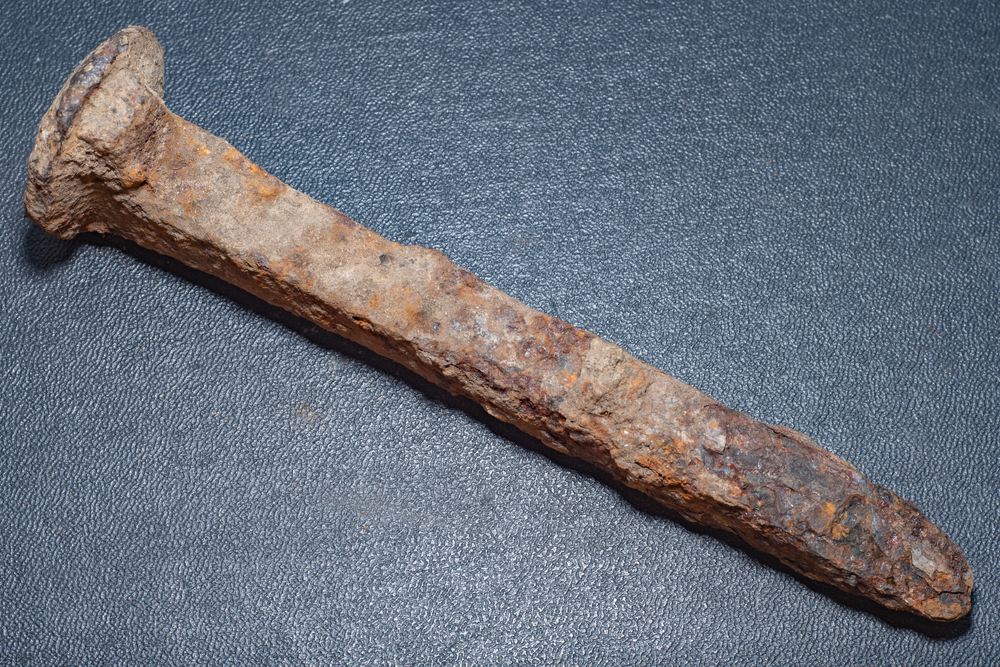
Johnston includes a detail in his account of the book’s research period that carries an unusual kind of weight. Earlier this year, he held a Roman crucifixion nail at the World Economic Forum in Davos, Switzerland, in a room populated by some of the world’s most powerful and secular-minded figures. People who are, as he put it, among those most confident that history has moved on from the questions his book asks.
He describes the nail as still iron, still sharp at its point, and heavy in the palm in a way that resisted easy abstraction. For Johnston, that physical object in that particular room said something that no cultural narrative about post-Christian America could say back to it. Something happened. A man was crucified outside Jerusalem. And the evidence of it has outlasted every argument that the story no longer matters.
A Generation Asking Different Questions

The book’s ascent up the bestseller list does not exist in cultural isolation. Alongside it sits a separate and striking data point about the generation that was most confidently expected to finish the job of leaving religion behind.
Gen Z, widely characterized in media coverage as the least religious generation in American history, is producing a measurable and documented return to church attendance. A recent study found that religious commitment among young people correlates with increased personal responsibility and civic engagement, a finding that cuts against the assumption that faith and modernity pull in opposite directions.
Catholic influencer Anthony Gross has spoken publicly about faith’s role among younger generations, describing a cohort that is not simply returning to inherited religion out of habit, but actively choosing it after growing up in an environment that told them not to bother. Johnston’s framing aligns with this: a generation told to outgrow faith is now asking whether faith was ever the thing it needed to outgrow, or whether it was sold a story about progress that left something important out.
A Culture Exhausted by Ideology Reaches for Stone
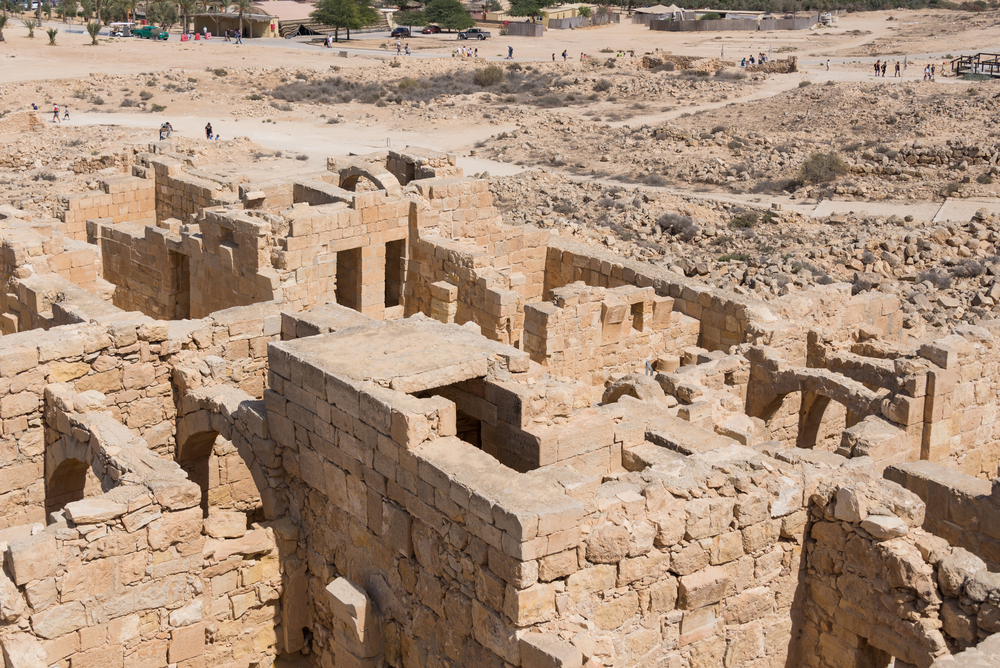
Johnston offers his own answer to the question of timing. A culture saturated in ideological noise, he argues, eventually reaches for something that does not shift with opinion. Stone does not update itself. An ossuary does not revise its inscription when the cultural mood changes. A papyrus fragment dating to the first century carries its text regardless of what a given generation believes about the man it describes.
What The Jesus Discoveries offers its readers, and what appears to be drawing them in large numbers, is not a faith claim dressed in academic clothing. It is an invitation to look at what has actually been found in the ground over the last hundred years and ask whether the conclusions being drawn from it match the evidence. Johnston answers that they do not, that the arc of archaeological discovery since the late 19th century has, discovery by discovery, sided with the Gospel writers rather than with those who doubted them.
America in 2026 is supposed to be post-Christian. Fewer people attend services regularly. Fewer identify with institutional religion. Those trends are real and documented. But trends are not the whole story, and bestseller lists have a way of capturing something that surveys sometimes miss, not what people say they believe in the abstract, but what they are actually reaching for when no one is watching.
Ossuaries and Papyri Just Outsold Political Memoirs
A book about ten archaeological discoveries, written by a theologian, climbing to the top of the New York Times bestseller list in a year when faith is supposed to be a cultural relic, is not an anomaly. It is a data point. Placed next to the Gen Z church attendance numbers, it starts to look like a pattern.
Johnston closed his own account of the book’s argument with an observation that is difficult to frame as anything other than a challenge to the prevailing narrative. Whatever one believes about the resurrection, the movement it started has reached every generation since it began, including generations that were told, with great confidence, that they would be the last to care. America’s bestseller list, at least for now, suggests the funerals for faith have been scheduled a little prematurely.
archaeological evidence for Jesus, Biblical Archaeology, Caiaphas ossuary, Christian archaeology, Christian publishing, church attendance, Dead Sea Scrolls, faith and history, Gen Z faith, Great Isaiah Scroll, James Ossuary, Jeremiah Johnston, Jesus discoveries, Magdalen Papyrus, New York Times bestseller, post-Christian America, religious revival, Shroud of Turin