
Your cart is currently empty!
These 2,000-Year-Old Dog Epitaphs From Ancient Rome Are Breaking Hearts Online
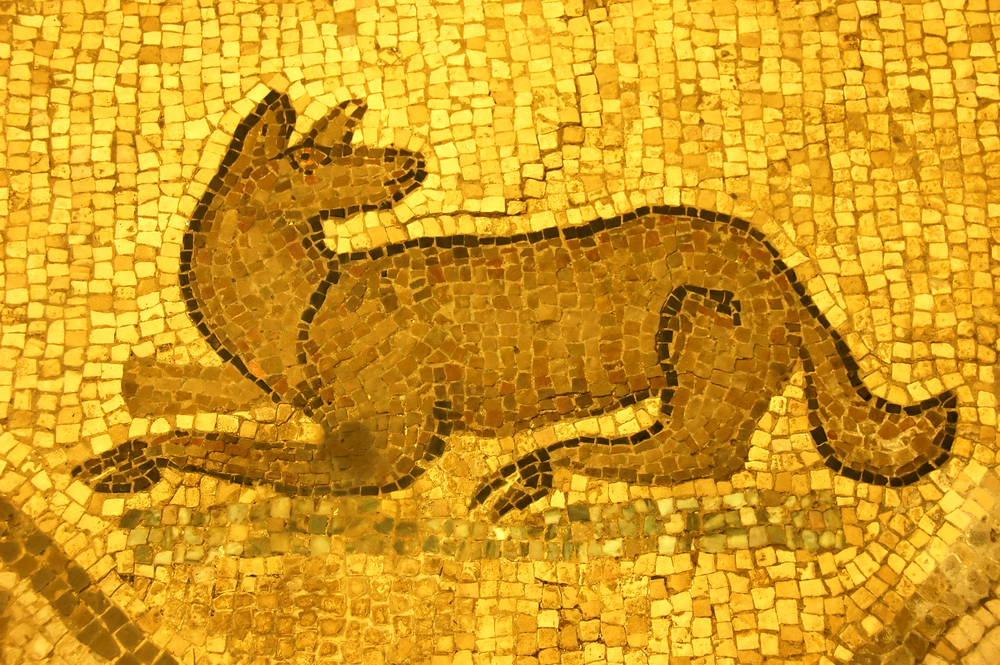
Ancient Rome is usually remembered for gladiators, emperors, brutal wars, and massive stone monuments that survived for thousands of years. But hidden among those ruins are deeply emotional messages written by grieving dog owners who sounded almost identical to modern people mourning their pets today. Long before social media tributes and framed paw prints became common, Romans were carving heartbreaking farewells into marble tombstones for the dogs they loved most.
Contents
show
Some of the inscriptions are surprisingly simple. Others read like painfully intimate goodbye letters written by people struggling to process loss. One owner cried over never receiving “a thousand kisses” again. Another begged strangers not to laugh at their dog’s grave. Reading them now feels strange because the emotions sound so modern. Beneath all the armor, politics, and conquest, Ancient Romans were devastated when their dogs died.
Romans Believed Dogs Were Loyal Beyond Death
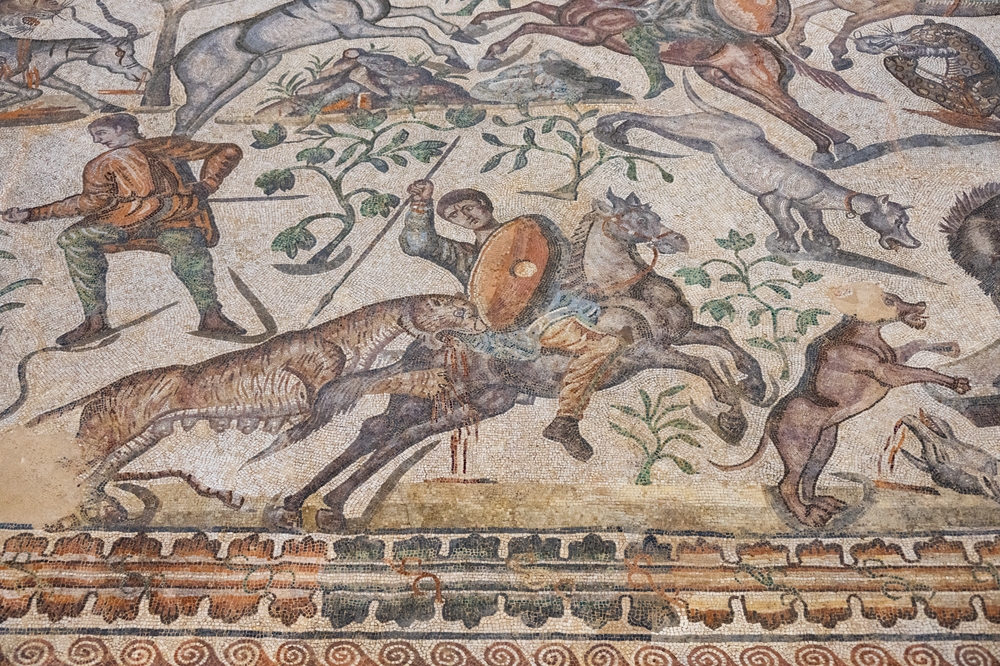
The emotional bond between Romans and their dogs appears throughout ancient writings, artwork, and burial sites discovered across the former empire. Dogs guarded homes, accompanied hunters, traveled with soldiers, and lived inside family households. Some were trained workers, but many clearly became beloved companions whose deaths left owners shattered.
Roman scholar Pliny the Elder described dogs as “man’s most faithful companion” in Naturalis Historia. He wrote: “The dog alone knows his master, and he alone recognizes his own name. He alone, too, in his master’s defense, will lay down his life; and, let his master die, he will remain on the watch by the body.” Those words were written nearly 2,000 years ago, yet they still sound familiar to anyone who has loved a dog.
Archaeologists have uncovered dog graves throughout the Roman world, many marked with personal epitaphs engraved into stone. These inscriptions survived centuries because owners wanted their grief remembered permanently. Some were short and restrained, while others revealed intense emotional attachment that still hits hard today.
One Epitaph About A Dog Named Myia Still Feels Brutal
Among the most widely shared Roman dog epitaphs is a short inscription dedicated to a dog named Myia. Despite containing only a few words, it manages to say almost everything about loss.
“Myia never barked without reason. But now she is silent.”
The line feels devastating partly because of how restrained it is. The owner did not describe dramatic suffering or exaggerated loyalty. Instead, they focused on one tiny everyday detail that disappeared forever. The silence after a dog dies is something many pet owners immediately recognize.
Another inscription dedicated to a different dog also named Myia became even more personal. The owner remembered how the dog used to curl up inside the folds of a toga and bark jealously whenever someone else sat too close. The epitaph reads: “How sweet that one was, how kind, who, while she was living, used to lie down in the folds of my toga always aware of sleep and a bed.”
The grief inside the inscription becomes even sharper later in the text when the owner mourns the dog’s absence directly. “O what a wicked deed, Myia, that you have perished.” It sounds less like formal poetry and more like someone struggling to accept that a familiar presence inside their home suddenly vanished.
Patricus Received A Goodbye That Could Make Anyone Emotional
Another Roman owner wrote a deeply emotional farewell for a small dog named Patricus. Unlike some of the shorter inscriptions, this epitaph reads almost like a private letter carved into stone.
“My eyes were wet with tears our little dog, when I bore you to the grave.”
The inscription continues with one of the saddest lines found in any Roman pet memorial: “Never again shall you give me a thousand kisses.” Thousands of years later, that sentence still feels painfully human because it captures the tiny affectionate moments people miss most after losing a pet.
The owner also explained that Patricus was buried in marble beside his “shade,” a Roman concept connected to the spirit after death. Even in mourning, there was tenderness and closeness in the way the dog was described. The epitaph focused less on the animal itself and more on the empty space left behind.
Another Roman inscription expressed a similar feeling while describing the process of carrying a dog to burial. “I am in tears while carrying you to your last resting place. Much as I rejoiced when bringing you home in my own hands fifteen years ago.” The emotional contrast between bringing a dog home and later carrying it to a grave makes the line especially painful.
Some Roman Dogs Lived Surprisingly Luxurious Lives
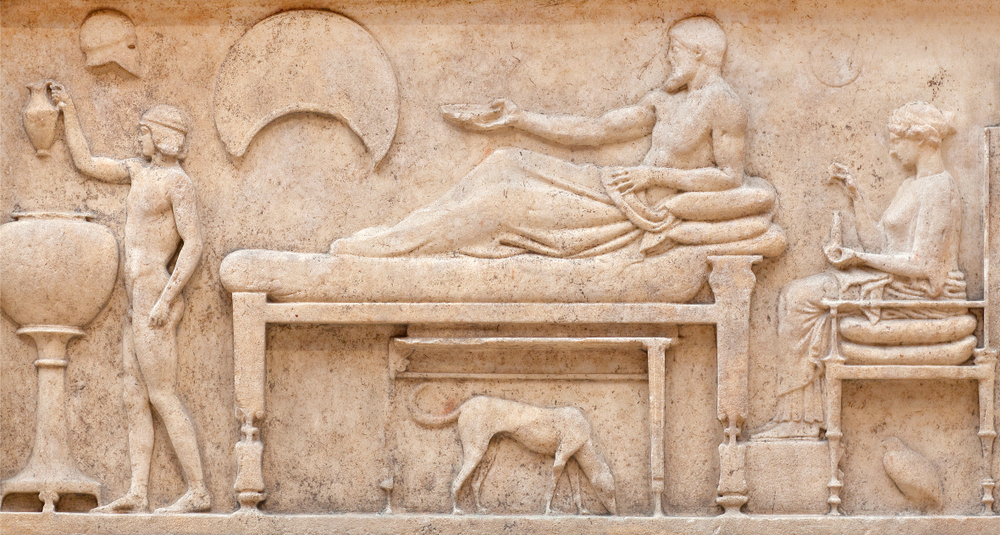
The epitaphs also reveal how closely some dogs lived alongside their owners inside Roman homes. Several inscriptions describe dogs sleeping on beds, resting in laps, and behaving more like cherished family members than working animals.
One memorial honored a dog named Margarita, which means “Pearl.” The inscription described a life filled with comfort, affection, and companionship. “I used to lie on the soft lap of my master and mistress and knew to go to bed when tired on my spread mattress.”
The epitaph also praised Margarita for being well-behaved and gentle. “I did not speak more than allowed as a dog, given a silent mouth.” Even after centuries, it still sounds like a proud owner describing a beloved pet’s personality.
The same inscription explained that Margarita hunted boldly through forests yet never suffered cruelty or harsh treatment. That detail matters because it shows Roman owners were not simply attached to dogs because they were useful animals. Many cared deeply about their comfort and wellbeing.
Another epitaph honored a white dog from Melita described as “the most faithful guardian of Eumelus.” The inscription added: “Bull, they called him when he was yet alive. But now his voice is imprisoned in the silent pathways of the night.” Even the language surrounding death carried a haunting softness.
Romans Wanted Strangers To Respect Their Grief
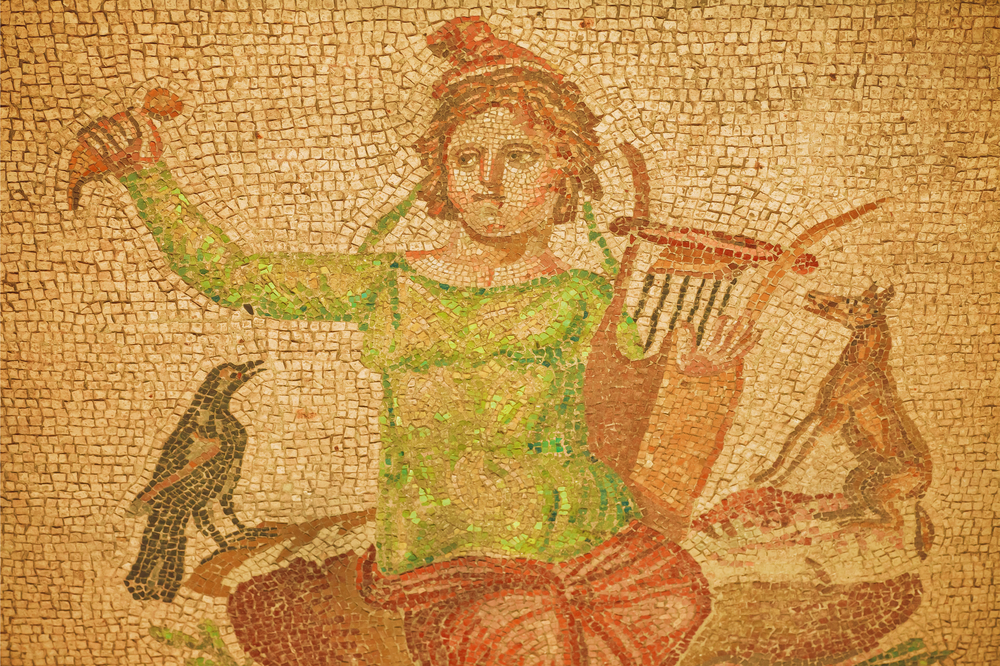
One of the most striking things about these epitaphs is how openly emotional they are. The owners were not embarrassed to mourn publicly. In several inscriptions, they directly addressed strangers passing the graves.
“Ye who pass this monument laugh not, I pray thee, for this is a dog’s grave.”
The epitaph continues with another heartbreaking sentence: “Tears fell for me and dust was heaped above me by a master’s hand.” The owner wanted future readers to understand that this loss mattered deeply.
Another inscription imagined dangerous animals still fearing the dog’s bones even after death. “Surely even as thou liest in dead in this tomb, I deem the wild beasts yet fear thy white bones.” Even grief was mixed with admiration and pride.
These memorials survived because people deliberately preserved them in stone. Roman owners spent money commissioning graves and inscriptions because they wanted their dogs remembered long after they were gone. That level of care says everything about the emotional role dogs played inside Roman life.
Dogs Played Many Roles Across Roman Society
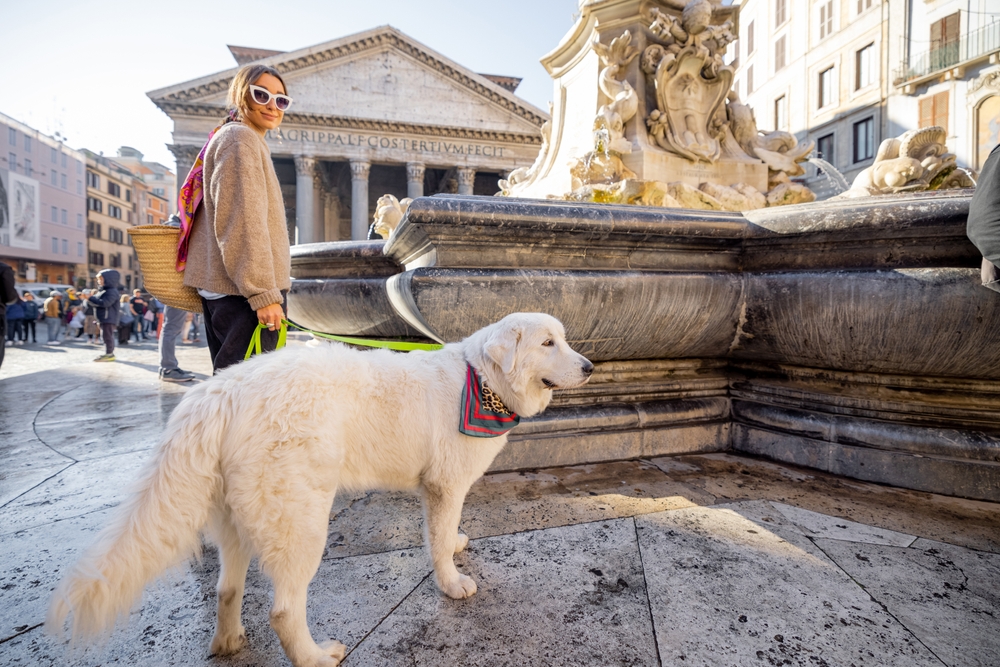
Dogs existed in nearly every layer of Roman society. Large breeds guarded homes, estates, and businesses. Hunting dogs accompanied wealthy Romans into forests and mountains. Smaller companion breeds became especially popular among urban households.
Archaeologists and historians have identified several common roles Roman dogs performed:
- Guard dogs that protected homes and storefronts
- Hunting dogs trained to chase wild animals
- Companion dogs raised inside family homes
- Military dogs that traveled alongside soldiers
- Herding dogs used by farming communities
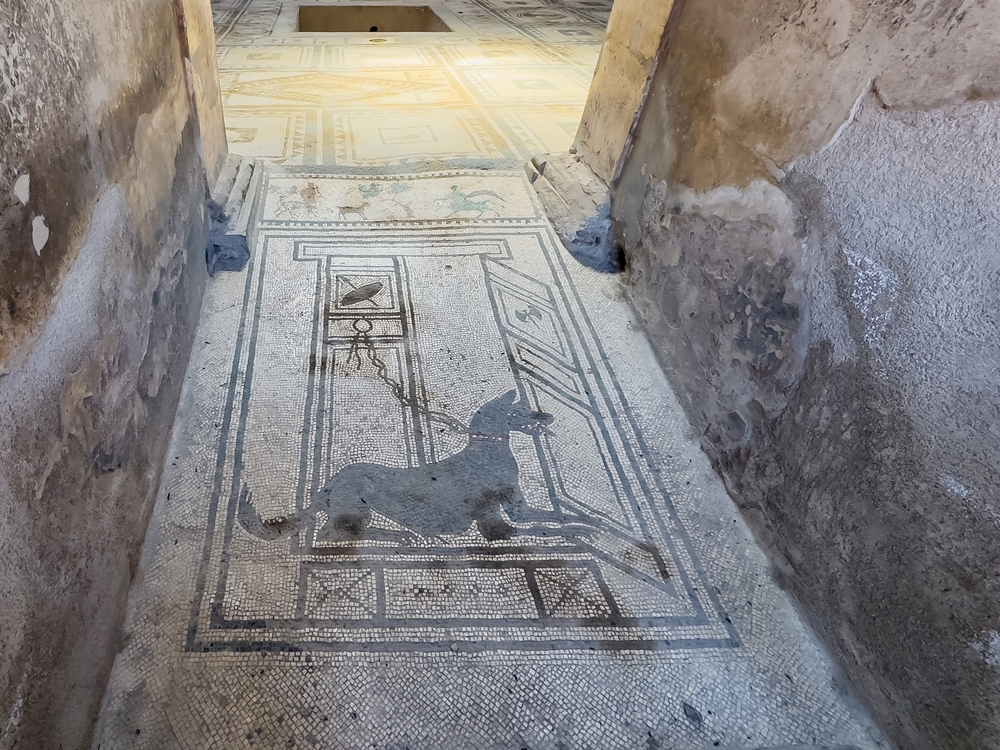
One of the most famous Roman dog warnings survives in a Pompeii mosaic reading “Cave Canem,” meaning “Beware of the dog.” The phrase still appears on novelty signs today, proving how much Roman dog culture shaped later generations.
At the same time, these epitaphs reveal that many Romans viewed their dogs as far more than useful workers. Owners remembered specific habits, sleeping routines, affectionate behavior, and tiny personality quirks. Those details transformed the inscriptions into something deeply personal.
The Emotional Weight Of These Epitaphs Never Really Faded
Part of what makes these inscriptions so powerful is how easily modern readers recognize themselves inside them. The grief does not feel ancient or distant. It feels immediate.
People today still cry over empty beds, silent houses, missing routines, and the absence of familiar sounds after a pet dies. Roman owners wrote about exactly the same feelings nearly two millennia ago. The technology changed. The language changed. Human grief barely changed at all.
Most surviving Roman inscriptions celebrate power, wealth, military victories, or political success. These memorials preserved something much smaller and more intimate instead. A jealous lap dog. A faithful guardian. A pet that used to hand out “a thousand kisses.”
Thousands of years later, strangers are still stopping to read those messages and feeling exactly what the owners felt when they carved them into stone.