
Your cart is currently empty!
An English Cow Went Viral After Google Blurred Its Face On Street View
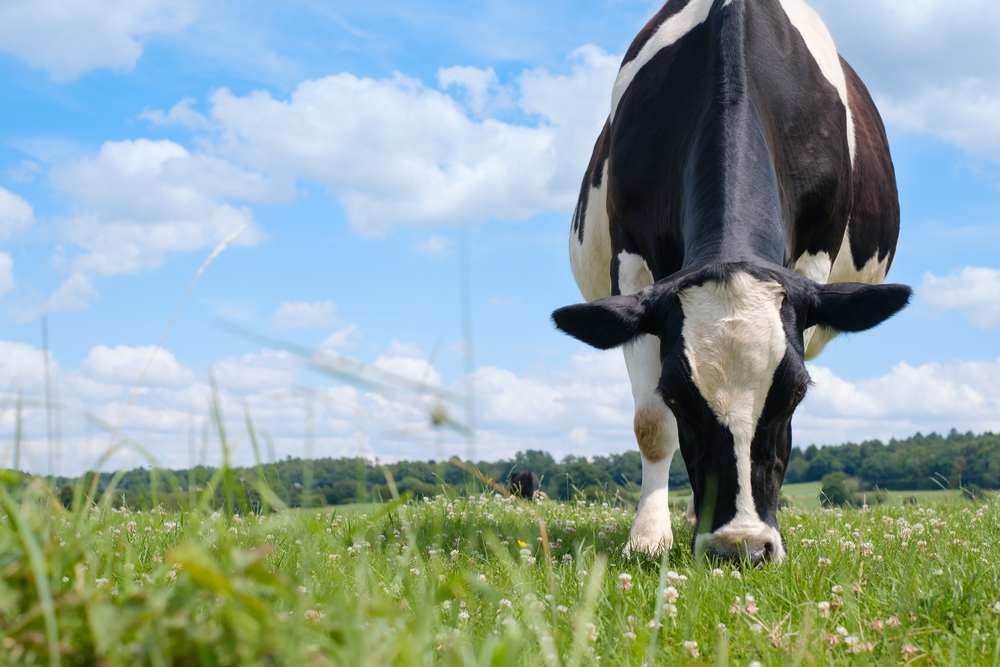
Google Street View has captured plenty of strange moments over the years, but very few have involved a cow apparently needing privacy protection. A quiet stretch of countryside beside the River Cam in Cambridge suddenly became internet history after Google’s automated systems blurred the face of a passing cow exactly like it would blur a human face or a vehicle number plate. The image looked completely ridiculous because the animal was standing alone in a field with no obvious reason to hide its identity, yet the software treated it like someone trying to avoid paparazzi cameras. Once people noticed the image online, the cow instantly became one of the internet’s most unexpected viral stars.
Contents
show
The strange image spread rapidly after social media users realized Google had apparently decided the animal deserved anonymity. The photo showed the cow calmly standing near a path at Coe Fen while its face appeared heavily censored. What made the entire situation even funnier was how pointless the blur actually turned out to be. Users quickly discovered they could simply move one frame backward on Google Street View and see the exact same cow without any blur at all. The accidental mistake became one of those rare internet moments that felt genuinely funny because nobody expected one of the world’s biggest technology companies to accidentally place a farm animal into witness protection.
Thankyou Google maps for protecting the cow’s privacy pic.twitter.com/9iAIWGLzjb
— Wholesome Side of 𝕏 (@itsme_urstruly) April 28, 2026
The Image Was Captured During A Normal Street View Update
The bizarre moment happened in August 2015 while Google Street View cameras traveled through Coe Fen, a grassy riverside area near Cambridge, England. Street View cars and camera systems routinely collect images across roads, pathways, and public spaces so users can explore locations online. During one of those routine updates, a cow wandered into frame beside the River Cam and unknowingly became part of internet history.
Normally, Google’s automated software scans every image looking for human faces and vehicle number plates that might need to be blurred for privacy reasons. The system uses facial recognition technology designed to identify patterns associated with people. Somehow, the software looked directly at the cow and decided the animal’s face also needed protection. Instead of treating it like livestock standing in a field, the system processed the cow exactly like a human subject caught on camera.
The image remained mostly unnoticed until Guardian editor David Shariatmadari spotted it and shared a screenshot online. Once people saw the blurred cow, the image exploded across social media because it looked absurdly official. The cow appeared to be hiding its identity while casually standing alone in a meadow. People immediately began joking that the animal must be involved in something serious if Google was working so hard to conceal its face.
The internet quickly embraced the image because it felt completely harmless and unintentionally hilarious. At a time when social media constantly cycles through arguments and outrage, the idea of an anonymous cow standing in a field was exactly the kind of random comedy people love sharing online.
Google Responded With An Entire Statement Full Of Cow Puns
After the image started going viral, Google eventually responded to questions about why the cow’s face had been blurred. Instead of giving a cold technical explanation, the company decided to lean directly into the joke with a statement packed full of cow-related puns.
A spokesperson for Google said: “We thought you were pulling the udder one when we herd the moos, but it’s clear that our automatic face-blurring technology has been a little overzealous.”
The spokesperson also added: “Of course, we don’t begrudge this cow milking its five minutes of fame.”
The statement became almost as popular as the image itself because people could not believe Google had fully committed to the joke. Social media users shared the quote widely, with many saying the company’s response somehow made the entire story even funnier. Instead of quietly explaining the technical mistake, Google turned the blurred cow into a full internet event.
The company later explained that its Street View technology is designed to automatically blur “all identifiable faces and license plates within Google-contributed imagery.” Users can also request additional blurring for their homes, cars, or personal details if they appear on Street View. According to Google’s privacy policy, once an image is blurred, the effect becomes permanent.
Social Media Users Immediately Turned The Cow Into A Meme
As soon as the image appeared online, social media users flooded the replies with jokes about the mysterious blurred cow. The original tweet reportedly received thousands of shares as people treated the animal like a celebrity, trying desperately to avoid photographers.
One user joked: “was she asked mooove out of the way or was the pic taken on the hoof?”
Another user sarcastically wrote: “Cows should dress more modestly so they don’t have to have their faces blurred in shame.”
The jokes continued spreading because the image felt like perfect internet comedy. People imagined the cow secretly living a double life or attempting to escape public attention. Others joked that Google’s software had become so advanced that it was now protecting animal identities without being asked. The more seriously the blur appeared in the image, the funnier people found the entire situation.
Part of the reason the story spread so quickly was that it arrived during a period when random internet discoveries regularly became massive viral moments. A single screenshot could dominate timelines for days if it were strange enough. The blurred cow fit perfectly into that era of internet culture where completely unexpected moments could instantly become global jokes.
Unlike many viral stories, this one had no controversy attached to it. Nobody was arguing about politics or fighting online. It was simply a cow standing in a field while the internet collectively tried to understand why Google believed the animal required privacy protection.

The Blur Turned Out To Be Completely Useless
The funniest detail about the entire story was how easy it was to uncover the cow’s identity. Reports noted that users only needed to move one frame backward on Google Street View to see the exact same cow without any blur at all. The privacy protection effectively lasted for a single image before completely disappearing.
That discovery made the situation even more ridiculous because the software technically completed its task while also failing entirely at the same time. The cow was both anonymous and immediately identifiable depending on which frame users clicked on.
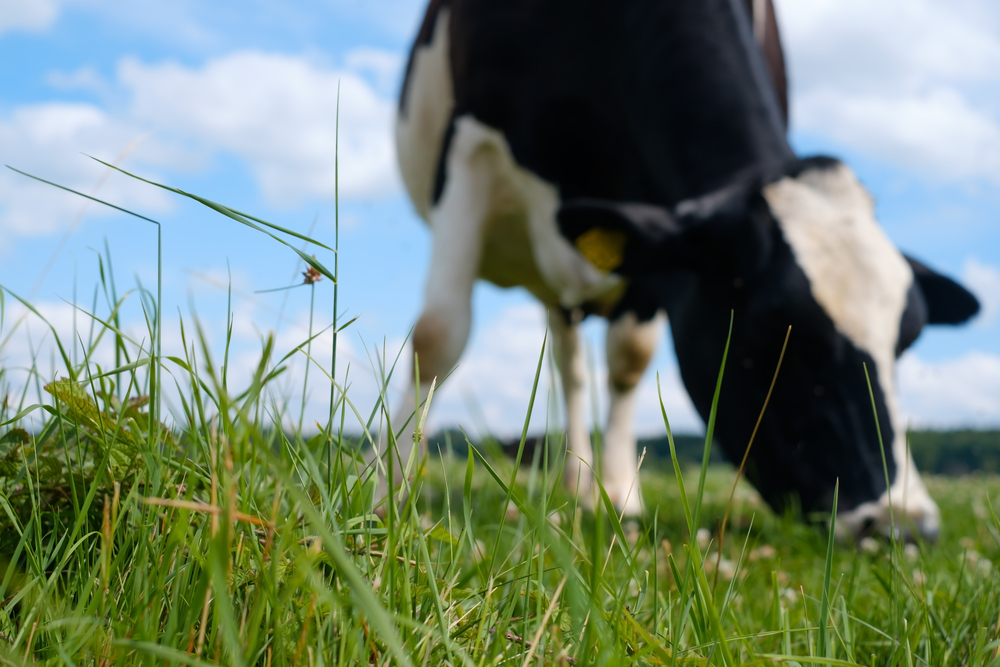
The accidental mistake also highlighted how awkward automated technology can sometimes become. Facial recognition systems are designed to identify patterns associated with human faces, but animals occasionally trigger those systems because many mammals share similar facial features. Details like eye placement, nose shape, and facial structure can confuse image-processing software under certain conditions.
Researchers have previously questioned how effective face-blurring technology really is anyway. Some studies suggest advanced software can sometimes identify people even after their faces have been partially concealed or blurred. In the case of the Cambridge cow, however, nobody needed advanced technology to solve the mystery because the unblurred version of the animal was sitting only one frame away.

The failed blur somehow made the story more memorable because it perfectly captured the weird relationship people have with modern technology. Massive systems designed to operate with incredible precision can still create mistakes so absurd they feel almost human.
It Wasn’t The First Animal To Receive Privacy Protection
As strange as the blurred cow looked, it apparently was not the first animal to accidentally receive privacy treatment. Earlier that same year, West Midlands Police released an image involving stolen lambs where the animals’ faces also appeared blurred. That image triggered similar reactions online because people could not understand why livestock suddenly needed identity protection.

The repeated incidents suggested that automated image-processing systems were becoming slightly too enthusiastic while scanning photographs. Technology designed to protect humans was occasionally extending those same protections to completely unsuspecting farm animals.
What made the Cambridge cow story stand out, though, was how perfectly cinematic the image looked. The blur appeared serious and deliberate, almost as if the cow had personally requested anonymity before appearing on camera. The contrast between the dramatic censorship and the reality of a cow standing peacefully in a field made the image impossible for people to ignore.
Years later, the blurred cow remains one of the internet’s favorite accidental viral moments because it captured something timeless about technology failures. People love seeing highly advanced systems make small mistakes that produce completely ridiculous results. Somewhere inside Google’s enormous Street View operation, an algorithm genuinely looked at a cow and decided its identity needed protection from the public.
For one strange moment in internet history, an anonymous English cow became more famous than most celebrities online.