
Your cart is currently empty!
Psychologists Say This Hidden Habit Could Be Stopping You From Truly Living

You tell yourself you’ll finally take that dream vacation once you’ve saved a little more money. You’ll wear the expensive outfit when there’s a special occasion, open the bottle of wine when guests come over, or start learning the guitar after work becomes less hectic. The promises sound sensible, even responsible. Yet somehow, those long-awaited moments keep slipping further into the future, replaced by another milestone that feels just a little more important. Before long, you’re no longer enjoying the life you’ve built. You’re constantly preparing for the one you hope to have someday.
Contents
show
Psychologists say this pattern is far more common than most people realize, and it has little to do with laziness or poor self-control. Instead, it reflects how the human brain is wired to pursue what’s next rather than fully appreciate what’s already here. That tendency can quietly shape everything from the way we spend our money to the relationships we neglect and the experiences we postpone. Over time, the habit of saving your life for “later” can leave you surrounded by unrealized plans, unopened opportunities, and memories that never had the chance to exist.
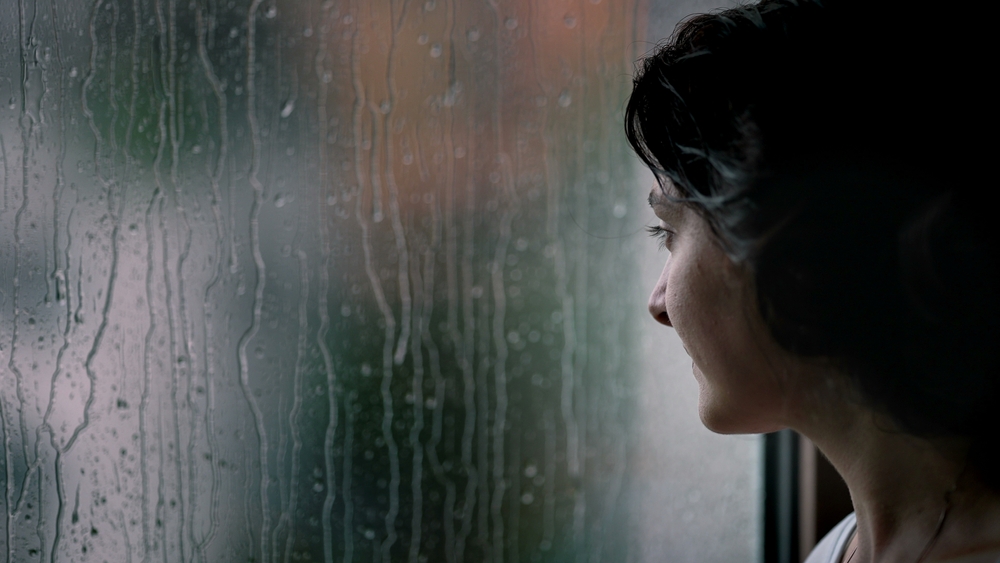
Why So Many People Feel They Have to Earn Happiness
For many people, happiness feels like something that must be deserved. There’s often an invisible checklist that needs to be completed before enjoying life’s better moments. Maybe it’s reaching a financial goal, getting promoted, buying a house, or simply feeling more productive. Until then, pleasure is treated as a reward instead of a normal part of everyday life.
This mindset often develops gradually. People convince themselves they’re being practical by delaying gratification, and in many situations, that instinct can be helpful. Saving money for emergencies or planning carefully before making a major decision are responsible habits. The problem begins when nearly every enjoyable experience gets pushed into an uncertain future that may never arrive.
The pattern shows up in surprisingly ordinary ways. Someone buys a beautiful notebook but refuses to write in it because they’re waiting for the “right project.” Another person keeps expensive candles untouched for years because they don’t want to waste them on an ordinary evening. Others postpone visiting family, taking a weekend trip, or pursuing hobbies because life feels too busy. None of these decisions seem significant on their own, yet together they create a life where anticipation replaces experience.
Instead of living in the present, many people become experts at preparing for a better tomorrow. Every postponed decision reinforces the belief that today’s version of life isn’t quite worthy of celebration. Ironically, that future often never feels complete enough either, leaving people trapped in a cycle of perpetual waiting.

Your Brain Is Wired to Keep Chasing What’s Next
According to psychologist Eric Solomon, Ph.D., the explanation lies in the way our brains process desire and satisfaction. While many people assume they’re driven by simple willpower, psychology suggests something much deeper is happening beneath the surface.
As Solomon explains, “The brain runs wanting and liking on two different neural systems. Wanting is the chase, the lean-forward, pull-toward something you haven’t yet reached. Liking is the slower pleasure of actually having it. The chase is the more powerful system of the two, the one evolved to keep you reaching, and it turns out that the hit of wanting fires whether or not the liking ever arrives.”
That distinction helps explain why imagining an experience often feels almost as exciting as actually having it. Planning a holiday, filling an online shopping cart, bookmarking recipes, or creating playlists can all trigger feelings of anticipation. Your brain rewards the pursuit itself, making it surprisingly easy to keep collecting possibilities without ever fully enjoying them.
Modern life amplifies this tendency. Streaming platforms offer millions of songs, online stores provide endless products, and social media constantly introduces new destinations, hobbies, and lifestyles. Instead of encouraging people to savor what they already have, these endless choices encourage continuous searching. Every new possibility creates another reason to delay enjoying the one already within reach.

The Search for the Perfect Moment Can Become Endless
The idea of waiting until everything is just right feels comforting because it promises certainty. People often believe they’ll enjoy life more once they have enough money, enough confidence, or enough free time. Unfortunately, psychology suggests that perfect moment rarely arrives.
Trauma therapist Molly Halbrooks believes many people unknowingly build their lives around this illusion. “We are trying to optimize our way out of pain, suffering, and uncertainty, so that when we finally do the thing, take the trip, go back to school, have the baby, get married, reach the next goal, we will live happily ever after and not struggle anymore,” she explains.
The reality is much different. Happiness isn’t a permanent destination waiting at the end of a checklist. Like every other emotion, it naturally comes and goes. Treating it as something that only appears after reaching certain milestones can leave people feeling disappointed each time they accomplish a goal, only to discover another one has taken its place.
Instead of recognizing joy in ordinary moments, many people become trapped in an endless cycle of preparation. They keep improving, saving, planning, and optimizing, believing fulfillment is always one achievement away. By the time they reach that point, they’ve often spent years postponing the very experiences they hoped would make life meaningful.

Signs You’re Putting Your Life on Hold Without Realizing It
Most people don’t wake up one morning and decide to postpone living. Instead, the habit develops through dozens of small choices that seem perfectly reasonable at the time. Each decision feels responsible on its own, but together they can create a lifestyle built around waiting instead of experiencing.
You might tell yourself that you’ll enjoy something once you’ve earned it or when life becomes less stressful. The problem is that life’s demands rarely disappear. One goal is replaced by another, and another after that, making it easy to spend years delaying the very things that bring happiness.
If any of these habits sound familiar, psychology suggests you may be saving your life for a future that never seems to arrive:
- Waiting until you’re more financially secure before traveling, even when smaller, affordable adventures are possible today.
- Saving your favorite clothes or expensive purchases for a special occasion that never seems to come.
- Putting hobbies on hold because work or family responsibilities always take priority.
- Keeping special food, wine, or gifts untouched, believing they should only be enjoyed under perfect circumstances.
- Delaying time with friends and loved ones, assuming there will always be another opportunity to reconnect.
- Refusing to celebrate small victories, convincing yourself you’ll be happier after reaching an even bigger milestone.
None of these behaviors automatically signal a problem. The concern arises when they become your default approach to life. If enjoyment is always postponed until tomorrow, today’s experiences begin to lose their value, and meaningful moments quietly slip away unnoticed.

How to Start Enjoying the Life You Already Have
Breaking this pattern doesn’t mean abandoning financial goals or ignoring responsibilities. Planning for the future is still important, but it shouldn’t come at the cost of never appreciating the present. Psychology suggests the healthiest approach is finding room for both preparation and enjoyment rather than treating them as opposites.
Halbrooks believes joyful living is built through everyday experiences rather than extraordinary events. “Joyful living is made up of small moments, of allowing ourselves to savor little things, to treat enjoyment and pleasure as necessities rather than something we have to earn or can only have when we’ve completed our tasks,” she says.
That shift doesn’t require dramatic life changes. It could be as simple as reading the book that’s been sitting untouched on your shelf, taking yourself out for coffee on a weekday, lighting the candle you’ve been saving for months, or finally calling the friend you’ve been meaning to catch up with. These choices may seem insignificant, but together they teach your brain that happiness belongs in the present, not just in an imagined future.
Instead of asking whether today is special enough to deserve those moments, consider asking a different question: if not today, then when? The perfect circumstances many people wait for rarely appear, but meaningful experiences can happen on ordinary Tuesday afternoons just as easily as during major celebrations.
Life Doesn’t Wait for the Perfect Moment
Planning ahead will always be part of a healthy life. Saving money, setting goals, and preparing for the future are valuable habits. But psychology suggests there’s an important difference between preparing for tomorrow and postponing today.
Many people spend years waiting for life to begin after the next promotion, the next relationship, or the next financial milestone. The irony is that by the time those goals arrive, new ones have already taken their place. Happiness keeps moving further down the road while the present quietly passes by.
The moments that matter most are often far less dramatic than we imagine. They’re the dinner shared with family, the spontaneous weekend trip, the book finally read, the hobby picked back up, or the phone call that shouldn’t have been delayed. Those experiences rarely announce themselves as life-changing while they’re happening, but they’re often the memories people treasure most years later.
The future deserves your attention, but it shouldn’t receive all of your life. Sometimes the best decision isn’t to keep saving your happiness for someday. It’s to recognize that the life you’ve been waiting to enjoy has already begun.
Sources:
- Iyengar, S. S., & Lepper, M. R. (2000). When choice is demotivating: Can one desire too much of a good thing? Journal of Personality and Social Psychology, 79(6), 995-1006. https://doi.org/10.1037/0022-3514.79.6.995
- Chernev, A., Böckenholt, U., & Goodman, J. K. (2015). Choice overload: A conceptual review and meta-analysis. Journal of Consumer Psychology, 25(2), 333-358. https://doi.org/10.1016/j.jcps.2014.08.002
Behavioral Psychology, emotional wellbeing, Happiness, happiness habits, healthy habits, life advice, life lessons, Mental Health, mindfulness, motivation, personal growth, positive psychology, present moment, procrastination, Productivity, psychology, psychology tips, self awareness, self improvement