
Your cart is currently empty!
Chernobyl’s Wildlife Boom Reveals An Uncomfortable Truth About Human Impact
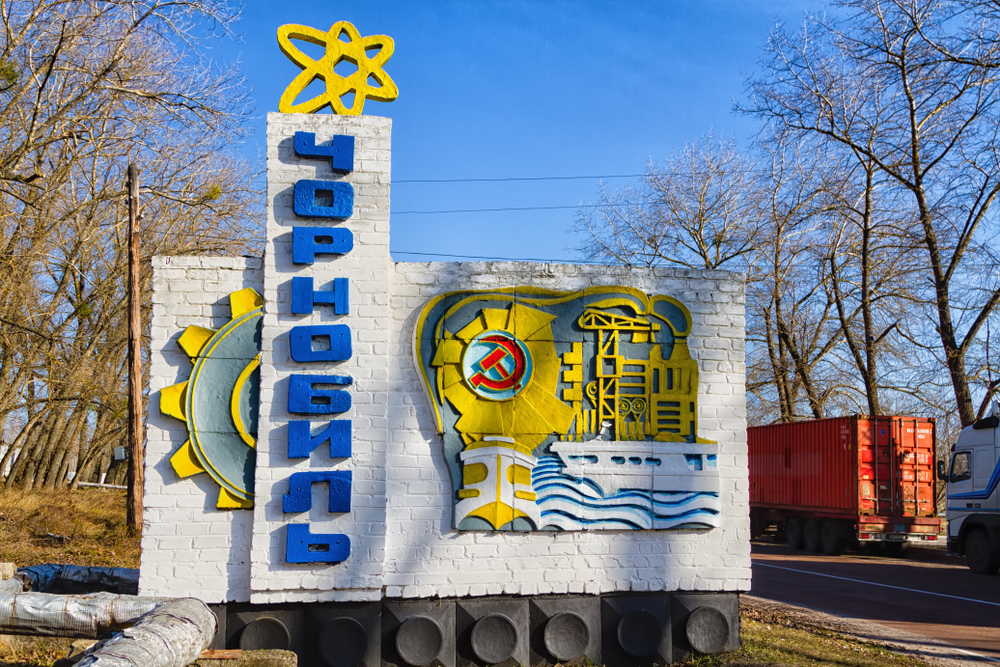
Four decades after one of history’s worst nuclear disasters turned a vast stretch of northern Ukraine into a restricted zone, something unexpected is happening among its abandoned buildings and overgrown forests. Wolves roam through the landscape, wild horses move across open ground, and other large mammals have established a presence in an area once defined by human catastrophe. Chernobyl remains associated with radioactive contamination, yet its exclusion zone has also become an extraordinary place to observe wildlife living with far less human interference.
Contents
show
A new study published in Proceedings of the Royal Society B has examined wildlife across the Chernobyl region and found that protected areas with fewer human disturbances supported greater mammal diversity and occupancy. The finding raises an uncomfortable question about the relationship between people and nature. While the nuclear disaster created an environmental crisis with consequences that continue today, the subsequent absence of human activity appears to have benefited some wildlife populations. The research does not suggest that radiation is harmless, but it reveals how strongly human presence can influence the places animals are able to occupy.
Wildlife Has Returned To Chernobyl’s Abandoned Landscape
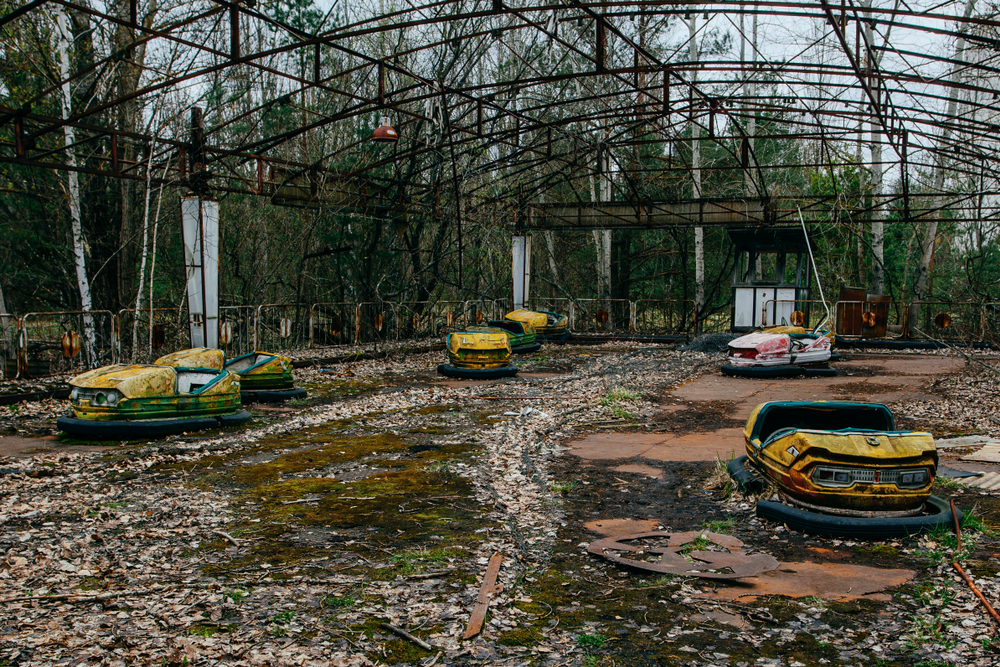
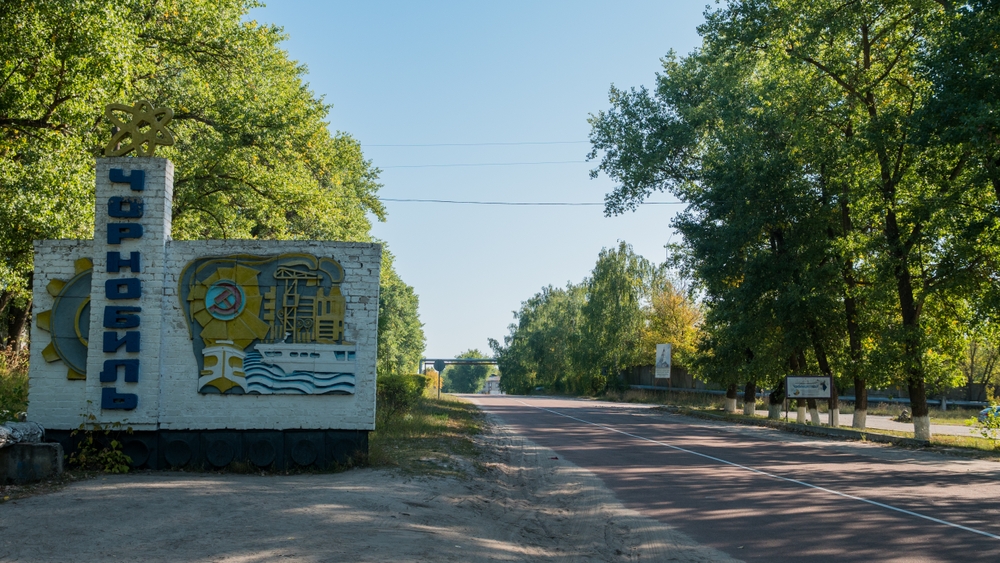
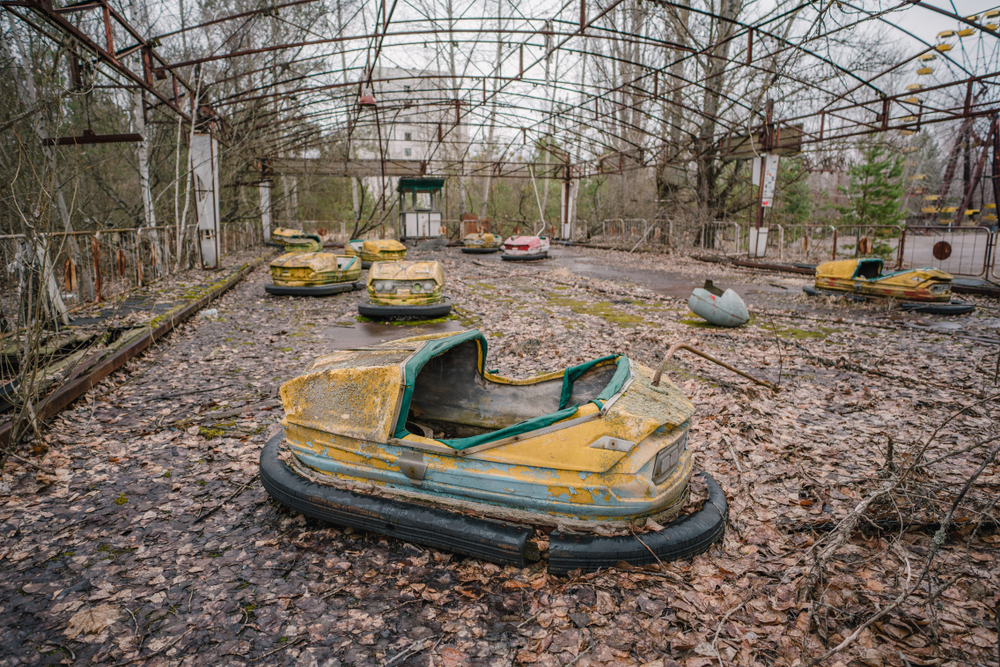
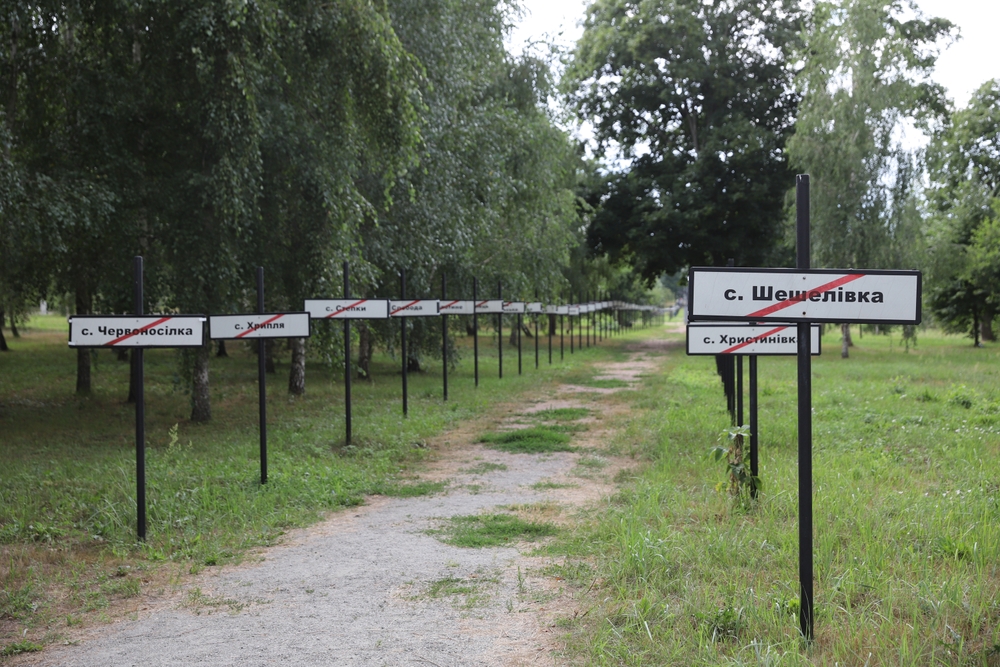
The Chornobyl Exclusion Zone covers approximately 2,600 square kilometres in northern Ukraine, where access has been restricted since the 1986 reactor explosion. The disaster forced residents to leave their homes and released radioactive material into the surrounding environment, leaving a landscape that would remain associated with danger for generations. Over time, however, abandoned settlements, forests and open habitats became places where wildlife could move with considerably less everyday human interference.
Researchers used camera traps between 2020 and 2021 to examine mammals across a much larger study area covering approximately 60,000 square kilometres. The supplied research summary reports 31,200 animal sightings, with nearly 20,000 recorded inside the Chernobyl reserve alone. The cameras documented a range of mammals, including wolves, Eurasian lynx, moose, red deer and wild boar, demonstrating how extensively wildlife uses parts of the region.
The presence of these animals does not mean Chernobyl has returned to its pre-disaster condition. Radioactive contamination remains an important environmental concern, and the long-term effects vary across species and locations. Nevertheless, the observations reveal a landscape where wildlife can occupy areas that have experienced a dramatic reduction in ordinary human activity.
Scientists Identified A Major Factor Behind The Wildlife Boom
The study examined how wildlife occupancy varied across protected areas with different characteristics and levels of human disturbance. Its findings indicated that larger, better-connected reserves with stronger restrictions on human access supported greater mammal diversity and occupancy. Areas with weaker protection or more opportunities for human disturbance generally produced less favourable results, suggesting that the way people use a landscape can influence which animals remain there.
Moose were particularly sensitive to human presence in the supplied research summary, with their numbers falling noticeably when researchers entered the area. Such observations point to the importance of considering disturbance when studying wildlife. Even where suitable habitat exists, repeated encounters with people can influence how animals use their surroundings and which parts of a landscape they occupy.
The researchers were investigating patterns of wildlife distribution rather than attempting to determine whether radiation had harmed or benefited animal health. Their findings therefore offer a specific conclusion about human activity and protected landscapes. Chernobyl’s wildlife cannot be used as proof that radioactive environments are safe, but the research suggests that limiting human disturbance can make a meaningful difference to mammal occupancy.
Chernobyl’s Wildlife Story Comes With A Serious Warning
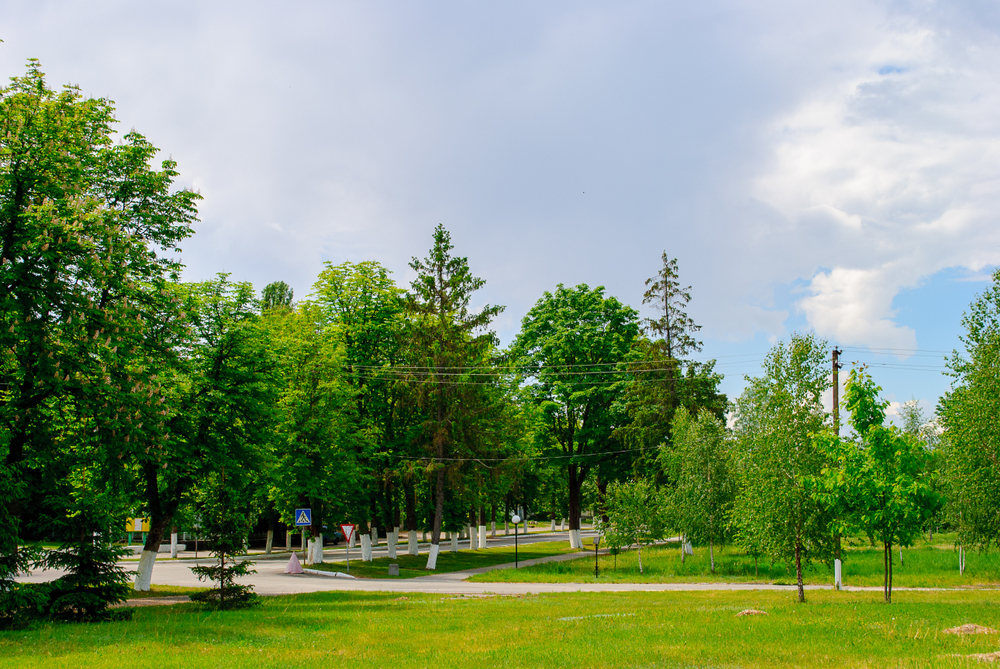
The apparent recovery of wildlife inside the exclusion zone can be striking, particularly when compared with the destruction that followed the reactor explosion. However, seeing animals living in a contaminated environment is different from proving that those animals are healthy or unaffected by radiation. Camera traps record where animals appear, but they cannot independently establish reproductive success, disease rates, life expectancy or the biological effects of long-term exposure.
The exclusion zone has also experienced major changes since Russia’s invasion of Ukraine in 2022. Security concerns and restrictions have made access to parts of the region more difficult, complicating the collection of further observations. This creates additional challenges for scientists who want to understand whether the patterns identified in earlier surveys remain consistent over time.
Continued research will be needed to separate the effects of human disturbance from those of radioactive contamination and other environmental pressures. Different species may respond differently to these conditions, and the findings from one protected landscape cannot automatically be applied to every ecosystem. The evidence currently points to the benefits of reducing human pressure, while leaving important questions about radiation and animal health unanswered.
The Findings Could Change How Wildlife Reserves Are Managed
The research also offers lessons for conservation areas far beyond Ukraine. Protected land is more likely to support wildlife when animals have enough space to move and when separate habitats remain connected. Restrictions on human access can help preserve those conditions, particularly for species that avoid frequent encounters with people.
Conservationists can apply several principles when managing wildlife habitats:
- Protect larger areas: Extensive habitats provide more room for animals to feed, breed and find shelter.
- Maintain habitat connections: Linked reserves can help wildlife move between suitable environments.
- Reduce human disturbance: Limiting unnecessary access can allow sensitive species to use more of their available habitat.
- Enforce protection rules: Conservation boundaries work best when restrictions are applied consistently.
- Monitor individual species: Different animals respond differently to disturbance and environmental conditions, requiring careful assessment.
These measures do not require a disaster or the abandonment of entire communities. They can be incorporated into the management of forests, wetlands and other natural areas where development and human activity affect wildlife. Chernobyl offers an unusual example of what can happen when human pressure falls sharply, but responsible conservation still requires balancing ecological needs with the needs of people who live and work nearby.

Chernobyl Is Not Proof That Radiation Helps Wildlife
It would be misleading to describe the exclusion zone as a perfect wildlife sanctuary. The region remains marked by a nuclear disaster that displaced communities and caused lasting environmental damage. The return or continued presence of wildlife does not erase those consequences, nor does it establish that every species is thriving.
The most important distinction is between an animal’s presence and its overall biological condition. A wolf photographed moving through a forest confirms that it uses that habitat, but the image cannot reveal its lifetime radiation exposure or whether contamination has affected its health. Answering those questions requires different forms of scientific investigation alongside the monitoring of animal populations.
Chernobyl is therefore best understood as an unusual natural experiment in reduced human activity, not a model that should be deliberately recreated. Its wildlife provides valuable evidence about habitat protection and disturbance, while the effects of radioactive contamination remain a separate concern. The research offers a powerful argument for giving animals more space and reducing unnecessary interference in the environments they depend on.
The Future Of Chernobyl’s Wildlife Remains Uncertain
Further monitoring could help researchers understand how mammal populations change over time and whether the relationships between wildlife occupancy, human activity and habitat connectivity remain consistent. Investigating animal health and radiation exposure would also help answer questions that camera-trap surveys alone cannot resolve. Access restrictions linked to the war have made such work more difficult, leaving important gaps in what scientists currently know.
For now, the findings show that wildlife can occupy a landscape profoundly altered by human activity, even when that landscape carries serious environmental risks. They also demonstrate that protected areas are most effective when they offer sufficient space, maintain connections between habitats and limit disturbance. Those lessons can inform conservation decisions in many places where wildlife is competing with expanding human activity.
Chernobyl’s history began with a disaster that devastated communities and contaminated the surrounding environment. Its forests now offer a stark lesson about the conditions animals need to occupy a landscape.