
Your cart is currently empty!
Ebola Strain With No Vaccine Triggers WHO Global Emergency as Deaths Mount Across Congo and Uganda
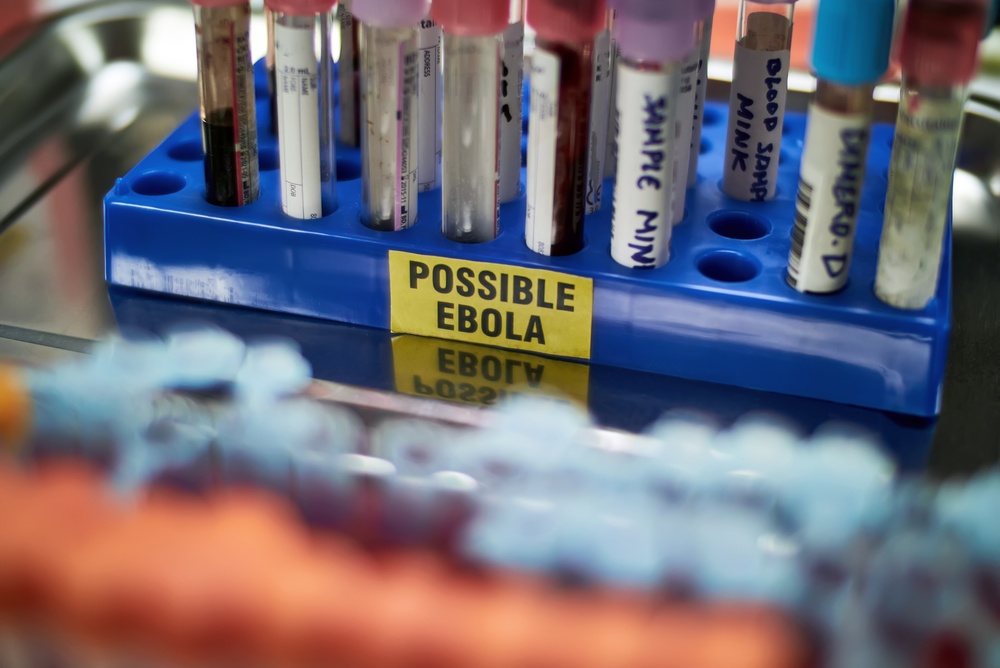
Something deadly moved through the mining communities of northeastern Democratic Republic of Congo for weeks before anyone with the right tools and the right answers knew what to call it. By the time health officials had a name for it, dozens had already died, an international border had already been crossed, and a chain of events had been set in motion that would carry the crisis far beyond the forests of Ituri Province.
Contents
show
On May 18, 2026, WHO Director-General Tedros Adhanom Ghebreyesus stood before reporters and said he was “deeply concerned about the scale and speed of the epidemic” as his agency formally declared the outbreak a Public Health Emergency of International Concern. At least 513 suspected cases and 131 suspected deaths had been recorded across the DRC, with confirmed cases now reported in Uganda and spreading across at least nine health zones in Ituri Province.
What began as a cluster of severe illnesses in a remote hospital has grown into a fast-moving crisis that is straining response systems, alarming governments on multiple continents, and raising difficult questions about how a pathogen of this kind managed to circulate undetected for so long.
How the Outbreak Began
Late April brought the first death in Bunia, the capital of Ituri Province. When health workers repatriated the body to the Mongbwalu health zone, a densely populated mining area in northeastern DRC, they unknowingly carried the virus with them. A second person fell ill just two days later, on April 26, prompting officials to send samples to Kinshasa for analysis.
Early tests came back negative. Those samples had been screened for Ebola-Zaire, the more common and better-known strain of the virus, and every result pointed away from Ebola entirely. Weeks passed. People kept dying.
On May 5, the WHO received an alert about roughly 50 deaths in Mongbwalu, including four healthcare workers. A new round of testing was ordered, and this time, 8 of the 13 samples returned positive results. Genetic fingerprinting identified the culprit as Bundibugyo virus, a rare variant of Ebola for which no approved vaccine or therapeutic currently exists.
By the time contact tracing teams mobilized and treatment protocols were in place, the virus had already been circulating for several weeks and had found its way across an international border. Matthew Kavanagh, director of the Georgetown University Center for Global Health Policy and Politics, captured the problem plainly when he said that because of the false-negative tests, “we are playing catch-up against a very dangerous pathogen.”
A Strain Without a Safety Net
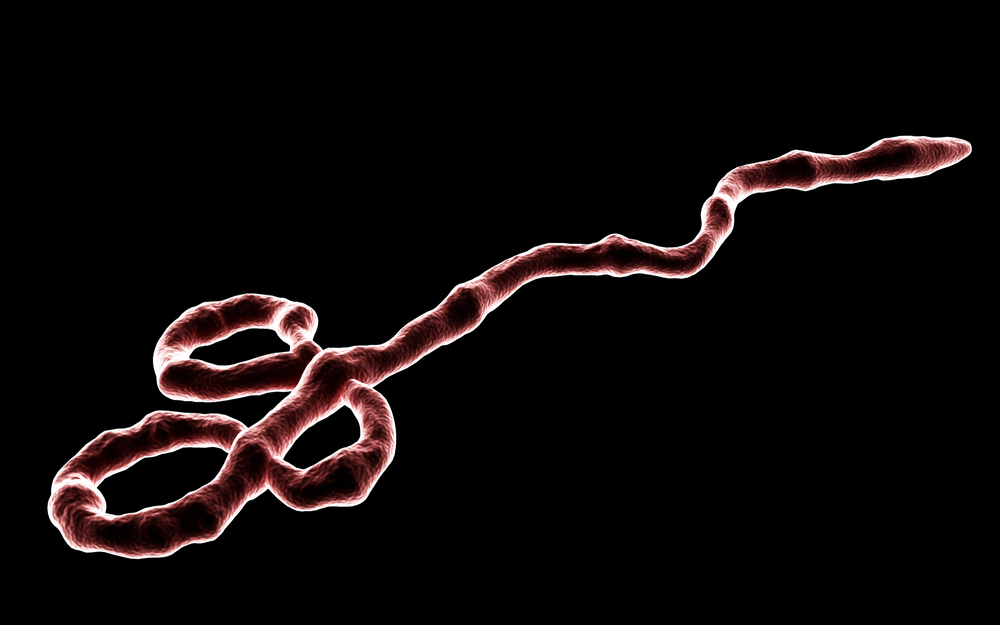
Bundibugyo virus is one of four orthoebolaviruses known to cause Ebola disease in humans, but it is by far the least familiar. Before this outbreak, it had only been responsible for two previous Ebola episodes on record: one in Uganda in 2007, which resulted in 55 cases, and one in DRC in 2012, producing 57 cases. Both were contained. Both were far smaller than what health officials are now looking at.
Fatality rates in those earlier outbreaks ranged between 25 and 50 percent. Unlike Ebola-Zaire, for which approved vaccines and experimental therapeutics have been developed over years of hard-won progress, Bundibugyo has neither. Patients receive supportive care, and outcomes depend heavily on how quickly they reach treatment.
Symptoms follow a pattern familiar to anyone who has tracked Ebola outbreaks: fever, headache, vomiting, severe weakness, abdominal pain, nosebleeds, and vomiting blood. In the current outbreak, most confirmed cases in DRC have been in people between the ages of 20 and 39, with roughly two-thirds of patients being female. Healthcare workers have also been among those infected, a pattern that signals gaps in infection prevention and control at health facilities and raises concern about further spread within clinical settings.
How Far It Has Spread
Cases have been confirmed in Bunia, Goma, Butembo, Mongbwalu, and Nyakunde, cutting across both Ituri Province and North Kivu. On May 15 and 16, two laboratory-confirmed cases were reported in Kampala, Uganda, both among individuals who had traveled from DRC. Both patients were admitted to intensive care units. One of them died. Those two cases, reported within 24 hours of each other and with no apparent link between them, prompted WHO to flag international spread as already underway.
Eastern DRC carries a set of conditions that make outbreak containment especially difficult. Ongoing insecurity, active armed groups, a protracted humanitarian emergency, high population mobility through mining corridors, and a large network of informal healthcare facilities all compound the risk that the virus will continue spreading before responders can get ahead of it. WHO drew explicit parallels to the 2018–19 Ebola epidemic in North Kivu and Ituri, which infected thousands and resisted containment for nearly two years.
Rwanda announced it would tighten screening along its border with DRC as a precautionary step. Nigeria said it was monitoring the situation closely. WHO urged all countries sharing land borders with DRC to enhance preparedness, including active surveillance at health facilities, access to qualified diagnostic laboratories, and the rapid establishment of response teams. At the same time, the WHO issued a firm caution to governments worldwide: no country should close its borders or restrict trade, as doing so pushes movement of people and goods toward informal and unmonitored crossings, increasing rather than reducing the risk of spread.
An American Doctor at the Center
Among the confirmed cases is Dr. Peter Stafford, a U.S. physician working with the medical missionary organization Serge in Bunia. Stafford had been treating patients at a hospital in the city when he developed symptoms over the weekend of May 17 and subsequently tested positive for Bundibugyo virus, marking the first confirmed American case in the current outbreak.
Three other Serge employees had been working at the same facility, including Stafford’s wife, Dr. Rebekah Stafford. None showed symptoms, and all were following quarantine protocols. Arrangements were made to transfer Dr. Peter Stafford to Germany for treatment, with Germany’s Health Ministry confirming it was preparing to admit and care for the patient at the request of the U.S. government. Germany was selected partly for its shorter flight time from the affected region and partly because it has prior experience managing Ebola patients within its healthcare system.
At least six Americans were reported to have been exposed during the outbreak. CDC confirmed it was coordinating the safe withdrawal of those directly affected, without specifying an exact number.
Washington Responds
On May 18, the CDC and the U.S. Department of Homeland Security rolled out enhanced travel screening measures, entry restrictions, and new public health protocols aimed at preventing the Bundibugyo virus from entering the United States. Non-U.S. passport holders who had been in DRC, Uganda, or South Sudan within the previous 21 days became subject to entry restrictions. A Level Four travel advisory, the most severe rating available, was issued for DRC.
CDC stated that the overall risk to the American public remained low, but moved forward with a range of proactive measures: coordinating with airlines and port-of-entry officials to identify and manage potentially exposed travelers, expanding laboratory testing capacity, and enhancing hospital readiness nationwide. The U.S. State Department confirmed that $13 million in assistance had already been committed to support the outbreak response in both Congo and Uganda.
What makes the U.S. response logistically unusual is that the country formally withdrew from the WHO in January 2026. CDC also operates without a confirmed director, amid ongoing leadership instability at the Department of Health and Human Services.
Funerals, Communities, and Transmission
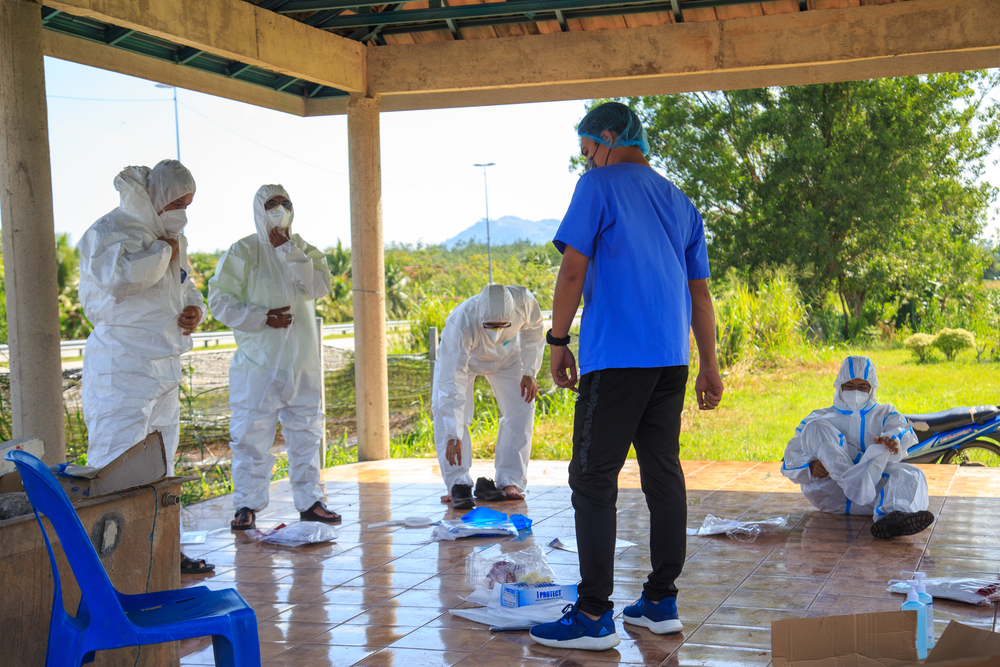
One of the most sobering lessons from previous Ebola outbreaks is the role that funeral and burial practices can play in spreading the virus. In the 2014–2016 West Africa outbreak, the deadliest in recorded history, with more than 28,600 infections and 11,325 deaths across multiple countries, community funerals where mourners helped wash the bodies of the deceased became one of the primary drivers of transmission.
Africa CDC head Jean Kaseya invoked that history when he spoke to the BBC, making clear that funeral conduct remains a serious concern in the current outbreak. “We don’t want people infected because of funerals,” he said, urging communities to follow public health guidance on handling the remains of those who die from the disease.
WHO has issued guidance requiring that burials be carried out by trained personnel, with provisions for family presence and cultural practices within safe parameters. Cross-border movement of remains from suspected or confirmed cases is prohibited unless explicitly authorized under international biosafety provisions. Community engagement, WHO stressed, must go beyond health messaging and bring in local, religious, and traditional leaders as active partners in case identification, contact tracing, and risk education. In eastern DRC, where years of conflict have eroded trust in outside institutions, that engagement is both a necessity and one of the hardest things to achieve.
Catching Up to a Virus With a Head Start
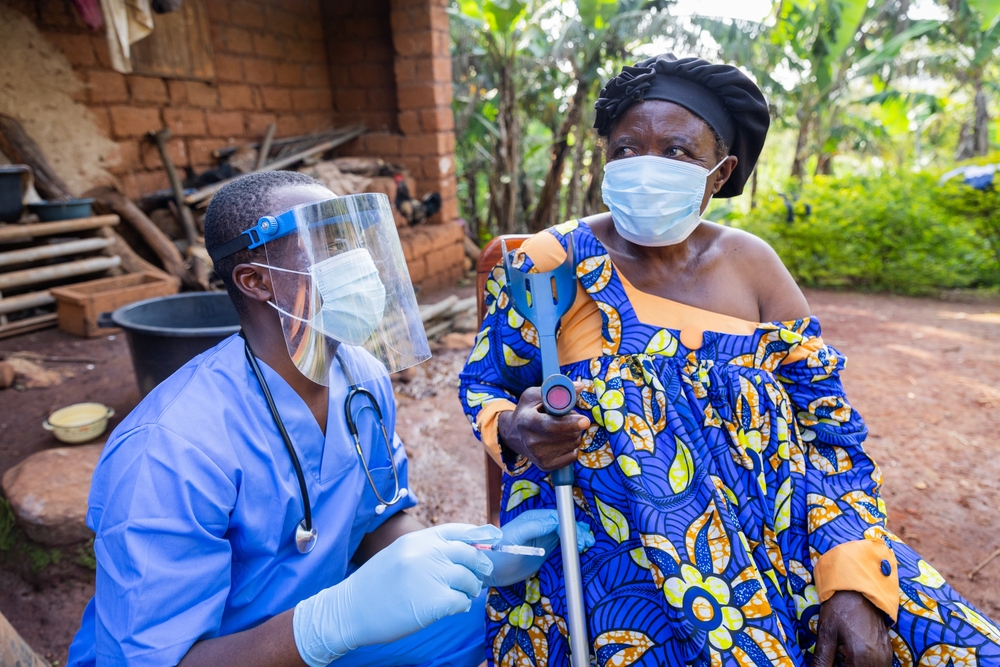
WHO has convened its Emergency Committee to issue formal temporary recommendations to member states, with current guidance subject to further refinement as that process concludes. Clinical trials for candidate therapeutics and vaccines are expected to begin with partner support, representing the first serious attempt to develop tools specific to the Bundibugyo virus.
DRC has recorded 17 Ebola outbreaks since 1976, with the most recent ending in December 2025. Each one has tested the limits of health infrastructure in one of the world’s most resource-constrained and conflict-affected countries. Whether this outbreak can be contained before it reaches the scale that health officials fear will depend on how fast field operations can scale up, how effectively communities can be engaged, and whether modern outbreak response tools can outrun a virus that had a several-week head start.
As Ghebreyesus made clear on Tuesday, the numbers are still expected to change as field operations scale up, and in outbreak response, numbers that change quickly rarely carry reassuring news.
Africa Health Crisis, Bundibugyo Virus, CDC Travel Advisory, Congo Health Crisis, Congo Uganda Border, DRC Ebola Outbreak, Ebola, Ebola Congo 2026, Ebola Healthcare Workers, Ebola No Vaccine, Ebola Spread, Ebola Transmission, Global Health News, Ituri Province, Peter Stafford Ebola, public health emergency, Uganda Ebola, Viral Hemorrhagic Fever, WHO Emergency Declaration, WHO PHEIC