
Your cart is currently empty!
Scientists Found a Possible Weak Spot in Parkinson’s Disease, And a Cancer Drug May Already Target It
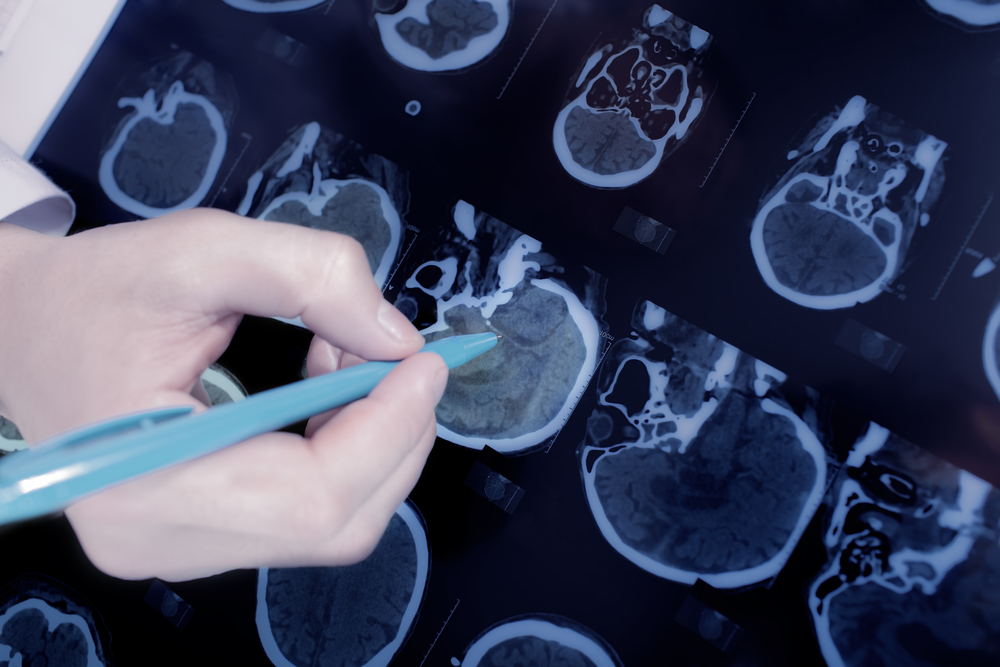
Parkinson’s disease has always presented researchers with a brutal problem: by the time symptoms become obvious, damage has already been spreading through the brain for years. Now, scientists at Johns Hopkins University School of Medicine have identified a pair of proteins that appear to help harmful alpha-synuclein move from neuron to neuron, and blocking them dramatically changed what happened in mice.
Contents
show
The surprising part is where one of those proteins leads. Lag3, a protein involved in the process, is already targeted by an FDA-approved cancer treatment. The researchers have not shown that the cancer drug can treat Parkinson’s, and the work remains firmly in the laboratory stage. But the discovery gives scientists a specific mechanism to investigate rather than simply trying to manage the symptoms after neurological damage has occurred.

The Protein Behind Parkinson’s Spread
Parkinson’s is best known for tremors, stiffness, slowed movement and problems with balance. But the disease can also involve sleep disturbances, pain, mood changes and cognitive problems, making it far more complicated than a condition that simply affects movement. More than 8.5 million people were living with Parkinson’s worldwide in 2019, according to the World Health Organization.
Inside affected brain cells, researchers often find abnormal clumps of a protein called alpha-synuclein. These aggregates are associated with the neurological damage seen in Parkinson’s and related conditions. Researchers have been studying how those abnormal proteins move through the brain because stopping that process could potentially interfere with the progression of the disease.
Current Parkinson’s treatments mainly target the consequences of neurological damage. Levodopa can replace dopamine that damaged neurons are no longer producing effectively, while treatments such as deep brain stimulation and focused ultrasound can reduce certain movement symptoms. Those approaches can improve quality of life, but they do not directly stop alpha-synuclein from spreading between cells.
Researchers Found Two Proteins Working Together
The Johns Hopkins researchers had already been investigating Lag3 for years. In earlier research published in 2016, the team reported that Lag3 could bind pathological alpha-synuclein and help pull it into neurons, giving scientists a possible explanation for how harmful protein aggregates could move through the brain.
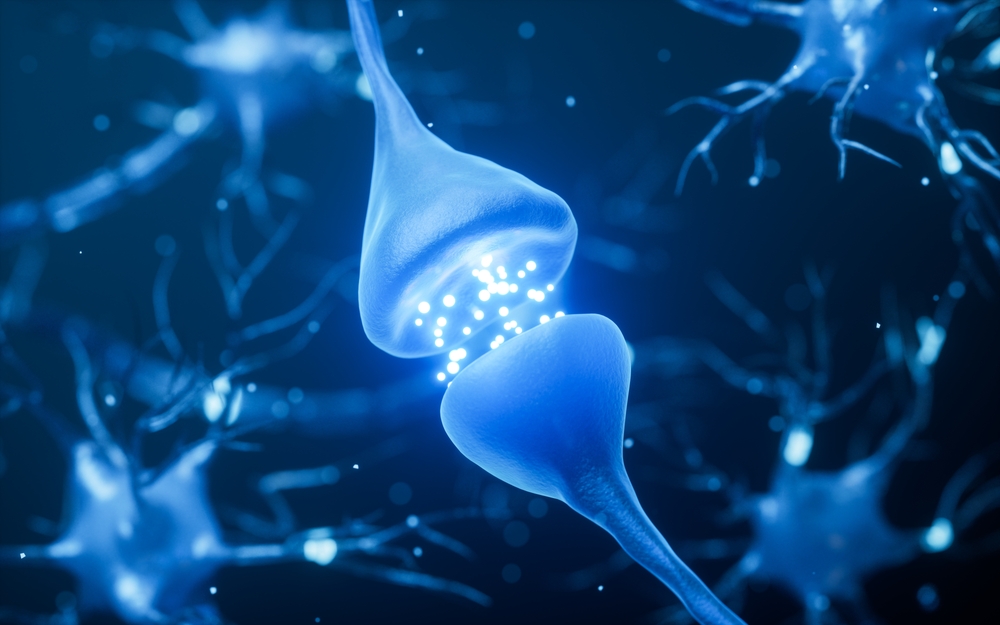
Their 2024 research identified another protein involved in the process: Aplp1. The researchers reported that Aplp1 sits alongside Lag3 on the surface of neurons and helps the two proteins work together. The combination appeared to be involved in binding abnormal alpha-synuclein, bringing it inside cells and helping the harmful material continue its spread.
That creates a potentially important target. If the interaction between Aplp1 and Lag3 helps pathological alpha-synuclein enter neurons, interfering with that interaction could theoretically reduce the amount of abnormal protein getting into healthy cells. The researchers then tested what happened when they removed those proteins from neurons.
Removing Both Proteins Changed The Results
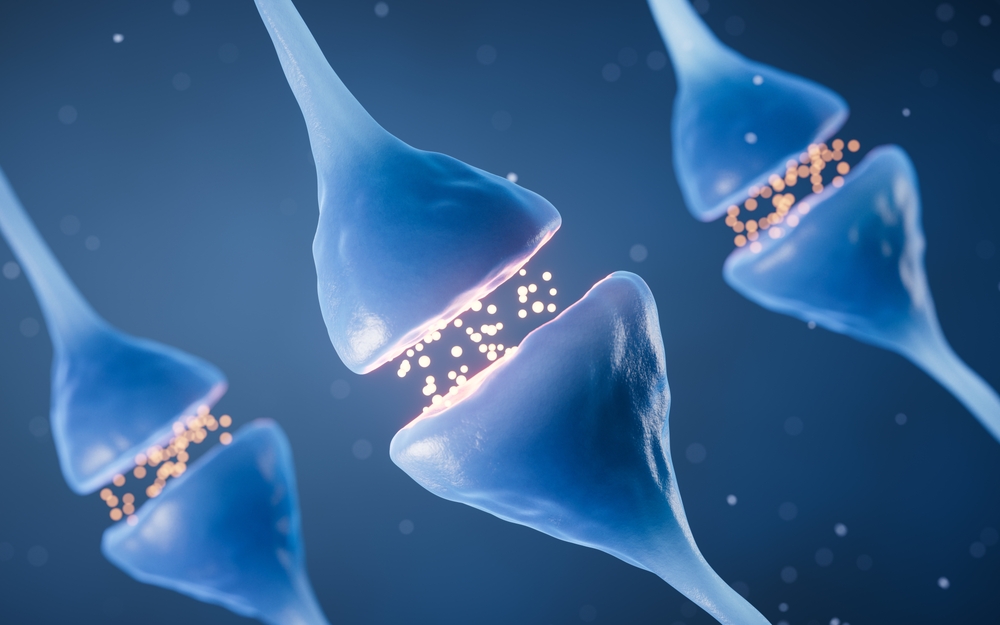
The researchers measured levels of pathological alpha-synuclein after altering the neurons. Cells without Aplp1 took up around 60% less abnormal alpha-synuclein than normal cells, while cells missing both Aplp1 and Lag3 took up roughly 90% less.
That difference caught attention because it suggested the two proteins were doing more than simply appearing in the same biological pathway. Removing one reduced the uptake, while removing both produced a much larger effect. The researchers then moved beyond cells in a dish and tested the mechanism in living mice.
In those animals, deleting both proteins prevented the loss of dopamine-producing neurons and stopped the behavioral problems that normally followed the injection of alpha-synuclein fibrils. That does not prove the same thing will happen in people, but it gave the researchers a reason to look for a way to block the proteins without genetically removing them.
The experiment also produced a clear target for drug development:
- Aplp1: Helps form the protein partnership involved in alpha-synuclein uptake.
- Lag3: Binds pathological alpha-synuclein and appears to participate in its movement into neurons.
- Both together: Removing both sharply reduced the amount of abnormal protein entering cells in the researchers’ experiments.

The Cancer Connection Is The Strange Part
The team then tested an antibody called 410C9, which targets Lag3. In the mouse experiments, weekly injections interfered with the Lag3 partnership and were associated with improved performance on tests involving movement and grip strength.
Ted Dawson, who co-led the research, said the anti-Lag3 antibody “was successful in preventing further spread of alpha-synuclein seeds in the mouse models” and “exhibited better efficacy than Lag3-depletion because of Aplp1’s close association with Lag3.”
Lag3 is also targeted by relatlimab, an immunotherapy drug used as part of Opdualag. The FDA approved Opdualag in 2022 for certain patients with unresectable or metastatic melanoma. That does not mean the cancer drug has been shown to treat Parkinson’s. The research antibody used in the Hopkins experiments was 410C9, not Opdualag.
That distinction is critical because it would be easy to turn the finding into a headline claiming an existing cancer medicine can treat Parkinson’s. The research has not established that. What it has established is that one of the biological targets being investigated in Parkinson’s is already a target for an approved cancer therapy, creating an intriguing possibility for future research.

There Is Still A Major Scientific Dispute
The Lag3 story is not settled. A separate research team led by Marc Emmenegger and Adriano Aguzzi published findings in 2021 that challenged the idea that neurons express Lag3 in the way required by the Hopkins mechanism.
Their study used genomic and proteomic approaches and reported that they could not confirm Lag3 expression in human or mouse neurons. The paper also concluded that Lag3 did not appear to regulate alpha-synuclein-related disease in the models they examined.
The Hopkins group later published additional research in January 2025 arguing that neuronal Lag3 does mediate alpha-synuclein binding, uptake and propagation. That work strengthens the original group’s position, but the disagreement means researchers still need independent evidence before the mechanism can be treated as settled.
There are other obstacles too. Antibodies generally have difficulty crossing the blood-brain barrier, meaning only a small fraction of a circulating antibody dose reaches the brain. Opdualag also carries significant risks because it is an immunotherapy designed for people with serious cancer, where those risks are weighed against the consequences of untreated or advanced melanoma.
The Parkinson’s Research Is Still In Mice
The researchers have described additional experiments involving anti-Lag3 antibodies in mouse models of Parkinson’s and Alzheimer’s disease. Human testing would come later, assuming those studies continue to support the mechanism.
For people living with Parkinson’s, the distinction between a laboratory lead and an available treatment is enormous. No one should interpret this research as evidence that Opdualag or another Lag3-targeting cancer drug should be taken for Parkinson’s disease.
What makes the discovery interesting is the specificity of the target. Researchers are no longer looking only at how to compensate for neurons after they have been damaged. They are investigating whether a particular biological interaction helps the disease spread from one cell to another, and whether interfering with that interaction can slow the process.
The Real Test Comes Next
The most important question now is whether the mechanism survives further testing. Results in genetically modified mice and cultured neurons can reveal potential pathways, but human brains are considerably more complicated, and treatments that work in animals frequently fail to produce the same results in clinical trials.
The cancer connection gives researchers an unusual starting point, but it does not provide a shortcut. The fact that a drug targets Lag3 does not establish that it will reach the right cells in the brain, produce the desired effect or have an acceptable safety profile for people with Parkinson’s.
For now, the finding is best understood as a promising research lead rather than a Parkinson’s treatment. If future studies confirm that Aplp1 and Lag3 are genuinely involved in the human disease, blocking that interaction could give researchers something they have long been searching for: a way to interfere with the process that allows Parkinson’s-related pathology to keep spreading.
Sources:
- New study suggests cancer drug could be used to target protein connection that spurs Parkinson’s disease. (2024, June 24). ScienceDaily. https://www.sciencedaily.com/releases/2024/06/240617173414.htm
- Neuroscience News. (2024, June 17). Cancer Drug May Halt Parkinson’s Spread. https://neurosciencenews.com/parkinsons-cancer-drug-26333/