
Your cart is currently empty!
Singles Are Calling ‘Floodlighting’ The Most Emotionally Draining Dating Trend Yet

Modern dating already feels emotionally chaotic enough without turning every first date into an impromptu therapy session. But a growing number of singles say that is exactly what keeps happening, thanks to a dating behavior now being labeled “floodlighting.” The term has exploded across social media discussions about toxic relationship patterns, with people describing dates where someone unloads deeply personal trauma, insecurities, childhood wounds, and emotional baggage almost immediately after meeting. What makes the trend stand out is not just the oversharing itself, but the intention behind it. Experts say floodlighting is often less about genuine vulnerability and more about testing how much emotional weight another person is willing to carry right away.
Contents
show
The conversation has sparked debate online because many people recognize the behavior instantly. Some view it as another overused internet buzzword trying to pathologize normal human interaction. Others argue the pattern can become emotionally manipulative when vulnerability is used to fast-track intimacy or pressure someone into emotional closeness before trust has actually been built. Relationship experts say the difference between healthy openness and floodlighting usually comes down to pacing, balance, and motivation. While emotional honesty is essential in relationships, unloading everything at once can create a dynamic that feels intense, overwhelming, and emotionally loaded before two people even know whether they genuinely like each other.

Brené Brown First Defined The Behavior
The phrase “floodlighting” was popularized by researcher and author Brené Brown, who drew a sharp distinction between vulnerability and oversharing. Brown explained that many people mistakenly believe revealing highly personal details immediately is the same thing as emotional honesty, when in reality it can function as emotional self-protection instead of real connection.
“Oversharing? Not vulnerability,” she said. “I call it floodlighting.”
That idea has resonated with many people because floodlighting often disguises itself as emotional openness. Someone may appear deeply honest and self-aware while simultaneously forcing a level of intimacy that the relationship has not naturally earned yet. Experts say this can create confusion, especially in modern dating culture where vulnerability is constantly praised as a sign of emotional maturity.
The behavior has become increasingly common in app-based dating environments where people often feel pressure to establish emotional compatibility as quickly as possible. Instead of allowing conversations and trust to develop gradually, some daters attempt to compress weeks or months of emotional bonding into a single evening. That intensity can feel exciting at first, but relationship experts warn it may create emotional imbalance before a genuine foundation exists.

Dating Experts Say It Can Become Manipulative
Jessica Alderson, co-founder of the dating app So Synced, explained that floodlighting is not always harmless oversharing. She described it as a behavior that can be used to accelerate emotional intimacy at an unnatural pace while also testing another person’s boundaries and emotional tolerance.
“Floodlighting in dating is about using vulnerability as a high-intensity spotlight,” Jessica Alderson said. “It involves sharing a lot of personal details all at once — to test the waters, speed up intimacy, or see if the other person can ‘handle’ these parts of you.”
That explanation struck a nerve online because it mirrors experiences many singles say they have encountered repeatedly while dating. Some people described dates where deeply personal conversations appeared almost immediately, often before basic chemistry or comfort had even been established. Others admitted they recognized the behavior in themselves and realized they often overshared because they feared rejection later on.
Experts say floodlighting is not always consciously manipulative. In many cases, it stems from anxiety, abandonment fears, insecurity, or unresolved trauma. A person may feel safer revealing everything immediately because it removes uncertainty. If someone accepts them after hearing their most painful experiences, it can create temporary reassurance. Still, therapists warn that emotional urgency can place unfair pressure on the other person, especially when they barely know each other.
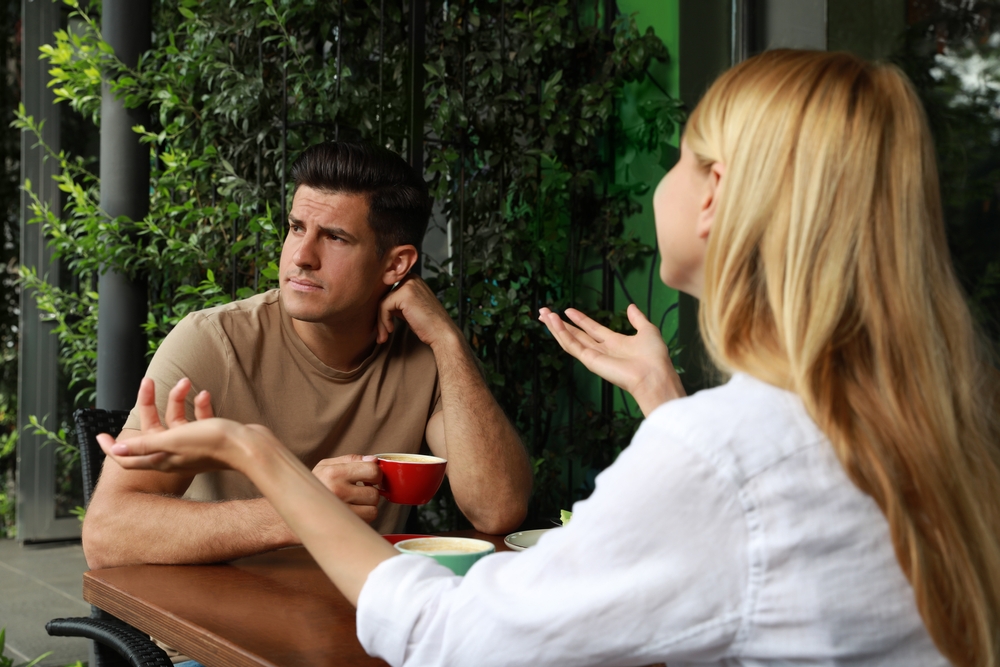
The Signs People Are Being Floodlighted
Relationship experts say floodlighting usually follows recognizable patterns, especially during early dating interactions where emotional boundaries are still forming. While every emotionally open conversation is not automatically toxic, certain behaviors tend to separate healthy vulnerability from emotional overload.
Some common signs include:
- Sharing deeply personal trauma very early after meeting
- Turning casual conversations intensely emotional almost immediately
- Closely watching reactions for reassurance or validation
- Dominating the emotional tone of the interaction
- Expecting rapid emotional closeness before trust develops
- Using painful experiences to test whether someone will stay
Many singles say the experience can feel emotionally draining because it shifts the interaction away from natural connection and toward emotional management. Instead of learning basic things about each other, one person suddenly becomes responsible for handling complicated emotional disclosures that would normally emerge over time.
Experts also point out that floodlighting often creates one-sided emotional exchanges. One person may reveal highly personal experiences while the other feels pressured to respond with equally vulnerable disclosures. That can create artificial closeness very quickly, even though genuine trust and compatibility have not yet been established.

Why The Trend Is Exploding On Social Media
Part of the reason floodlighting has gained traction online is that dating culture has changed dramatically over the past decade. Social media rewards emotional transparency, therapy language has entered everyday conversations, and many younger adults have become far more comfortable discussing trauma and mental health openly.
That openness has clear benefits. Conversations around emotional health are far less stigmatized than they once were, and many people value honesty in relationships. At the same time, some therapists believe social media has blurred the line between healthy vulnerability and emotionally overwhelming behavior. Sharing painful experiences publicly or immediately can sometimes feel normalized, especially on platforms where trauma-centered storytelling often receives attention and validation.
Dating apps may also contribute to the problem by creating a sense of urgency around emotional compatibility. Many singles feel pressure to determine quickly whether someone is emotionally available, trustworthy, and capable of handling serious conversations. That pressure can push people into skipping the gradual process of getting to know each other naturally.
The result is a dating environment where emotional intensity is often mistaken for emotional connection. Some people leave dates believing they formed a deep bond simply because the conversation became emotionally heavy very quickly. Experts warn those are not necessarily the same thing.
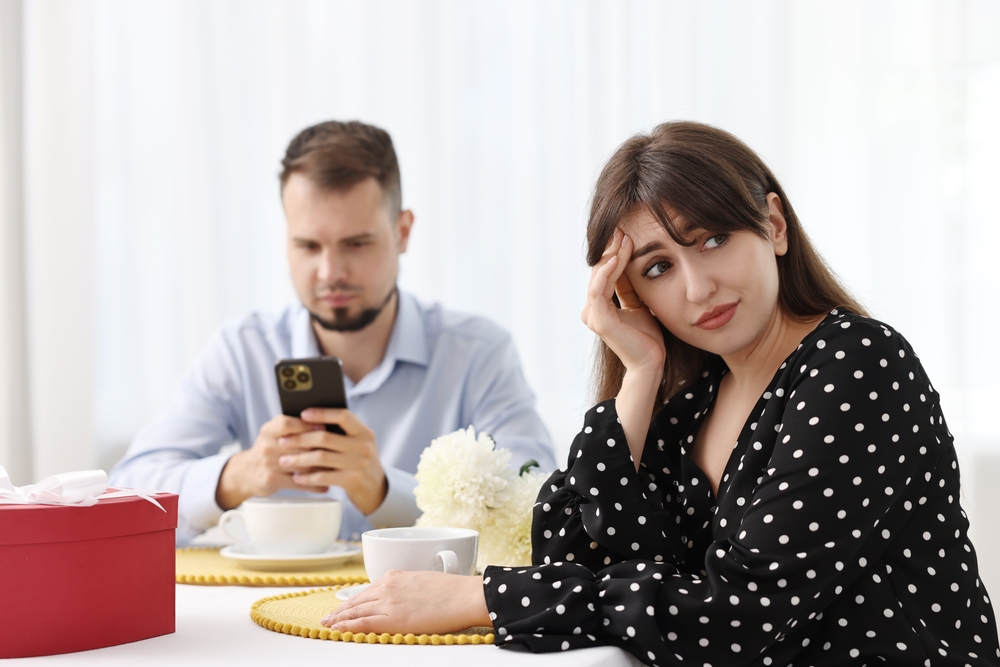
Some People Do Not Realize They Are Doing It
One reason floodlighting conversations have become so widespread is that many people genuinely do not recognize the behavior in themselves. Oversharing can feel normal, especially for people who have spent years discussing trauma in therapy, online spaces, or close friendships.
For some individuals, revealing painful experiences early feels like honesty and transparency. Others use it as a way to avoid future rejection. If they expose their insecurities immediately, they can quickly find out whether someone is willing to accept them fully. That strategy may provide temporary relief, but experts say it can sabotage relationships before they have a chance to develop naturally.
There is also a major difference between mutual vulnerability and emotional unloading. Healthy vulnerability tends to unfold gradually through balanced conversations, shared experiences, and growing trust. Floodlighting often bypasses that process completely, creating emotional pressure before safety and stability exist between two people.
Relationship experts say slowing down emotional intimacy does not mean becoming emotionally unavailable or guarded. It simply means allowing trust to develop at a pace where both people feel comfortable instead of emotionally overwhelmed.

Why Singles Are Growing Tired Of Hyper-Intense Dating
Many singles say modern dating already feels emotionally exhausting without adding immediate trauma disclosures into the mix. Conversations that begin with genuine curiosity can quickly become emotionally heavy, leaving people feeling more drained than connected.
Some daters now say they actively avoid people who push emotional intimacy too quickly because the pattern often creates unstable relationship dynamics. Intense emotional bonding at the beginning can sometimes disappear just as quickly once reality sets in and genuine compatibility issues surface.
At the same time, floodlighting reflects something larger happening in modern relationships. People are craving emotional connection, reassurance, and authenticity more than ever, but many are struggling to build those things gradually. Instead, emotional closeness is often rushed in an attempt to avoid uncertainty, rejection, or emotional risk.
That urgency may explain why the term has resonated so strongly online. Plenty of singles have walked away from dates feeling less like they met a potential partner and more like they accidentally signed up for an emergency counseling session.
Brené Brown, dating app trends, dating behavior, dating culture, Dating red flags, emotional intimacy, emotional manipulation, first date red flags, floodlighting, Jessica Alderson, modern dating, online dating, oversharing, relationship advice, relationship experts, relationship psychology, toxic dating trends, toxic relationships, trauma dumping, viral dating trend