
Your cart is currently empty!
History Teacher Goes Viral After Calling Modern Education A ‘Game’
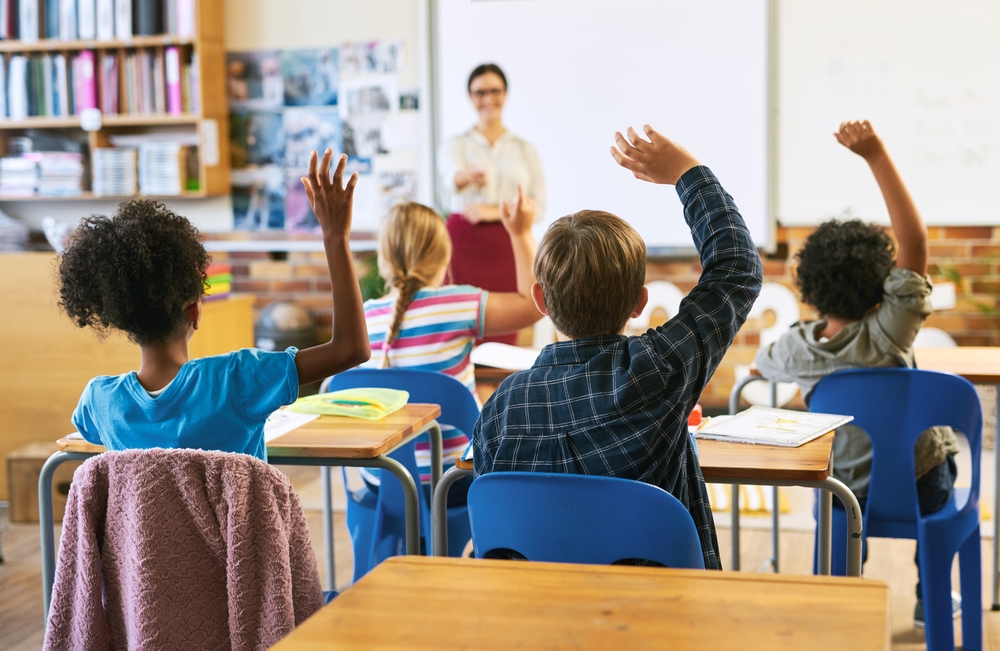
A history teacher has gone viral after criticizing what he believes is happening inside modern classrooms, arguing that schools are replacing critical thinking with short-form entertainment designed to keep students constantly stimulated. Jonathan Buchwalter, who posts on TikTok as @jonstertruck, sparked a major debate online after claiming education has slowly shifted away from difficult reading, writing, and analysis in favor of apps, rewards systems, simplified lessons, and classroom strategies built around keeping students engaged at all costs. His comments immediately connected with teachers, parents, and students who say classrooms no longer challenge kids the way they once did.
Contents
show
Buchwalter says the problem is bigger than technology itself. He believes schools have started treating students as if they are incapable of handling difficult material, leading educators to lower expectations instead of helping students build stronger focus and deeper learning habits. While many schools adopted gamified systems to improve participation and motivation, Buchwalter argues the result has been students becoming better at completing tasks rather than understanding information. His classroom, which relies heavily on paper, pencil, reading, and writing, has unexpectedly become one of the most requested classes in his school because students say they actually want to be challenged.
The Teacher Says Schools Are Turning Learning Into Entertainment
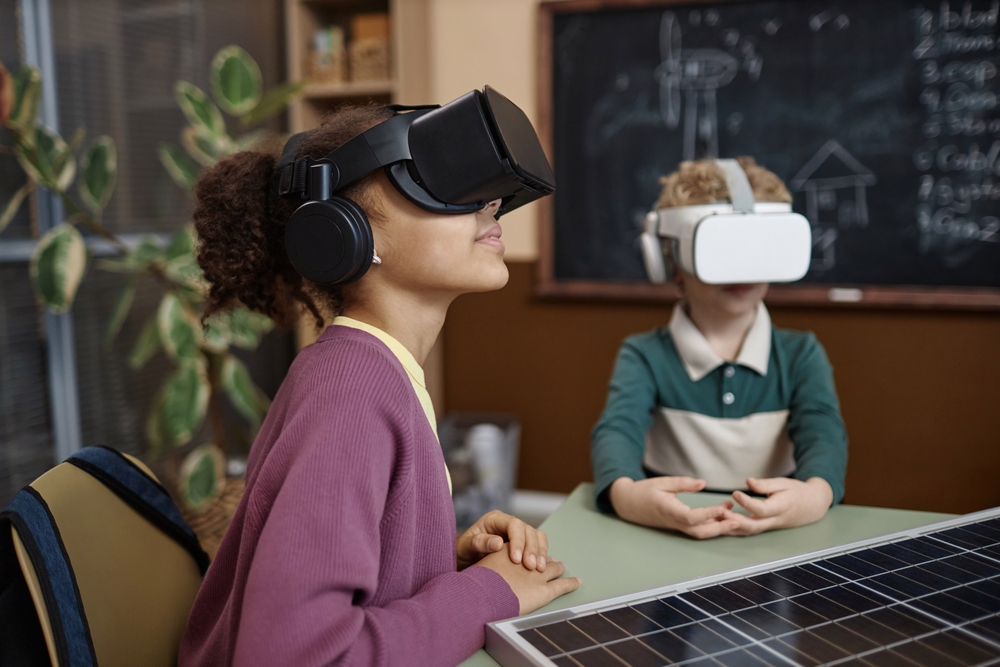
In his viral TikTok video, Buchwalter explained how education has steadily moved toward what he calls the “gamification” of learning. He pointed to the growing use of classroom apps, reward systems, simplified reading assignments, and constant support structures that reduce friction whenever students encounter difficult work. He believes schools are becoming too focused on making lessons feel easy and enjoyable instead of helping students develop the ability to wrestle with challenging ideas.
“There has been this odd shift away from the academic skills that make someone a critical thinker and toward short-form content in the classroom. Whether it’s smaller and smaller articles, more and more scaffolding, or supports for students whenever they do any kind of complex task… Layers and layers of apps that all make a game out of the learning,” Buchwalter said in the video.
His comments quickly spread across social media because many teachers admitted they were seeing the same thing happen in their own classrooms. Some educators said students now struggle to finish long reading assignments, stay focused during discussions, or complete work without needing constant stimulation. Others argued schools are unintentionally training students to expect entertainment every moment of the day, making traditional learning feel uncomfortable or even unbearable.
The debate arrives at a time when schools are under growing pressure to improve student engagement rates. Many districts have increasingly turned toward gamified learning systems because they appear to hold students’ attention more effectively than traditional teaching methods. Critics, however, say keeping students busy is not the same thing as helping them deeply understand material.
Students Are Reportedly Begging To Join His Classroom
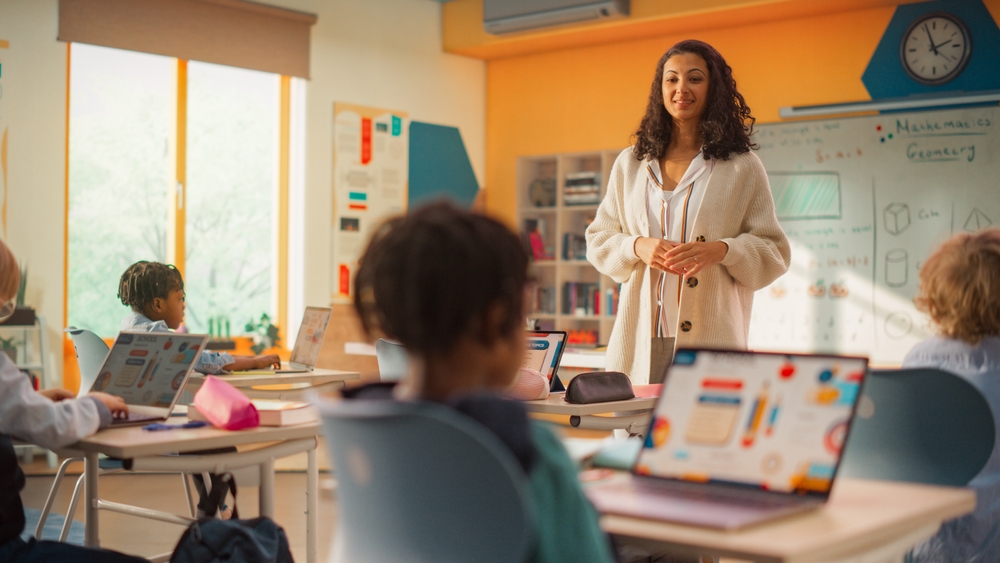
One of the biggest surprises in Buchwalter’s argument is that students are actively requesting placement in his class despite its reputation for being more demanding. He says students regularly go to counselors asking to transfer into his history courses because they recognize they are being treated differently there. Instead of lowering standards, he expects students to rise to them.
“The reason that I’ve got a line of students every year that go to the counselors and beg them to be put in my history class isn’t because I’m the best teacher ever. It’s because I treat them like adults and they know that,” he explained.
Buchwalter says many students initially struggle when entering his classroom because they have spent years adapting to shorter assignments, simplified material, and learning systems built around quick rewards. He believes students have become conditioned to expect constant stimulation and immediate feedback, which makes slower and more demanding academic work feel frustrating at first.
“Most of my kids are sixteen or seventeen. They’ve been sort of indoctrinated into the gamefication of learning. And so those first few weeks of my class are really tough for a lot of my students. Because they’re used to the short form [of] everything and games, and I’m not giving them that,” he said.
Despite the difficult adjustment period, Buchwalter says many students eventually adapt and begin performing well once they understand his expectations. He argues teenagers are far more capable than schools often assume and that many actually crave structure, discipline, and intellectual challenge.

Research Shows Mixed Results Around Gamified Learning
The conversation around gamification has become increasingly controversial because research on the subject has produced mixed findings. Some studies suggest gamified systems can improve student engagement and motivation, while others warn that increased participation does not always translate into stronger understanding or long-term learning outcomes.
A 2024 study published in Frontiers found that gamification was frequently used to improve attention and self-regulation among students who struggle with focus and classroom engagement. Schools facing rising levels of student disengagement have increasingly leaned on these systems in hopes of making learning feel more interactive and rewarding.
At the same time, a 2025 study published in Nature reported declines in critical thinking, knowledge transfer, and deeper understanding among students. Researchers raised concerns that students may be learning how to successfully complete assignments without fully mastering concepts or developing the ability to independently analyze information.
Another 2024 study published by MDPI compared traditional teaching methods with gamified classrooms and found a major distinction between participation and mastery. While gamified learning improved engagement levels, traditional learning methods continued to provide stronger foundations for long-term academic performance and a deeper understanding of material.
Teachers Say Students Are Losing Important Skills
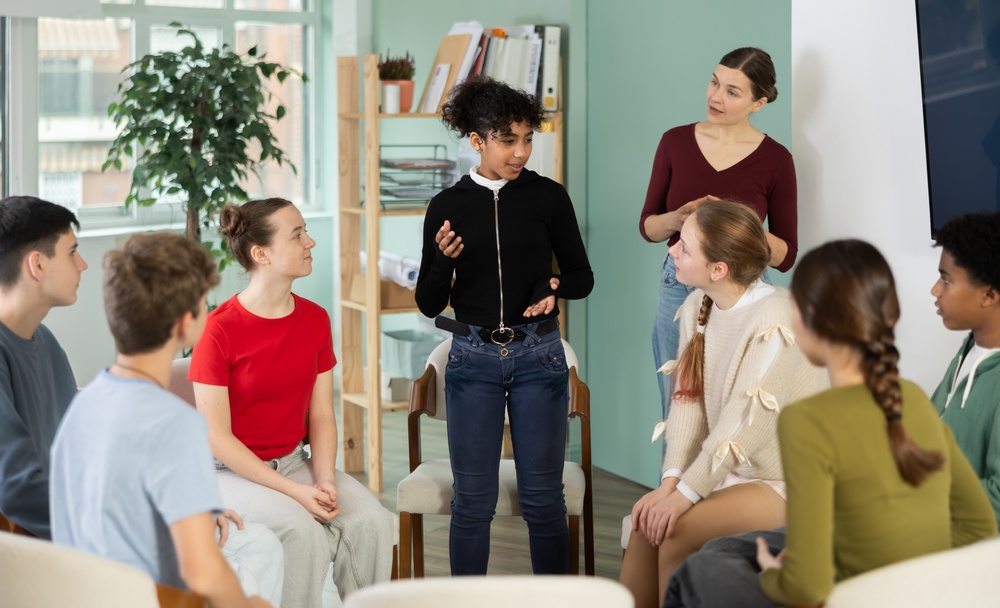
Many of the strongest reactions to Buchwalter’s video came from teachers who said they were already seeing the effects inside classrooms and colleges. Several educators described students struggling to complete longer assignments, read full books, or maintain focus on difficult material for extended periods of time.
One community college English professor commented, “Most of my students have never read a book cover to cover before my class.”
Another teacher wrote, “Me, a 12th grade literature teacher, BEGGING my district to let me keep teaching full novels and not just tiny pieces of them.”
Others argued that struggle itself is an important part of learning because difficult tasks force students to build focus, discipline, and problem-solving skills. “Productive struggle is so important for learning!” one commenter wrote, while another added, “We are in school to learn, not play games.”
The reactions highlighted growing frustration among educators who believe schools are becoming too focused on keeping students comfortable instead of preparing them for the realities of college, work, and adulthood. Many argued students are capable of handling difficult material if schools stop assuming they cannot.

Buchwalter Says Students Can Handle More Than Schools Think
Buchwalter strongly rejected the idea that modern students are incapable of focusing on difficult work or meeting higher standards. He argued schools have gradually built a false narrative that teenagers cannot process longer readings, harder assignments, or deeper analysis without turning everything into entertainment.
“The mythos built around it is that the kids can’t focus on the harder stuff, the more challenging stuff. And so we have to gamify to meet them where they are. But what I found because we do so much old school paper and pencil, reading and writing in my class. They can do it. They can. And they tend to do pretty well on it after a few weeks of friction. That once they learn what my expectations are, and they learn how to meet them, and they learn that my standard doesn’t move, they can meet my high standard. These kids are smart. These kids are sharp.”
His comments resonated with many viewers because they pushed back against the growing belief that attention spans have permanently collapsed. Instead of arguing students are incapable, Buchwalter believes many teenagers simply have not been asked to persist through difficult academic work long enough to rebuild those skills.
The larger debate surrounding his video continues to grow because it touches on a much bigger question facing modern education systems. Schools may be getting better at keeping students engaged, but many teachers are now asking whether students are actually leaving classrooms with stronger critical thinking skills, deeper knowledge, and the ability to independently process information.
For many viewers, that question felt far more important than test scores, apps, or classroom trends.
academic performance, classroom debate, critical thinking, critical thinking skills, education system, gamification of education, history teacher, Jonathan Buchwalter, learning apps, modern classrooms, school trends, student engagement, student learning, Tags: education, teachertok, teaching methods, TikTok teacher, traditional education, viral education debate, Viral TikTok