
Your cart is currently empty!
A Dutch Birdwatcher Visited a Landfill at the End of the World. It Triggered a Deadly Cruise Ship Outbreak.
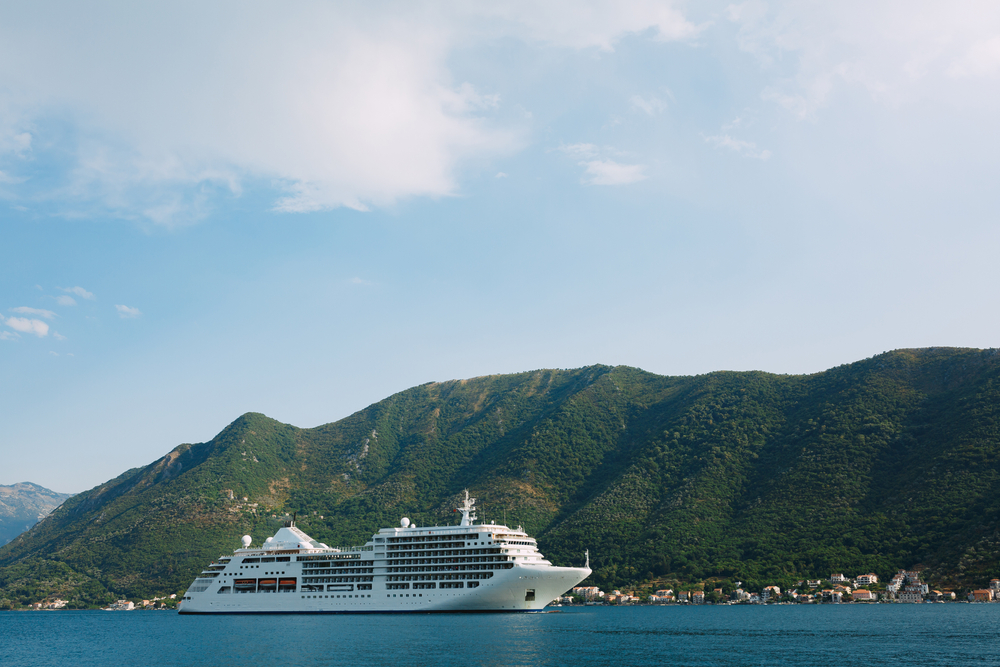
At the southern edge of Argentina, where the continent runs out of land and the ocean takes over, there is a landfill that locals avoid and birdwatchers seek out. Surrounded by wind-battered waste and the particular smell of refuse left to accumulate beyond its original limits, it sits four miles outside Ushuaia. This city has long marketed itself as the southernmost in the world. Residents give it a wide berth. Visitors with binoculars and field guides make special trips to reach it. Somewhere in that contradiction lies the beginning of a story that ended on a cruise ship in the middle of the Atlantic, with a virus that health authorities are still working to contain.
Contents
show
What investigators pieced together in the weeks that followed would point back to a Dutch couple in their late sixties, a shared passion for birds that had taken them across the world, and a single afternoon at a garbage dump that neither of them could have known would cost them everything.
A Life Built Around Birds
Leo Schilperoord, 70, was an ornithologist from Haulerwijk, a small village of roughly 3,000 people in the Netherlands. He and his wife, Mirjam Schilperoord, 69, had spent decades building a life around birdwatching, field research, and the particular joy of traveling to places where rare species could be found and documented. They co-authored a study on pink-footed geese published in the Dutch ornithological magazine Het Vogeljaar in 1984, and their expeditions took them across continents and decades.
In 2013, they traveled to Sri Lanka on a private 12-day birdwatching and wildlife tour that they described afterward as unforgettable, a trip during which they spotted the Serendib Scops Owl, one of the island’s rarest and most elusive birds. Their names were not widely known outside ornithological circles in the Netherlands. They became known to a far larger audience through the obituaries published in the April issue of Haulerwijk’s monthly village magazine, in which friends and neighbors tried to find words for the loss of two people who had seemed inseparable from each other and from the world they moved through together. “Like birds in flight,” one of those obituaries read. “We will miss you and the stories.”
Five Months in South America
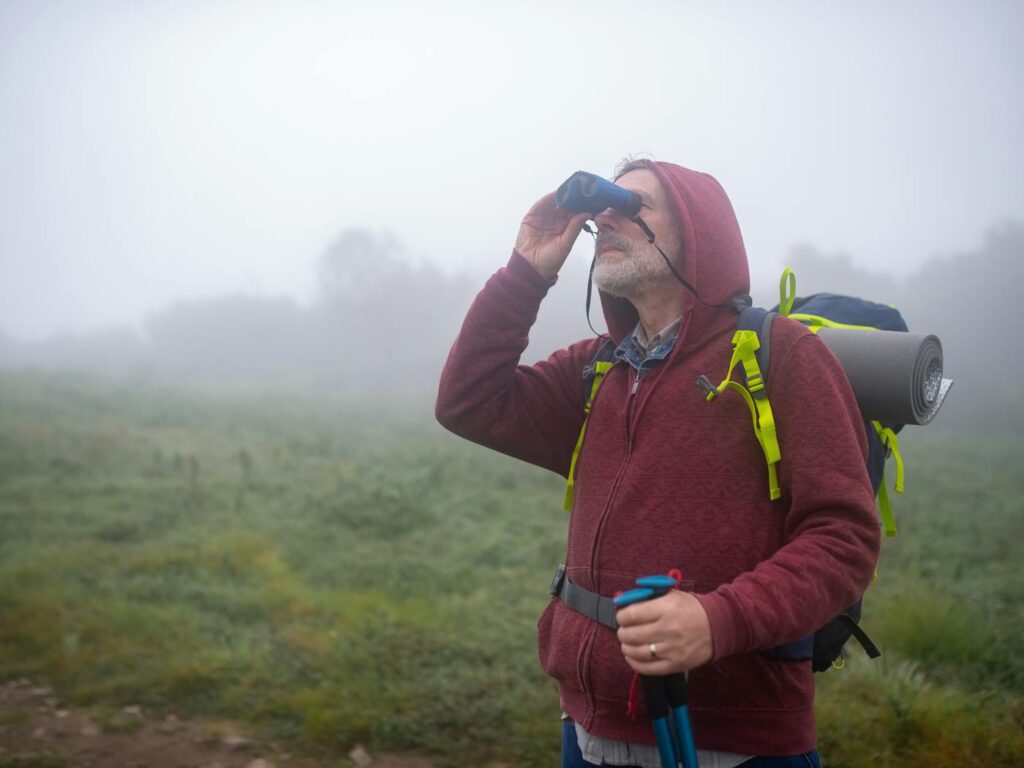
The Schilperoords arrived in Argentina on November 27 and began a five-month journey through South America that took them through Chile, Uruguay, and back again. It was the kind of extended trip that people who love birds and landscapes plan carefully, with stops chosen for what might be seen and heard rather than for comfort or convenience.
By late March, they were back in Argentina, and on March 27, they made their way to the landfill on the outskirts of Ushuaia. The site is not a destination that appears in typical tourist guides. It is, by any objective description, a mountain of waste that has long outgrown the boundaries originally set for it. But for birdwatchers, it serves a different purpose. Among the refuse, birds that would be difficult to find elsewhere become accessible, including the white-throated caracara, known as Darwin’s caracara after Charles Darwin, who was the first to collect a specimen. Gastón Bretti, a photographer and local guide, described the logic plainly. “It is common for birdwatchers to visit landfills because there are many birds there.”
For the Schilperoords, the landfill was a predictable stop on a birdwatching itinerary in one of the world’s most remote and wildlife-rich regions. Four days later, on April 1, they boarded the MV Hondius in Ushuaia alongside 112 other passengers, many of them scientists and birdwatchers drawn to the same corner of the world for similar reasons.
What the Waste May Have Carried
Argentinian authorities developed a theory about what happened at the landfill that afternoon, and it centers on something invisible to any birdwatcher scanning the skies for caracaras. Long-tailed pygmy rice rats, which inhabit the region, carry a strain of hantavirus known as the Andes strain, transmissible through contact with or inhalation of particles from infected rodent droppings. In a landfill environment, where waste creates ideal conditions for rodent populations and where visitors move through areas of concentrated contamination, exposure can occur without any direct contact with an animal.
The Andes strain carries a particular distinction among the many variants of hantavirus: it is the only one known to transmit from person to person, making it significantly more alarming from a public health perspective than other forms of the disease. The World Health Organization estimates its mortality rate at up to 40 percent. It is found almost exclusively in Argentina and Chile.
The WHO’s estimated incubation period for the virus runs from one to eight weeks, which creates a wide window of uncertainty around when and where the Schilperoords may have been exposed. Chilean and Uruguayan authorities reviewed the couple’s movements and ruled out exposure in their countries. Argentine officials pointed to the landfill as their leading hypothesis, though some suggested the exposure may have occurred weeks earlier in northern Patagonian provinces such as Chubut, Neuquén, or Río Negro, where 101 cases of hantavirus, including 32 deaths, had been confirmed in the preceding months.
The Outbreak at Sea
On April 6, five days into the voyage, Leo reported fever, headache, stomach pain, and diarrhea. His condition deteriorated over the following days, and he died at sea on April 11. His body remained on board the MV Hondius until the ship docked at the Atlantic island of Saint Helena on April 24. During that period, footage captured by a Turkish travel blogger showed the ship’s captain telling passengers that the patient had died of what he believed were natural causes and that the illness was not infectious, a characterization that proved catastrophically incorrect.
Mirjam accompanied her husband’s body when she disembarked at Saint Helena and flew onward to Johannesburg, South Africa, where she was booked on a KLM flight to Amsterdam. She boarded briefly but was removed from the aircraft after crew members found her too ill to fly. She collapsed at the airport and died the following day, April 26. A third passenger, a German national, also died. Total confirmed cases linked to the outbreak rose to six, including three British nationals.
The spread extended beyond the ship itself. A French national who had not been aboard the MV Hondius contracted the virus after sharing a flight with an infected passenger, marking the first confirmed case in someone with no direct connection to the cruise. A Dutch flight attendant was hospitalized in Amsterdam with suspected hantavirus after contact with Mirjam, but later tested negative. At least seven Americans who had shared a connecting flight were back in the United States.
A City Under Scrutiny
The identification of Ushuaia as the possible origin of the outbreak placed the city in an uncomfortable position. Tourism is a foundational part of Tierra del Fuego’s economy, with more than 95% of Antarctica-bound cruises departing from its port and over 500 port calls recorded annually. Local health officials pushed back firmly against the suggestion that their province was responsible.
Juan Facundo Petrina, the province’s Director General of Epidemiology and Environmental Health, stated clearly that Tierra del Fuego had no history of hantavirus cases since mandatory reporting began in 1996 and that the region lacked both the correct subspecies of carrier rodent and the climatic conditions necessary for the virus to be present. He argued that the island’s geography, separated from the mainland by the Strait of Magellan, provided an additional barrier against rodent migration.
Argentina’s national government announced it was dispatching a team of experts to the landfill to trap and test rats for the virus, but when the BBC visited the site, dozens of birds were circling the waste piles, and no active investigation was underway. Epidemiologist Eduardo López, head of the Department of Medicine and Infectious Diseases at the Ricardo Gutiérrez Children’s Hospital in Buenos Aires, acknowledged the situation required further study, noting that the long-tailed pygmy rice rat’s habitat range had been expanding and could no longer be assumed to stop at its historical boundaries.
Tourists at Ushuaia’s port reported proceeding with their plans after finding the city calm and free of confirmed local cases. The absence of sick people in the province was cited repeatedly by both officials and visitors as reassuring, even as the question of where exactly the Schilperoords were exposed remained officially unresolved.
The Response and the Remaining Questions
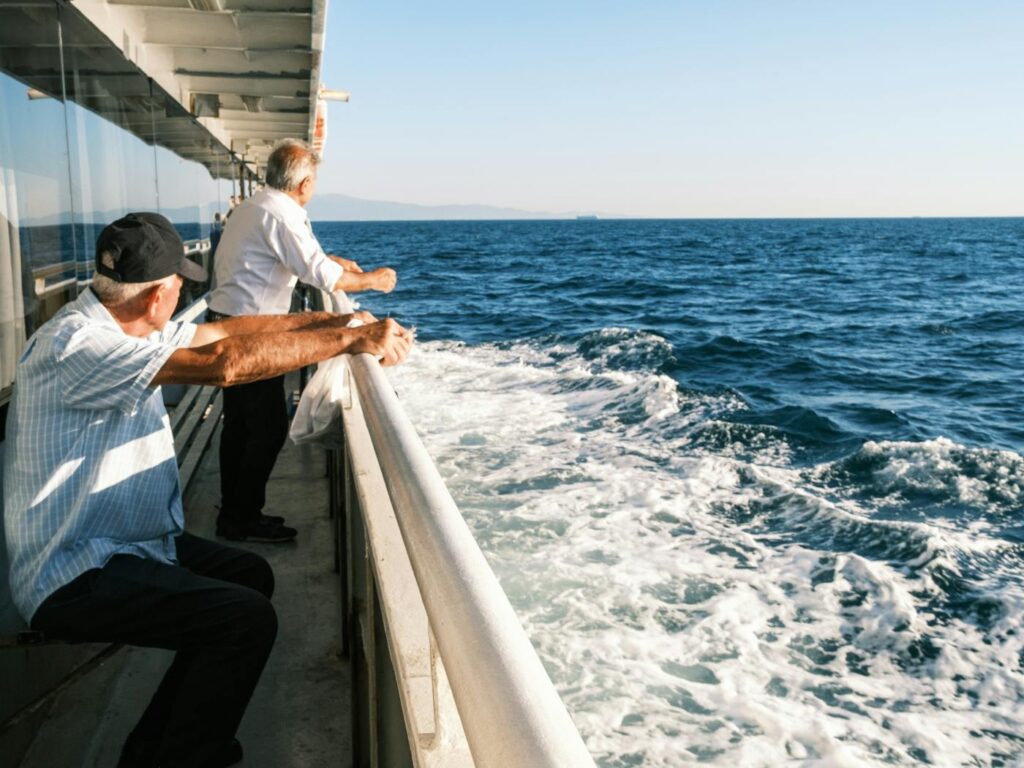
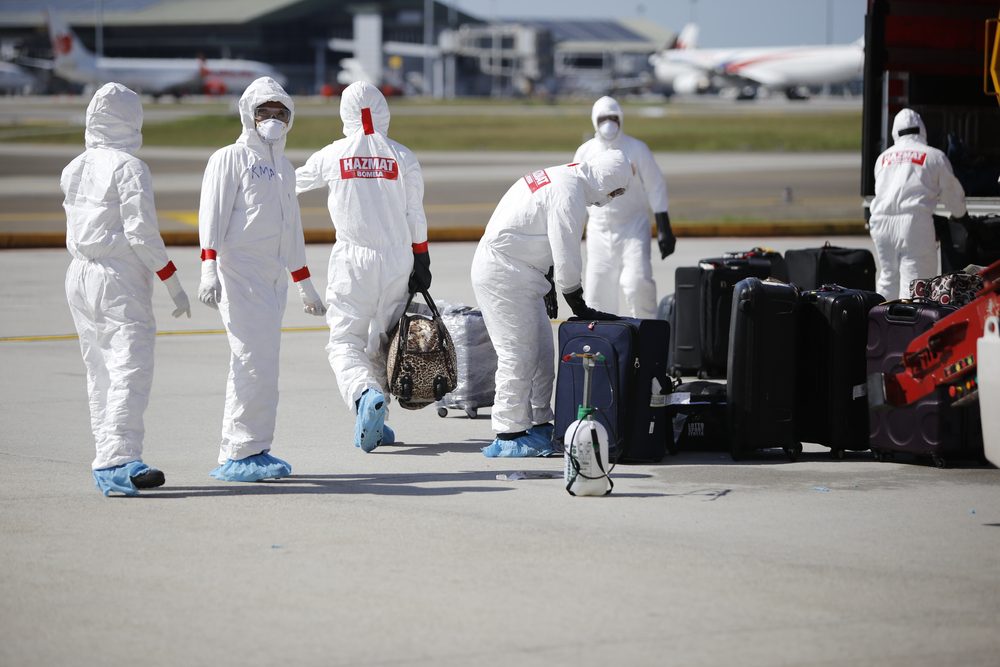
The MV Hondius made its way to Tenerife in Spain’s Canary Islands, where passengers were evacuated and flown home by their respective governments. The United Kingdom, the United States, Germany, France, Belgium, Ireland, and the Netherlands all sent planes to collect their nationals. British passengers and crew were transported to Arrowe Park Hospital on the Wirral, a facility previously used for repatriations during the early stages of the COVID-19 pandemic in 2020. Given the eight-week incubation window, experts warned that a quarantine period of up to two months might be necessary for those exposed.
Without the Schilperoords available to fill in the precise details of their movements, and with border records offering only a partial reconstruction of a five-month journey across three countries, investigators were left working backward from an outbreak that had already spread across multiple continents before it was recognized for what it was.
What remains documented, and what the Haulerwijk village magazine preserved before any of the questions had been asked, is the story of two people who spent their lives looking upward at birds and outward at the world, who traveled as far as the land would take them in search of species that most people will never see, and who carried that passion to the very end of everything.
Andes strain hantavirus, cruise ship disease outbreak, cruise ship virus outbreak 2025, Darwin’s caracara birdwatching, Dutch ornithologist hantavirus, hantavirus cruise ship outbreak, hantavirus human transmission, hantavirus South America, hantavirus symptoms mortality, Leo Schilperoord patient zero, long-tailed pygmy rice rat, Mirjam Schilperoord, MV Hondius hantavirus, Tierra del Fuego outbreak, Ushuaia landfill hantavirus