
Your cart is currently empty!
The Great AI Data Center Revolt Is Spreading Across America
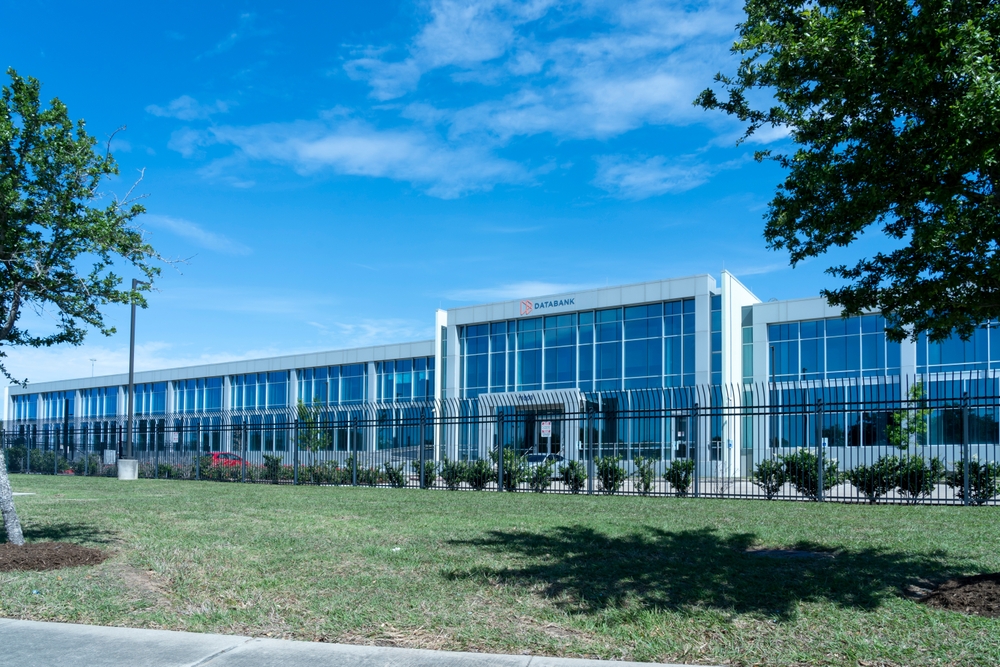
A year ago, only a handful of towns across America were trying to stop giant AI data centers from moving into their neighborhoods. Now the resistance has exploded into a nationwide movement that is slowing down one of the most aggressive technology expansions in modern history. Communities that once welcomed large industrial projects are suddenly drawing hard lines against facilities tied to artificial intelligence, with local leaders warning about rising utility bills, massive water consumption, and infrastructure strain that many residents say they never agreed to absorb.
Contents
show
The numbers behind the backlash are staggering. By May 2025, towns and counties across the United States had received only eight moratorium requests tied to AI infrastructure projects. Just one year later, that number had surged to 78 restrictions nationwide, with 69 jurisdictions officially blocking or restricting new construction. Some communities approved temporary pauses while others moved toward permanent bans. What Silicon Valley expected to be a smooth nationwide buildout has turned into a growing political and environmental fight that now stretches from small rural counties to state governments.

Communities Are Turning Against AI Infrastructure
The sudden backlash reflects a major shift in how Americans view the physical systems powering artificial intelligence. For years, tech companies promoted AI as a digital revolution happening somewhere far away in the cloud. But residents living near proposed construction sites are now realizing those systems depend on massive industrial facilities that consume extraordinary amounts of electricity, water, and land.
Many local governments say they were caught off guard by the sheer scale of the projects being proposed. Some AI facilities now stretch across hundreds of acres and require constant cooling systems operating around the clock. Residents in several states have argued that communities are being asked to sacrifice local resources so technology companies can expand products like ChatGPT,Gemini, and other AI systems.
Public frustration has intensified as electricity costs continue climbing across the country. Utility providers are spending billions upgrading infrastructure to support future AI demand, and many consumers believe those costs are quietly being pushed onto ordinary households already struggling with inflation and rising living expenses.
According to multiple public hearings and survey data tied to proposed projects, around 65% of Americans oppose large data centers being built near residential neighborhoods. That opposition has become powerful enough to force politicians, county boards, and city councils to reconsider agreements that once seemed guaranteed to pass.

AI Data Centers Consume Enormous Resources
One of the biggest concerns driving the revolt is the sheer amount of water and electricity required to operate AI infrastructure. Modern hyperscale facilities generate huge amounts of heat because thousands of servers run nonstop inside giant warehouses packed with computing hardware. Keeping those systems cool requires enormous industrial cooling operations.
Some facilities consume as much as five million gallons of water every single day. In drought-prone regions or areas already facing pressure on local water systems, residents say those numbers are impossible to ignore. Critics argue that communities are being forced to choose between preserving local resources and supporting technology companies worth trillions of dollars.
Electricity demand has become another major flashpoint. In Minnesota, 13 proposed data centers would require enough power to match the energy use of all 2.3 million homes statewide. Local residents and energy analysts have warned that such growth could place long-term pressure on regional electrical grids while driving future rate increases.
The economic burden has fueled even more anger. Electricity bills linked to infrastructure upgrades have reportedly surged by 267% over five years in some areas. Many households now believe they are indirectly helping fund the AI race while paying more each month just to keep their own lights on.

Residents Say They Are Paying The Price
Communities opposing these projects often point to a growing imbalance between corporate profits and local consequences. While technology companies promise tax revenue and economic growth, critics argue that many facilities create relatively few permanent jobs once construction is complete.
Residents in multiple states have questioned whether short-term financial incentives are worth long-term environmental strain. Water usage, noise from cooling systems, land development, and rising utility costs have all become recurring complaints during town hall meetings and zoning battles.
Local organizers have also argued that many projects move forward before residents fully understand their scale. Several communities said they only realized how massive the proposed facilities were after construction plans had already advanced through early approval stages.
That growing distrust has transformed local hearings into emotionally charged confrontations between residents, developers, and elected officials.

Some Towns Have Responded With Permanent Bans
The resistance movement has already reshaped local politics in several parts of the country. In one Missouri town, voters removed the entire city council after officials approved a proposed $6 billion AI data center project. Residents accused leaders of ignoring concerns about infrastructure strain and environmental impact while prioritizing corporate development.
Other incidents have become even more alarming. In Indiana, authorities investigated an incident in which someone reportedly fired shots at a politician’s home and left behind a note reading “NO DATA CENTERS.” Officials condemned the attack, but the incident highlighted how emotionally intense the issue has become in some communities.
Several jurisdictions are no longer treating the situation as a temporary planning dispute. At least four municipalities have already approved permanent bans blocking future data center construction entirely. Those decisions reflect a growing belief that AI infrastructure poses long-term risks many communities do not want to absorb.
Harford County Executive Bob Cassilly announced legislation aimed at permanently prohibiting new projects in the Maryland county. Cassilly said his county was “not interested in becoming a regional hub for data center development.” That statement marked a dramatic shift from the aggressive tech recruitment strategies many local governments embraced only a few years ago.

Maine Could Become The First State To Crack Down
The fight over AI infrastructure is no longer limited to individual towns and counties. Maine is now positioned to become the first state in America to implement broad restrictions targeting large-scale data center growth.
State lawmakers are considering measures that would pause approvals for facilities requiring more than 20 megawatts of electricity until October 2027. Supporters argue the pause would give regulators time to study environmental consequences, grid stability concerns, and long-term impacts on ratepayers.
Industry leaders fear the move could trigger a domino effect nationwide. Anirban Basu, chief economist for Associated Builders and Contractors, warned that “Maine will be the first of many states to implement such moratoriums.” His prediction reflects growing concern inside the construction and technology sectors that local opposition is spreading faster than expected.
For companies racing to dominate artificial intelligence, delays carry major consequences. Google, Microsoft, Meta, and Amazon are all competing to build the infrastructure needed to support increasingly advanced AI systems. Restrictions on land use and power access threaten to slow those plans significantly.

The AI Arms Race Is Hitting Real-World Limits
Until recently, most concerns around AI expansion focused on hardware shortages, advanced chips, and software competition. Now companies are discovering that local communities may become one of the biggest obstacles to future growth.
AI systems require enormous facilities packed with servers, cooling equipment, transformers, and backup power systems. Without zoning approvals and utility agreements, projects can stall for years or collapse entirely.
Some companies are already exploring alternatives, including shifting projects into sparsely populated regions or building more infrastructure overseas. Others are attempting to negotiate community agreements that promise investments, tax revenue, and infrastructure improvements in exchange for local support.
So far, many residents remain deeply skeptical about whether those promises outweigh the environmental and financial costs.
Federal Politicians Are Starting To Intervene
The growing conflict has now reached Washington as politicians from both parties begin responding to public concerns. Senator Bernie Sanders and Representative Alexandria Ocasio-Cortez introduced legislation aimed at addressing energy demand and large-scale data center construction tied to artificial intelligence.
Their proposals focus heavily on protecting consumers from future utility increases linked to AI expansion. The issue has become politically sensitive because residents can directly see the local impact of these facilities through construction, energy usage, and higher monthly bills.
President Donald Trump has also reportedly pushed technology executives to make “ratepayer protection pledges” connected to future development projects. The unusual bipartisan attention surrounding the issue reflects how quickly data center expansion has evolved into a national political fight.
Supporters of AI infrastructure continue arguing that data centers bring jobs, tax revenue, and long-term economic growth. Construction unions and business organizations often support projects because of the billions of dollars flowing into local economies during development.
Critics argue the benefits are frequently overstated while the environmental costs remain permanent. That divide is becoming sharper as artificial intelligence systems require even larger facilities and greater energy demands.
AI arms race, AI backlash, AI boom, AI data centers, AI expansion, AI Infrastructure, artificial intelligence, Big Tech, ChatGPT, community resistance, data center bans, data center moratoriums, electricity bills, energy demand, environmental concerns, environmental impact, Google AI, infrastructure crisis, local communities, Meta AI, Microsoft AI, OpenAI, Silicon Valley, tech industry, Technology News, trending news, US Politics, utility costs, viral news, water shortages